Search News
Industry Portal
Popular Tags
Plastic Machinery Maintenance Issues That Cut Output
Author
Time
Click Count
Plastic Machinery Maintenance Issues That Cut Output
Plastic machinery downtime rarely begins with a dramatic breakdown. More often, output falls because small maintenance errors stack up over days or weeks.
A heater drifts a few degrees. A guide rail runs dry. A worn screw is left in service. Then cycle time stretches, scrap rises, and line stability disappears.
In plastic machinery service work, the fastest wins usually come from fixing basics with discipline. That means checking lubrication, temperature control, alignment, wear, cooling, and calibration before chasing rare failures.
This matters across the wider industrial landscape too. G-CST’s benchmarking focus on motion systems, pump and valve reliability, industrial software, and advanced materials shows the same pattern: output depends on stable fundamentals.

The points below focus on the maintenance issues that most often cut plastic machinery output, and what to do first when production starts slipping.
The problems that usually reduce output first
- Lubrication failures increase friction, heat, and motor load. Check grease type, oil level, delivery path, and relubrication interval before investigating larger plastic machinery performance losses.
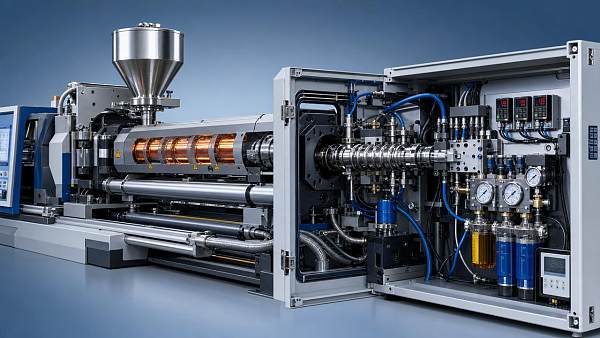
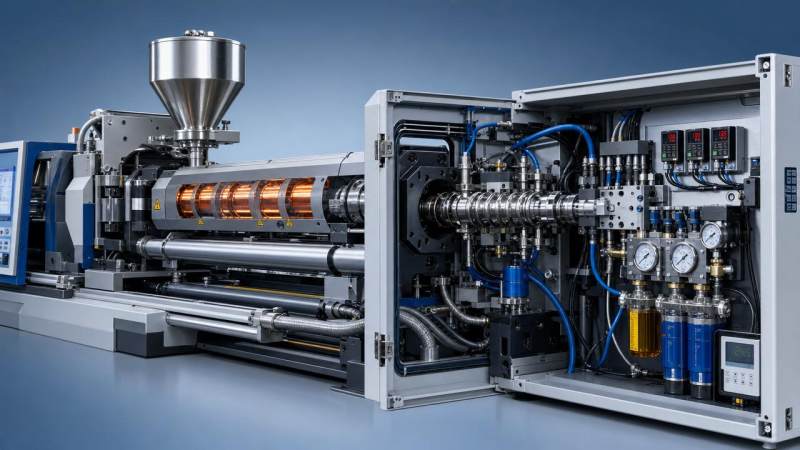
- Heater band looseness or sensor drift causes unstable melt temperature. Verify clamp pressure, thermocouple seating, and controller response to restore repeatable cycle performance.
- Worn screws, barrels, seals, or check rings reduce output quietly. Compare actual throughput, back pressure behavior, and melt consistency against earlier service records.
- Cooling circuit fouling slows solidification and extends cycle time. Inspect water flow, scale buildup, blocked channels, and temperature difference across each cooling zone.
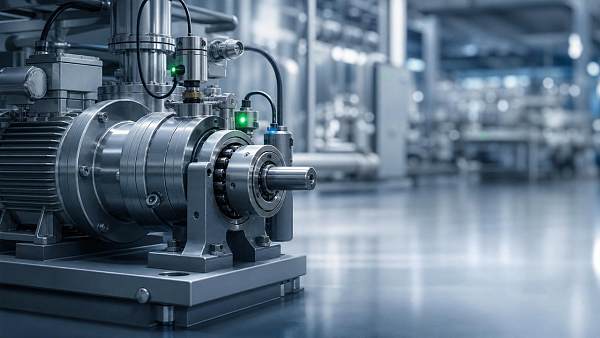
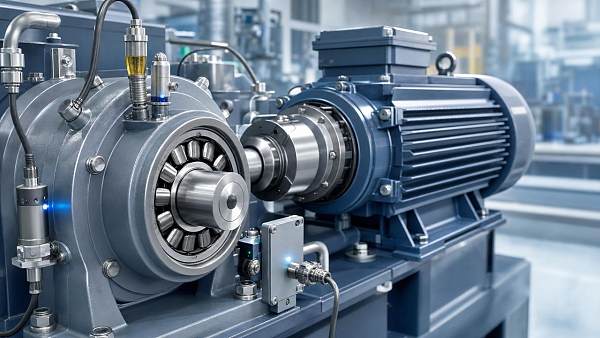
- Misalignment in guides, couplings, and bearings creates vibration and repeat faults. Measure runout, inspect mounting bolts, and correct shaft position before replacing healthy components.
- Hydraulic pressure instability can mimic electrical problems. Check filter condition, valve response, internal leakage, and oil cleanliness before adjusting process settings.
- Dirty sensors and loose connectors lead to false alarms and unstable control. Clean signal points, secure wiring, and trend intermittent faults rather than resetting repeatedly.
- Poor calibration of speed, pressure, or position loops makes plastic machinery look mechanically weak. Reconfirm baselines after maintenance, parts replacement, or controller updates.
One common mistake is treating output loss as a single fault. In reality, plastic machinery often slows down because two or three small issues interact.
For example, a slightly worn screw may still run acceptably. Pair it with heater drift and poor cooling, and suddenly the line shows unstable fill, longer cycles, and rising scrap.
What to check first when production drops
Start with the fastest high-impact checks
Begin with items that change output quickly and can be verified without major teardown. That usually means temperatures, lubrication points, cooling flow, alarm history, and visible wear.
If actual output dropped but energy use increased, friction or thermal instability is often involved. If output dropped with stable power, look harder at wear, leakage, or control drift.
Do not skip baseline comparison
Good plastic machinery troubleshooting depends on historical reference points. Compare current temperatures, cycle time, pressure curves, vibration, and output against known stable runs.
This is where structured benchmarking helps. G-CST’s cross-industry view reflects a simple rule: reliable maintenance decisions come from measured deviation, not guesswork.
Failure points that are often overlooked
- Loose heater bands may still heat, but uneven contact creates hot spots and delayed recovery. Retighten during shutdown and verify zone balance under load.
- Grease overfilling damages bearings almost as fast as grease starvation. Follow volume limits, purge old grease correctly, and confirm compatibility before switching brands.
- Clogged cooling manifolds are easy to miss when only inlet temperature is checked. Measure outlet variation to find blocked paths reducing plastic machinery output.
- Temporary process changes can hide a maintenance fault. If pressure or speed was raised recently, inspect hardware before accepting the new setting as normal.
- Connector oxidation causes intermittent sensor noise that looks random. Re-seat plugs, inspect terminal tension, and protect cabinets from moisture and dust ingress.
- Seal wear inside hydraulic or pneumatic circuits often progresses quietly. Watch for slower response, heat rise, and pressure decay during hold or dwell stages.
A practical field scenario is an extrusion line that starts losing rate near the end of each shift. The issue may look material-related at first.
But if barrel zone control drifts as cabinets warm up, and the cooling loop is already partially fouled, plastic machinery output will fade gradually instead of failing all at once.
Another familiar case is repeated alarm resets on molding equipment. The machine returns to service each time, so the root cause gets postponed.
Later, unstable sensor feedback affects position control, cycle repeatability drops, and plastic machinery scrap climbs. Early connector checks would have been cheaper than repeated stoppages.
How to turn repeated faults into stable output
Build maintenance around condition, not only interval
Time-based maintenance is useful, but it is not enough for plastic machinery running different resins, loads, and ambient conditions. Condition checks catch output loss earlier.
Track motor current, heater recovery time, hydraulic oil cleanliness, bearing temperature, vibration, and cooling delta. Small drifts often appear before clear production complaints.
- Record before-and-after values for every maintenance action. This makes it easier to prove whether the plastic machinery issue was mechanical, thermal, hydraulic, or control-related.
- Standardize torque, lubrication, and calibration steps across shifts. Output losses often return because one technician’s temporary fix becomes another technician’s starting point.
- Use wear photos and measured limits, not visual opinion alone. Screws, barrels, bearings, and seals should be judged against repeatable acceptance criteria.
- Treat spare part quality as a performance variable. Poor sensors, seals, or heater bands can restore operation briefly while quietly reducing plastic machinery stability.
Link mechanical checks with digital records
This is where broader industrial practice becomes useful. G-CST emphasizes digital twins, SCADA visibility, and standards-based benchmarking because maintenance improves when field evidence and system data match.
Even a simple service log can help. If each plastic machinery stoppage includes temperature drift, vibration notes, replaced parts, and restart results, repeated patterns become easier to spot.
A practical sequence for the next output loss
When plastic machinery output drops, avoid jumping straight to major component replacement. A short, disciplined sequence usually saves more time.
- Confirm the symptom clearly: lower rate, longer cycle, more scrap, or unstable pressure. Different symptoms point to different maintenance priorities.
- Check temperatures, lubrication, and cooling first. These three areas cause a large share of plastic machinery output loss and are fast to verify.
- Review recent changes in settings, parts, and materials. A new parameter or replacement component may have introduced the current instability.
- Compare actual readings with a known good baseline. If no baseline exists, create one immediately after the line is restored.
- Only then move into deeper inspections such as screw wear, valve leakage, bearing damage, or controller retuning.
The main takeaway is simple. Plastic machinery output is usually cut by ordinary maintenance issues, not mysterious failures.
Tightening heater control, restoring lubrication, cleaning cooling paths, correcting alignment, and validating calibration can recover capacity faster than repeated trial-and-error process changes.
If the same fault keeps returning, step back and compare service practice against measured standards. That is often the point where plastic machinery reliability starts improving for good.
Recommended News
 Oct 17, 2026Which reliability engineering standards apply to predictive maintenance?Reliability Engineering standards guide predictive maintenance. Explore key ISO and IEC frameworks, assess supplier claims, and choose monitoring backed by validated performance.
 Aug 13, 2026How Digital Twin for Pump Systems Improves Failure Prediction in Oil and GasDigital twin for pump systems news oil and gas reveals how real-time modeling improves failure prediction, cuts downtime, and supports smarter maintenance decisions in demanding operations.
 Jul 14, 2026Vibration Isolator for HVAC Equipment: How to Cut Noise Without Hurting StabilityVibration isolator for HVAC equipment selection explained: cut noise, protect stability, and avoid load, sway, and bypass issues across rooftops, mechanical rooms, labs, and healthcare sites.
 Jul 05, 2026How Predictive Maintenance Reduces Downtime in High-Load EquipmentPredictive maintenance downtime reduction helps high-load equipment cut outages, improve uptime, and lower lifecycle costs. Discover practical strategies, key signals, and proven ways to act earlier.
 Jul 04, 2026AI in Precision Engineering for Medical Devices: Where It Improves Tolerance ControlAI in precision engineering for medical devices improves tolerance control through drift detection, tool wear prediction, and AI metrology—helping reduce scrap, boost Cpk, and support validated manufacturing.
 Jun 28, 2026Car Maintenance Price Checklist Before You Approve a RepairCar maintenance price checklist: review labor, parts, diagnostics, and hidden fees before approving repairs. Learn how to spot fair quotes, avoid overspending, and make smarter maintenance decisions.
 Jun 27, 2026Software Uptime Metrics That Actually Reveal System RiskSoftware uptime metrics that truly reveal system risk go beyond availability to expose failures, recovery gaps, and dependency risk—helping you assess resilience with more confidence.
 Jun 13, 2026Industrial Maintenance Checklist to Reduce Downtime in Automated LinesIndustrial maintenance checklist strategies to reduce downtime in automated lines. Learn what to inspect, how to prioritize assets, and how smarter maintenance improves uptime.
 Jun 06, 2026Plastic Machinery Maintenance Issues That Cut OutputPlastic machinery output often drops due to small maintenance issues like poor lubrication, heater drift, cooling fouling, and wear. Learn fast checks that reduce scrap and restore stable production.
![]() Jun 04, 2026AI in Precision Engineering for Medical Devices: 2026 Risk CheckAI in precision engineering for medical devices: uncover 2026 compliance, validation, and traceability risks, plus practical steps to reduce audit exposure and protect quality.
Jun 04, 2026AI in Precision Engineering for Medical Devices: 2026 Risk CheckAI in precision engineering for medical devices: uncover 2026 compliance, validation, and traceability risks, plus practical steps to reduce audit exposure and protect quality. Jun 02, 2026How to Improve Machine Vision Recognition RateImprove machine vision recognition rate with practical tips on lighting, optics, data quality, calibration, model selection, and validation for reliable automation.
 Jun 01, 2026Reliability Engineering Metrics That Reveal Equipment Risk Before FailureReliability Engineering metrics help reveal equipment risk before failure—compare MTBF, MTTR, availability, RUL, and condition data to improve uptime and supplier decisions.
 May 25, 2026Predictive Maintenance Software OEM: What to Verify FirstPredictive maintenance software OEM selection starts with data accuracy, integration, compliance, and vendor reliability. Learn what to verify first to reduce risk and speed deployment.
 May 23, 2026Smart Bearing With Integrated Sensors: Worth the Upgrade?Smart bearing with integrated sensors: is it worth the upgrade? Explore ROI, downtime reduction, implementation risks, and where embedded sensing delivers the strongest value.
 May 22, 2026Bearing Lubrication Interval Benchmarks to Cut Failure RiskBearing lubrication interval benchmarks explained with practical ranges, risk factors, and maintenance checks to cut failure risk, reduce downtime, and improve asset reliability.
 May 16, 2026Multistage Pump Vibration Metrics That Signal Early WearMultistage pump vibration metrics reveal early wear through axial, bearing, and frequency changes. Learn how to spot faults sooner, cut downtime, and improve maintenance planning.
 May 14, 2026Pump Efficiency Curve Benchmarks That Reveal Hidden Energy LossPump efficiency curve benchmarks expose hidden energy loss, system mismatch, and rising lifecycle costs. Learn how verified curve comparisons improve reliability, cut waste, and support smarter investment decisions.
 May 09, 2026Semiconductor Equipment Sustainability Report: Which Metrics Matter MostSemiconductor equipment sustainability report guide: discover the metrics that matter most—from energy intensity and water use to lifecycle durability, compliance risk, and supply resilience.
 May 07, 2026MTTF for Semiconductor Robots: A Practical Baseline for Uptime Planningmttf for semiconductor robots explained with a practical uptime planning baseline, checklist, and supplier review tips to reduce risk, justify investment, and improve fab reliability.
 May 06, 2026Plasma Density and Temperature Metrics Explained for Reliable Chamber MaintenancePlasma density and temperature metrics explained for smarter chamber maintenance. Learn how to detect drift early, reduce downtime, and improve reliable, evidence-based service decisions.
 May 05, 2026Semiconductor Chiller OEM Support: What Matters After InstallationSemiconductor chiller OEM support matters most after installation—improve uptime, speed diagnostics, secure spares, and protect long-term process stability in semiconductor production.
 May 03, 2026Reliability Engineering Solutions That Reduce Unplanned Downtime in ProductionReliability Engineering solutions help reduce unplanned downtime, improve equipment uptime, and cut maintenance uncertainty with data-driven strategies for resilient production.
 May 02, 2026Reliability Engineering in Precision Manufacturing: What Fails FirstReliability Engineering in precision manufacturing: learn what fails first, how hidden drift impacts quality and safety, and how to monitor critical weak points before costly downtime.
 May 01, 2026Reliability Engineering Standards That Actually Reduce Unplanned DowntimeReliability Engineering standards that cut unplanned downtime: learn which frameworks improve asset visibility, compliance, and uptime across complex industrial operations.