Search News
Industry Portal
Popular Tags
Chemical Pumps: What Causes Early Seal Failure?

Author
Time
Click Count
Early seal failure in Chemical Pumps can disrupt uptime, inflate maintenance costs, and compromise plant safety. For researchers and operators alike, understanding how Reliability Engineering, Advanced Engineering Materials, and Precision Manufacturing affect seal life is essential. This article explores the root causes behind premature failure and shows how Digital Twin Technology, SEMI Standards, and Strategic Procurement can support more reliable pump performance.
Why do Chemical Pumps suffer early seal failure in real operating environments?
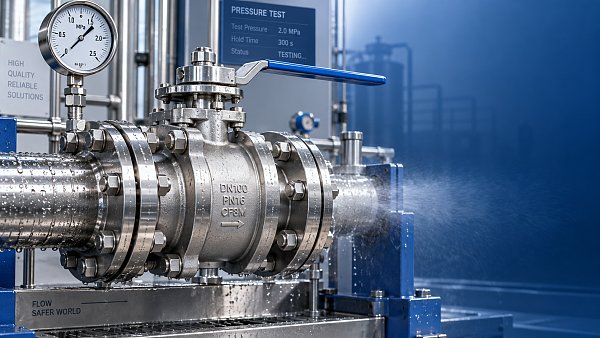
[[IMG:img_01]]In most plants, seal damage is not caused by one dramatic event. It usually develops through 3 interacting layers: process conditions, equipment design, and operating discipline. Chemical Pumps often work with corrosive media, solids, temperature swings, and pressure fluctuations, so a seal that looks correct on paper may still fail early if the total system is not engineered as a package.
For operators, the first warning signs often appear within the first 30–90 days after startup. Leakage at the gland, rising bearing temperature, abnormal noise, or repeated flush instability can indicate that the seal faces are not running under stable lubrication. For information researchers and technical buyers, these symptoms point to a broader reliability issue rather than a simple spare-parts problem.
Across semiconductor chemicals, water treatment, mining reagents, fine chemicals, and high-purity transfer lines, early seal failure is especially common when the pump duty shifts outside its best efficiency region. Even a modest change in suction condition, viscosity, or solids loading can alter shaft deflection, heat generation, and seal face flatness. That is why root-cause analysis must look beyond the seal cartridge alone.
G-CST approaches this issue from a cross-disciplinary viewpoint. By linking Specialized Pump & Valve Systems with Advanced Engineering Materials, Precision Motion Control & Bearings, and Industrial Software & Digital Twins, it becomes possible to benchmark whether failure started from material incompatibility, dynamic runout, installation quality, or process control. That integrated view helps procurement teams avoid replacing one weak point with another.
- Mechanical stress factors: shaft misalignment, pipe strain, cavitation, vibration, and dry-running episodes lasting even a few seconds.
- Chemical stress factors: aggressive pH ranges, oxidizers, solvents, crystallizing media, and incompatible elastomers or face materials.
- Operational stress factors: poor flush plans, infrequent inspection, startup against closed valves, or unstable duty cycles over 2–3 shifts.
The most common failure chain is cumulative, not sudden
A mechanical seal needs a thin fluid film to separate the faces while controlling leakage. When temperature rises too fast, the liquid flashes, solids deposit, or the pump runs far from design flow, that film breaks down. The result is face scoring, heat checking, blistering, or elastomer hardening. In corrosive service, the progression can move from minor leakage to shutdown in less than 1 maintenance cycle.
This is why early seal failure in Chemical Pumps should be evaluated as a system reliability event. The seal is often the visible point of failure, but the initiating cause may sit upstream in suction piping, motor control logic, or material selection. In practical terms, users should inspect at least 5 linked points: medium properties, operating range, shaft condition, seal support plan, and maintenance records.
Which technical factors shorten seal life fastest?
When engineers investigate premature seal wear, they usually find a recurring set of technical drivers. These factors are not equally severe in every industry, but they appear frequently enough across chemical transfer, slurry handling, ultra-pure fluid movement, and corrosive dosing systems to guide a structured review. For most sites, the key is to separate direct causes from accelerating conditions.
The table below summarizes major causes of early seal failure in Chemical Pumps, what operators typically observe, and what researchers or procurement teams should verify before replacing the unit. It is especially useful when comparing existing assets across 2–4 plants or when standardizing specifications for future purchases.
A useful pattern emerges from this comparison: the fastest seal failures often occur when at least 2 factors overlap. For example, slight misalignment alone may be manageable, and chemical attack alone may progress slowly, but together they can reduce seal life from many months to only a few weeks. That is why isolated troubleshooting often produces disappointing results.
Materials matter more than many teams expect
Advanced Engineering Materials play a direct role in survival time. Silicon carbide, tungsten carbide, carbon, PTFE-based elements, and various elastomer families each behave differently under heat, corrosive attack, and poor lubrication. A material set that performs well at 20°C–40°C in neutral service may deteriorate quickly at 60°C–90°C in oxidizing or solvent-rich media.
For high-purity and semiconductor-adjacent applications, the problem is even more sensitive. Trace contamination, outgassing concerns, and ultra-low leakage requirements narrow the acceptable seal material window. G-CST’s benchmarking model is useful here because it compares not only pump construction, but also material compatibility, manufacturing consistency, and regulatory expectations across sectors.
Key technical checks before blaming the seal cartridge
- Measure shaft and bearing condition during operation, not only at standstill.
- Review actual duty point versus design flow over a 7-day or 14-day operating window.
- Confirm whether the flush plan fits the process fluid, solids content, and temperature band.
- Check whether installation torque, centering, and pipe strain control were documented.
How should buyers and operators compare seal-risk conditions before procurement?
Many organizations still buy Chemical Pumps mainly on hydraulic capacity and delivery speed. That may work in low-risk service, but it is inadequate for corrosive, high-purity, abrasive, or frequently cycled operations. A better approach is to compare seal-risk conditions before procurement, especially when the pump is expected to run continuously for 8–24 hours per day.
The following procurement-oriented matrix helps teams align technical evaluation with failure prevention. It is useful for EPC firms, maintenance supervisors, process engineers, and sourcing managers who need a practical way to compare pump options, seal plans, and maintenance exposure across multiple vendors.
This matrix shows that procurement quality improves when teams move from static specifications to dynamic operating data. In many cases, a slightly higher initial spend reduces emergency maintenance, seal inventory waste, and process contamination risk. For high-consequence systems, evaluating 4 dimensions upfront is often cheaper than managing repeated failures after commissioning.
A practical selection checklist for researchers and plant users
Researchers often focus on market comparison, while operators focus on what fails at 2 a.m. Both viewpoints are necessary. A solid selection workflow should link performance data, reliability history, compliance needs, and serviceability. That is especially important in cross-border sourcing, where documentation quality and regulatory interpretation may vary by supplier.
- Define 3 core operating bands: normal duty, startup and shutdown conditions, and upset or standby mode.
- Request material compatibility confirmation for the full fluid range, not only the primary chemical name.
- Ask for seal support details, maintenance interval assumptions, and spare-part lead times, commonly 2–6 weeks depending on region and customization.
- Verify whether vibration control, alignment tolerance, and bearing design are documented at the equipment level.
G-CST supports this process by combining technical benchmarking with regulatory and supply-chain intelligence. Instead of comparing vendors only by price or brochure claims, buyers can screen for standard alignment, material robustness, maintenance exposure, and sourcing resilience. That lowers strategic risk for large projects and makes field performance more predictable for daily users.
What standards, digital tools, and maintenance practices help extend seal life?
Seal reliability improves fastest when operational discipline is paired with standards-based engineering. Depending on sector, teams may reference ISO, ASME, IEEE, or SEMI-related expectations for materials, cleanliness, documentation, and equipment integration. These frameworks do not eliminate failure by themselves, but they create a repeatable baseline for design review, inspection, and supplier communication.
Recommended News
 Oct 24, 2026When do stainless steel valve systems need 316 instead of 304?Choosing stainless steel Valve Systems? Compare 304 vs. 316 for chloride exposure, cleaning chemicals, and corrosion risks to select the right alloy and avoid costly failures.
 Oct 27, 2026Ductile Iron Pipe Procurement: Reviewing Quotes for Water ProjectsCompare ductile iron pipe quotes with confidence. Review standards, joints, coatings, delivery costs, and inspection requirements to avoid hidden costs and make smarter water project purchases.
 Oct 22, 2026How Do I Compare Pump Suppliers Using Ideal-Condition Test Data?How do I compare suppliers when test data uses ideal conditions? Learn to verify pump performance, compare lifetime costs, and uncover hidden risks before choosing your supplier.
 Oct 16, 2026How Do I Size a Pump System for Variable Production Demand?How do I size a pump system for variable production demand? Discover how to match flow, head, VFDs, and staged pumps to reduce energy waste and keep production reliable.
 Sep 27, 2026How valve pressure containment data supports safe system designValve pressure containment data helps engineers verify ratings, materials, tests, and temperature limits for safer system design. Explore practical selection insights.
![]() Oct 16, 2026Which Valve Specifications Help Prevent Chemical Media Leakage?Which valve specification prevents chemical media leakage? Explore sealing, materials, pressure ratings, and fugitive-emission features for safer chemical containment.
Oct 16, 2026Which Valve Specifications Help Prevent Chemical Media Leakage?Which valve specification prevents chemical media leakage? Explore sealing, materials, pressure ratings, and fugitive-emission features for safer chemical containment. Sep 20, 2026When strategic procurement reduces total cost without disrupting supplyStrategic Procurement lowers total cost without risking supply continuity. Learn how to compare delivered value, qualify suppliers, and prevent hidden rework.
 Sep 04, 2026When do oil and gas industrial valves require API 6D certification?Industrial Valves for oil and gas may require API 6D certification for pipeline isolation and transportation systems. Learn key compliance triggers, procurement checks, and safety standards before sourcing.
 Aug 27, 2026Industrial supply chain analysis for finding single-source riskIndustrial Supply Chain Analysis resilience helps uncover hidden single-source risks, map critical dependencies, and build practical mitigation plans for stronger operational continuity.
 Jul 21, 2026How to Evaluate an ISO Compliance Equipment ManufacturerISO compliance equipment manufacturer evaluation starts with more than certificates. Learn how to verify capability, traceability, documentation, and supply reliability.
 Jul 12, 2026Rotary Lobe Pump Exporter Checklist: Certifications, Materials, and Service RiskRotary lobe pump exporter checklist: verify certifications, wetted materials, traceability, and after-sales support to reduce compliance risk, hidden costs, and downtime before you buy.
 Jul 10, 2026ASME Certified Components Quotation: Cost Drivers and Hidden Review PointsASME Certified Components quotation explained: uncover real cost drivers, hidden review points, and supplier risks to compare quotes fairly and avoid costly approval delays.
 Jul 09, 2026How to Compare Global Water and Oil Valve Tenders Databases by Coverage and Update SpeedGlobal water and oil valve tenders database comparison starts with coverage and update speed. Learn how to spot faster, deeper tender intelligence before opportunities are missed.
![]() Jul 07, 2026Air Filters for Clean Processes: When Pressure Drop Becomes a Cost ProblemAir filters can quietly raise clean-process costs through pressure drop, energy loss, and downtime. Learn how to balance filtration efficiency, uptime, and lifecycle savings.
Jul 07, 2026Air Filters for Clean Processes: When Pressure Drop Becomes a Cost ProblemAir filters can quietly raise clean-process costs through pressure drop, energy loss, and downtime. Learn how to balance filtration efficiency, uptime, and lifecycle savings.![]() Jul 07, 2026Metering Pump Manufacturer Checklist for Accuracy and Lifecycle CostMetering pump manufacturer selection goes beyond flow accuracy. Learn how to compare lifecycle cost, reliability, materials, service support, and compliance before you buy.
Jul 07, 2026Metering Pump Manufacturer Checklist for Accuracy and Lifecycle CostMetering pump manufacturer selection goes beyond flow accuracy. Learn how to compare lifecycle cost, reliability, materials, service support, and compliance before you buy.![]() Jul 07, 2026CIP Rotary Lobe Pump Selection: Cleanability, Shear, and Downtime RiskCIP rotary lobe pump selection starts with cleanability, shear control, and downtime risk. Learn how to choose a hygienic, low-maintenance pump that protects product quality.
Jul 07, 2026CIP Rotary Lobe Pump Selection: Cleanability, Shear, and Downtime RiskCIP rotary lobe pump selection starts with cleanability, shear control, and downtime risk. Learn how to choose a hygienic, low-maintenance pump that protects product quality. Jul 06, 2026Food Grade Lobe Pump Shear: How It Affects Product TextureFood grade lobe pump shear directly affects texture, particle retention, and filling stability. Learn how to evaluate shear, protect product quality, and choose the right hygienic pump.
 Jun 30, 2026API Valve Tenders: Cost and Delivery Risks in Global ProjectsGlobal water and oil valve tenders for API valves often hide cost and delivery risks. Learn how to compare bids, spot exclusions, and avoid expensive project delays.
 Jun 27, 2026Slurry Pump for Mining: Common Wear Problems and FixesSlurry pump for mining wear issues explained: spot abrasive wear, cavitation, corrosion, seal leaks, and bearing damage early, with practical fixes to cut downtime and repair costs.
 Jun 25, 2026How to Use an Industrial Buyers Directory for Construction VendorsIndustrial buyers directory for construction: learn how to find, compare, and qualify vendors faster, reduce sourcing risk, and make smarter purchasing decisions for complex projects.
 Jun 23, 2026Radiators vs Heat Exchangers: Which Fits Industrial Cooling Better?Radiators or heat exchangers? Discover which industrial cooling solution delivers better efficiency, uptime, and cost control—and when radiators are the smarter choice.
 Jun 18, 2026Rotary Lobe Pump Factory Checklist: What to Verify Before OrderingRotary lobe pump factory checklist: verify application fit, quality control, material traceability, lead times, and support before ordering to reduce risk and buy with confidence.
 Jun 17, 2026How to Choose Dust Collectors for Fine Powder Controldustcollectors for fine powder control: learn how to compare collector types, filter media, safety, and lifecycle cost to choose a safer, more efficient system.
 Jun 15, 2026How to Compare Storage Solutions for Energy Density and RiskStorage solutions compared by energy density and risk: learn how to evaluate safety, compliance, lifecycle cost, and reliability to choose the right system with confidence.