Search News
Industry Portal
Popular Tags
Industrial Pump Investment Insights for 2026
Author
Time
Click Count
As global manufacturers prepare for tighter efficiency mandates, supply-chain volatility, and accelerated infrastructure modernization, industrial pump investment insights are becoming essential for board-level planning in 2026.
The key challenge is no longer selecting equipment by capacity alone. Decisions now require lifecycle reliability, regulatory exposure, digital integration, and total cost evaluation.
What Do Industrial Pump Investment Insights Mean in 2026?
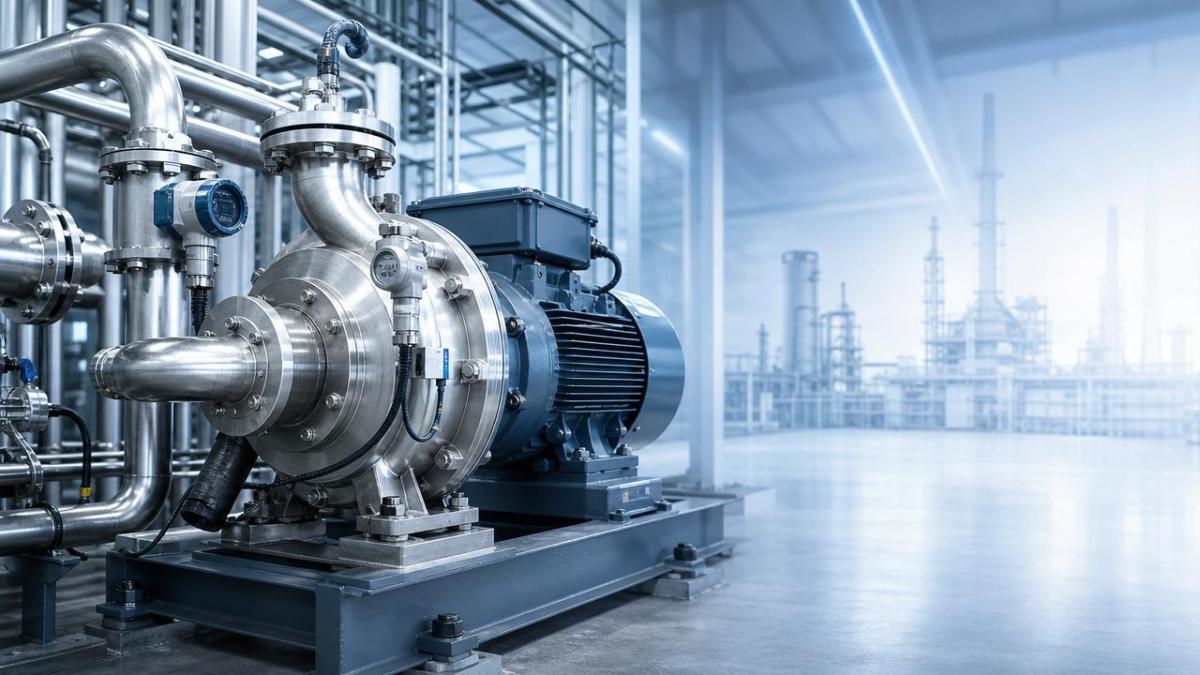
Industrial pump investment insights refer to structured decision intelligence for pump-related capital allocation, replacement timing, technology selection, and operating risk reduction.
In 2026, this intelligence combines engineering data, supplier resilience, regulatory forecasting, energy performance, and digital readiness into one investment view.
Traditional pump evaluation focused on flow rate, head, material, and initial price. That approach is increasingly incomplete for critical industrial systems.
Modern industrial pump investment insights ask a broader question: which solution protects production continuity under higher pressure, cleaner operation, and stricter compliance?
This matters across water infrastructure, chemicals, semiconductors, mining, energy, food processing, and advanced materials production.
Each sector faces different media, corrosion profiles, contamination limits, maintenance windows, and documentation requirements.
Therefore, industrial pump investment insights should not be reduced to a brand comparison or simple efficiency ranking.
They should connect duty conditions, failure consequences, lifecycle cost, and strategic sourcing options before capital is committed.
Which Market Changes Are Reshaping Pump Decisions?
Several structural changes are making industrial pump investment insights more urgent for 2026 planning cycles.
First, efficiency regulations are becoming more demanding. Pumping systems often consume significant plant electricity, especially in continuous operations.
A small improvement in system efficiency can create meaningful savings when motors, drives, piping, and operating profiles are optimized together.
Second, supply-chain volatility remains a practical risk. Long-lead castings, specialty alloys, seals, bearings, and control components can delay projects.
Third, electrification and digital monitoring are changing value calculations. Smart pumps, variable frequency drives, and condition monitoring reduce avoidable failures.
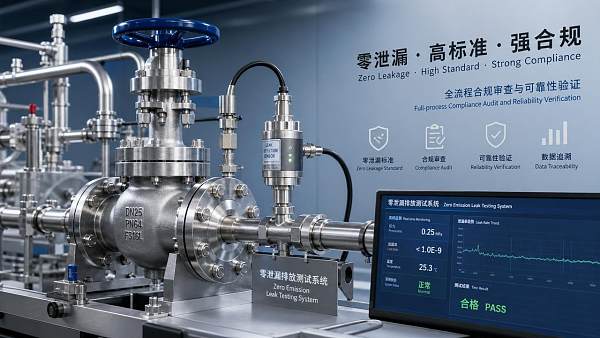
Fourth, hazardous and high-purity applications are demanding better containment. Zero-leakage designs are gaining importance in chemicals and semiconductor facilities.
Fifth, infrastructure renewal is accelerating. Aging water, wastewater, district energy, and industrial utility systems need resilient pump modernization strategies.
For these reasons, industrial pump investment insights should include both technical benchmarking and commercial intelligence.
- Energy efficiency under real duty cycles, not only catalog curves.
- Material compatibility with fluids, additives, cleaning agents, and temperature changes.
- Spare part availability across regional operating sites.
- Compliance with ISO, API, ASME, SEMI, or other relevant standards.
- Digital integration with SCADA, asset platforms, and predictive maintenance systems.
How Should Total Cost of Ownership Be Evaluated?
Total cost of ownership is central to credible industrial pump investment insights.
The purchase price may represent only a limited share of lifetime cost, especially in high-duty or remote installations.
Energy consumption, maintenance labor, downtime, spare inventory, seal replacement, and process losses can exceed initial equipment cost.
A robust TCO model begins with the actual duty profile. Constant operation, intermittent service, and batch cycles create different cost patterns.
Oversized pumps often waste energy and operate away from the best efficiency point. Undersized pumps increase stress and reliability risk.
Industrial pump investment insights should also review hydraulic system design, not just the pump itself.
Pipe diameter, valve losses, suction conditions, tank layout, and control philosophy can strongly influence operating cost.
Digital monitoring improves TCO accuracy by capturing vibration, temperature, pressure, motor load, and cavitation indicators.
When data is available, maintenance can shift from fixed intervals to condition-based action.
That shift reduces unnecessary shutdowns and identifies early degradation before catastrophic failure occurs.
Which Pump Technologies Deserve Closer Review?
Industrial pump investment insights should compare technologies according to fluid properties, process risk, and lifecycle expectations.
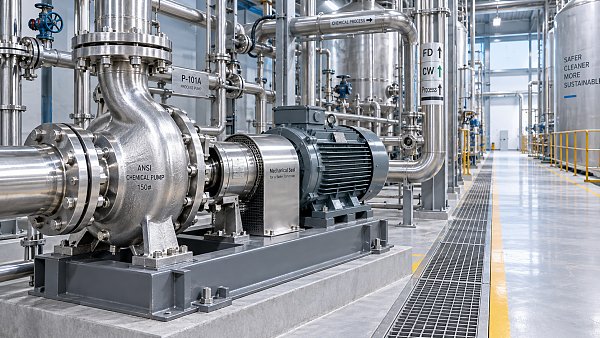
Centrifugal pumps remain common for water, utilities, cooling, and many chemical transfer duties.
They offer broad availability, scalable capacity, and familiar maintenance practices, but efficiency depends heavily on correct sizing.
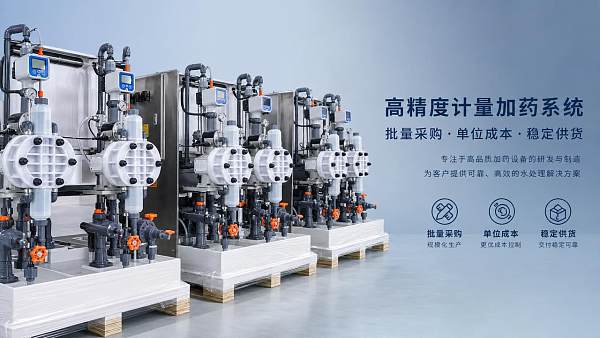
Positive displacement pumps suit high-viscosity fluids, metering, dosing, and applications requiring stable flow against variable pressure.
They require careful protection against overpressure and abrasive wear, especially in demanding process environments.
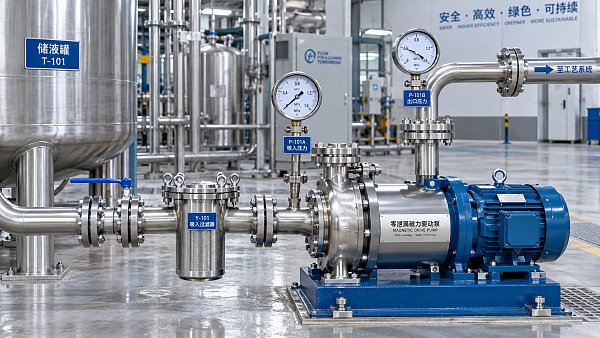
Magnetic drive and canned motor pumps are important where leakage must be minimized.
These designs support hazardous, toxic, high-purity, or expensive fluids, but thermal management and bearing selection require attention.
Diaphragm and peristaltic pumps serve corrosive, shear-sensitive, or dosing applications where containment and isolation are priorities.
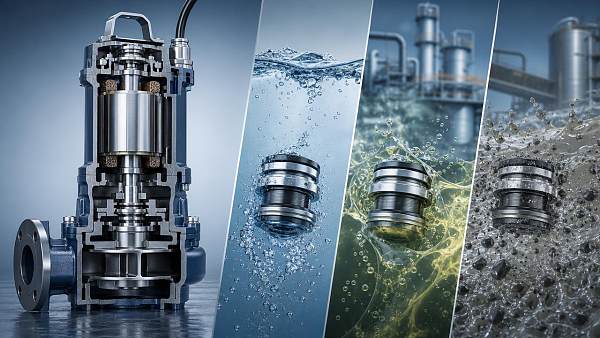
Submersible pumps are essential for drainage, wastewater, mining, and flood-control operations.
Their investment case depends on sealing integrity, cable protection, solids handling, and ease of retrieval.
Smart pump packages deserve separate analysis. Sensors, drives, controllers, and connectivity can create measurable operational value.
However, digital capability should be matched to cybersecurity, data ownership, and integration requirements.
How can technology choice be narrowed?
- Define the fluid, temperature, solids content, vapor pressure, and chemical behavior.
- Map the duty cycle, operating range, start frequency, and control method.
- Rank failure consequences for safety, production, environment, and reputation.
- Check standard compliance, test documentation, and material traceability.
- Compare lifecycle cost, not just quoted equipment price.
What Risks Are Often Missed During Pump Investment Planning?
The most common mistake is treating pump selection as an isolated equipment purchase.
Reliable industrial pump investment insights consider the entire process environment, including upstream variability and downstream constraints.
Cavitation risk is often underestimated. Poor suction design, low net positive suction head, or temperature variation can damage components quickly.
Material selection can also be misunderstood. A material compatible at room temperature may fail under heat, concentration changes, or cleaning cycles.
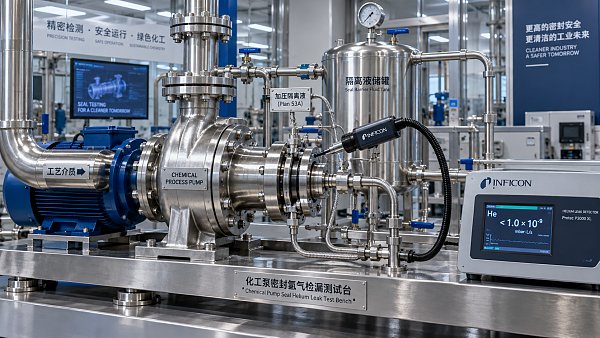
Seal strategy is another critical area. Mechanical seals, packing, magnetic drives, and barrier systems create different risk profiles.
Maintenance capability should be assessed before selection. Specialized designs may require training, tools, or certified service support.
Supply concentration is a strategic risk. A single-source component can create long outages during geopolitical or logistics disruption.
Cyber exposure is rising as pumps connect to industrial networks. Remote diagnostics must not weaken operational technology security.
Industrial pump investment insights should therefore include a risk register before contract approval.
How Can Industrial Pump Investment Insights Support Capital Planning?
Capital planning improves when industrial pump investment insights are converted into a practical decision framework.
The first step is segmentation. Not every pump requires the same level of analysis or redundancy.
Critical pumps should receive deeper engineering review, supplier qualification, and failure-mode analysis.
Non-critical pumps may follow standardized specifications, provided spare parts and maintenance practices remain consistent.
The second step is benchmarking. Compare candidate solutions against accepted standards, reference installations, and verified performance data.
The third step is scenario testing. Evaluate energy price shifts, duty changes, supply delays, and regulatory updates.
The fourth step is governance. Approval criteria should include reliability, documentation, warranty terms, digital compatibility, and exit options.
G-CST supports this type of decision discipline through engineering benchmarking, standards alignment, and cross-sector technical intelligence.
Its focus on specialized pump and valve systems fits wider industrial investment planning across high-tech and infrastructure environments.
FAQ Summary for 2026 Pump Investment Decisions
What Is the Best Next Step for 2026 Readiness?
The best next step is building a ranked pump asset map before budget decisions are finalized.
Start with criticality, failure history, energy use, spare availability, and compliance exposure.
Then apply industrial pump investment insights to separate urgent replacements from optimization projects and long-term modernization candidates.
This prevents capital from flowing toward visible problems while hidden system risks remain unresolved.
For 2026, strong pump investment decisions will favor verified performance, maintainable designs, digital readiness, and resilient sourcing.
Industrial pump investment insights make those choices clearer, measurable, and defensible across complex industrial portfolios.
A disciplined review now can reduce downtime, strengthen compliance, and align pumping systems with long-term industrial performance.
Recommended News
 Oct 15, 2026What Should I Do When a Zero-Leakage Pump System Loses Pressure?What should I do when a pump system loses pressure? Discover safe troubleshooting steps for zero-leakage pumps, uncover hidden causes, and restore reliable performance.
 Oct 15, 2026How to verify zero-leakage sealing in chemical transfer pumpsVerify zero leakage sealing in chemical transfer pumps with practical guidance on leak testing, seal selection, and acceptance criteria. Learn how to prove containment and reduce risk.
 Sep 30, 2026How ANSI standard chemical pumps reduce replacement riskChemical Pumps ANSI standard designs reduce replacement risk with predictable fit, maintainability, and supplier options. Learn key evaluation steps for safer chemical pump upgrades.
 Sep 15, 2026How to select slurry pump systems that resist abrasive wearSpecialized Pump Systems for slurry handling: learn how to match materials, hydraulics, seals, and operating ranges to reduce abrasive wear, extend service life, and lower downtime.
 Aug 30, 2026How to use a vacuum pump ultimate pressure chart for pump selectionUse a vacuum pump ultimate pressure chart to compare technologies, assess real process demands, and select a reliable pump for cleaner, efficient production.
 Jul 29, 2026How to Select Chemical Pumps for Chemical Processing by Fluid Corrosivity and TemperatureChemical Pumps for chemical processing: learn how fluid corrosivity and temperature shape material, seal, and pump design choices to reduce leaks, failures, and lifecycle cost.
 Jul 08, 2026Slurry Pump ISO Standards: What Actually MattersSlurry pump ISO explained beyond compliance: learn what truly impacts reliability, testing, materials traceability, and lifecycle cost before you compare suppliers.
 Jun 24, 2026Vacuum Pump Ultimate Pressure Data: What Numbers Matter MostVacuum pump ultimate pressure data explained: learn which pressure numbers truly matter, how to compare specs correctly, and how to choose pumps for stable, reliable process performance.
 Jun 23, 2026Specialized Pump Systems: Key Failure Risks and How to Prevent ThemSpecialized Pump Systems face different failure risks across clean, corrosive, and high-load duties. Learn key warning signs and practical prevention steps to reduce downtime.
 Jun 17, 2026Chemical Manufacturing Safety Risks in Fluid Transfer SystemsChemical manufacturing safety starts with fluid transfer control. Learn how to spot leak risks, seal failures, contamination issues, and smarter ways to improve compliance and uptime.
 May 31, 2026Industrial Pump Investment Insights for 2026Industrial pump investment insights for 2026: discover how to reduce downtime, improve TCO, meet compliance, and choose resilient, efficient pump technologies.
 May 29, 2026How to Vet a Slurry Pump OEM Manufacturerslurry pump oem manufacturer selection made easier: learn how to verify engineering, materials, testing, quality systems, and support before you buy.
 May 18, 2026Wastewater Pump Market Outlook 2026: Pricing, Demand, and Upgrade CyclesWastewater pump market outlook 2026: explore pricing trends, replacement demand, and upgrade cycles to cut risk, control costs, and make smarter pump buying decisions.
 May 17, 2026The Future of Magnetic Drive Pumps in High-Risk Fluid DutyFuture of magnetic drive pumps: discover how smarter monitoring, safer zero-leak design, and advanced materials improve reliability in high-risk fluid handling.
 May 17, 2026Industrial Pump Investment Insights for Capacity ExpansionIndustrial pump investment insights for capacity expansion: learn how to compare lifecycle cost, reliability, compliance, and supplier risk to make smarter, lower-risk approval decisions.
 May 17, 2026Chemical Pump Energy Saving Report: Which Upgrades Pay OffChemical pump energy saving report that reveals which upgrades truly pay off—compare VFDs, motor efficiency, hydraulic correction, and reliability impacts to cut costs with confidence.
 May 17, 2026How Raw Material Volatility Is Reshaping Pump CostsImpact of raw material on pump costs is changing budgets, lead times, and lifecycle value. Learn how to reduce risk, compare materials, and make smarter pump approvals.
 May 16, 2026Zero-Leakage Tech Innovations That Reduce Shutdown RiskInnovations in zero-leakage tech help reduce shutdown risk, improve containment reliability, and protect uptime. Discover smarter solutions for critical industrial systems.
 May 15, 2026Zero-Leakage Emission Standards and Compliance GapsZero-leakage emission standards shape compliance, reliability, and investment risk. Learn where claims fail, how to spot hidden gaps, and what to verify before buying critical industrial systems.
 May 15, 2026Bellows Seal Fatigue Life Data for High-Cycle ServiceBellows seal fatigue life data for high-cycle service: compare verified cycle tests, thermal and corrosion limits, and leak-tight performance to choose safer, longer-lasting valves.
 May 14, 2026Dosing System Pumps Wholesale: What Affects Unit Cost and Supply StabilityDosing system pumps wholesale explained: learn what drives unit cost, supply stability, compliance, and long-term value to source smarter and reduce procurement risk.
 May 14, 2026Rotary Lobe Pump Factory Options for Hygienic Duty and Low Shear TransferRotary lobe pump factory selection starts with hygienic design, low shear transfer, and traceable quality. Compare sanitary standards, lifecycle support, and proven application fit.
 May 13, 2026Bellows Seal Valve Factory: What Prevents Fugitive EmissionsBellows seal valve factory selection directly impacts fugitive emissions control. Learn the key checks, standards, and proof points that reduce leakage risk and improve safety.
 May 13, 2026Submersible Motor Pump OEM: Key Seal Risks to ReviewSubmersible motor pump OEM buyers should review seal risks first. Learn how abrasion, corrosion, ingress, and duty conditions affect reliability, safety, and lifecycle cost.