Search News
Industry Portal
Popular Tags
SBS Modified Bitumen Membrane: Common Failures and Fixes
Author
Time
Click Count
SBS Modified Bitumen Membrane: Common Failures and Fixes
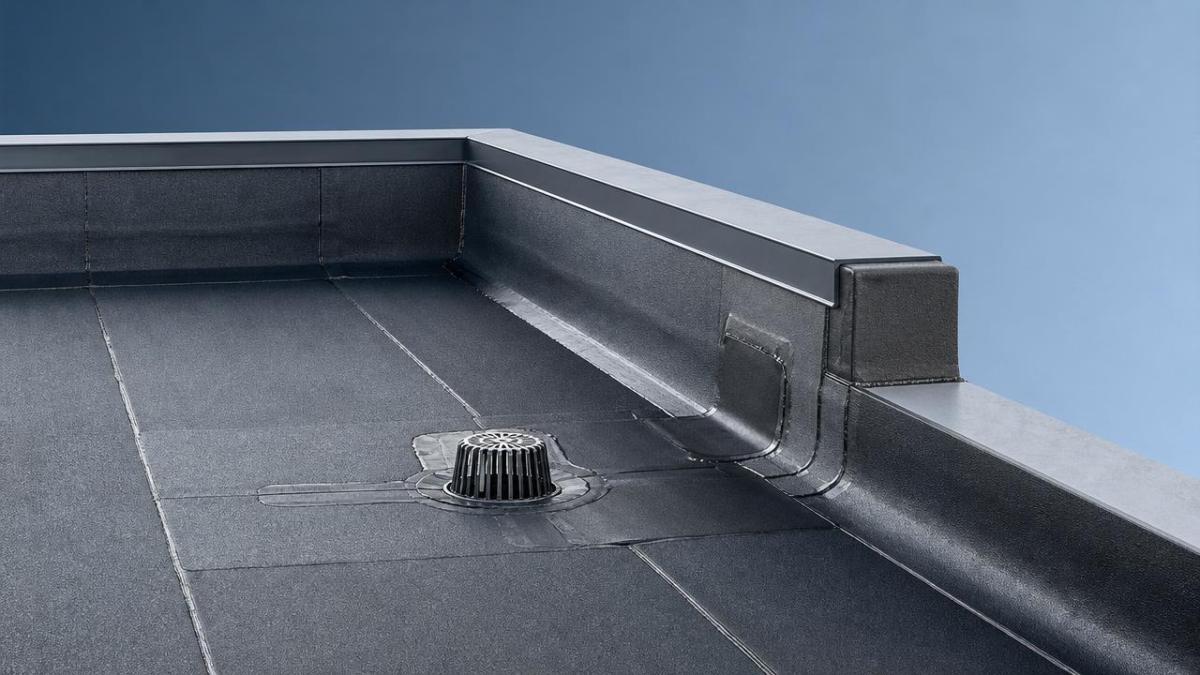
SBS modified bitumen membrane remains a reliable choice for waterproofing because it combines flexibility, crack resistance, and strong weather performance.
Still, even a well-specified system can fail when installation, detailing, drainage, or maintenance is overlooked.
Leaks rarely start as dramatic events. More often, the first signs are soft spots, bubbling, loose laps, or repeated damp patches indoors.
That also means early action matters. Small defects in an SBS modified bitumen membrane can usually be repaired before they become structural problems.
This guide explains the most common failure modes, why they happen, and what practical fixes work in real operating conditions.
Why SBS Modified Bitumen Membrane Systems Fail
Most problems do not come from one cause alone. Failure usually results from several weak points acting together over time.
In practice, four factors show up again and again: poor substrate preparation, trapped moisture, bad seam work, and environmental stress.
An SBS modified bitumen membrane depends on sound adhesion and controlled detailing. If the base is dirty, uneven, or wet, durability drops fast.
Thermal movement is another major trigger. Roof decks expand and contract daily, and weak transitions tend to fail first.
From a maintenance viewpoint, deferred inspection makes everything worse. A small split at flashing level can quickly spread beneath the field membrane.
Typical root causes
- Wet or dusty substrate before application
- Inadequate torching or adhesive coverage at seams
- Ponding water caused by poor slope or blocked drains
- Mechanical damage from foot traffic or rooftop equipment
- Aging from UV exposure, heat cycling, and chemical contamination
Failure 1: Leaks and Water Ingress
Water ingress is the complaint most people notice first, but the visible leak point is often not the actual source.
With an SBS modified bitumen membrane, water may travel along laps, insulation joints, or deck irregularities before appearing indoors.
Common leak locations include penetrations, parapet junctions, roof drains, and perimeter flashings.
What usually causes it
- Open seams or fishmouths
- Cracked flashing at corners and upstands
- Punctures from tools, traffic, or dropped metal parts
- Drain back-up and prolonged standing water
How to fix it properly
- Trace the entry path before opening the surface. Do not assume the stain sits under the defect.
- Cut out damaged membrane only after the area is dry and clearly mapped.
- Prime the prepared zone if required by the system design.
- Install a compatible patch with correct overlap beyond the damaged zone.
- Rework nearby flashing and drainage details if the leak source is systemic.
If leaks return after patching, the issue may sit below the visible surface. In that case, moisture survey data becomes more useful than guesswork.
Failure 2: Blistering and Bubbling
Blisters look minor at first, yet they often signal trapped air or moisture beneath the SBS modified bitumen membrane.
As temperatures rise, vapor pressure increases. That pressure pushes the membrane upward and weakens adhesion.
Not every blister leaks immediately, but it creates a vulnerable point that can split under traffic or thermal stress.
Main reasons behind blistering
- Moisture trapped in the deck or insulation
- Application over a damp substrate
- Poor venting strategy in the roof assembly
- Rapid heating after installation
Best repair approach
Small, stable blisters that are not on seams may be monitored instead of cut open immediately.
Large blisters, growing blisters, or seam blisters should be opened, dried, and repaired with a new reinforced patch.
If trapped moisture is widespread, isolated repair will not solve the whole problem. Partial replacement may be the safer decision.
Failure 3: Seam Separation and Lap Defects
Seams are the most sensitive parts of any SBS modified bitumen membrane system because they depend heavily on workmanship.
When overlaps are underheated, contaminated, or poorly pressed, the membrane can separate long before the field area fails.
This is also where recurring leaks often begin after rooftop service work.
Common warning signs
- Lifted lap edges
- Bitumen bleed-out missing at torched seams
- Fine cracks along overlap lines
- Localized moisture near repeated seam locations
Repair method that lasts
Clean the seam thoroughly, remove degraded material, and verify the substrate below has not softened from long-term moisture.
Then reseal the overlap or install a cover strip using compatible SBS modified bitumen membrane materials.
If seam failure appears across many rolls, review installation temperature, crew technique, and product compatibility rather than patching randomly.
Failure 4: Cracking, Splitting, and Surface Aging
Over time, an SBS modified bitumen membrane can lose elasticity if exposed to intense UV, standing water, chemical attack, or repeated movement.
The first signs are often surface crazing, granule loss, hardened flashing, or hairline splits near stress points.
This type of aging is more serious around corners, equipment supports, and metal terminations.
What helps restore performance
- Patch isolated cracks before water enters the assembly
- Rebuild failed flashing with reinforced detailing
- Apply compatible protective coating where the system allows it
- Replace brittle sections when flexibility is already lost
A coating should never hide active defects. Surface renewal only works after the membrane is dry, stable, and properly repaired.
Inspection Checklist for Faster Troubleshooting
A simple inspection routine helps catch SBS modified bitumen membrane issues before they escalate into shutdowns or major replacement costs.
Prevention Steps That Reduce Future Repairs
The most cost-effective repair is the one you never have to make. Prevention is where SBS modified bitumen membrane systems deliver their full value.
A few disciplined steps can greatly extend service life and lower emergency maintenance pressure.
- Inspect after storms, freeze-thaw cycles, and rooftop contractor visits
- Keep drains, scuppers, and gutters free of sediment and debris
- Limit uncontrolled foot traffic with designated walk pads
- Use only compatible repair compounds and membrane accessories
- Document recurring trouble spots and compare seasonal changes
In real facilities, consistent recordkeeping often reveals patterns. Repeated seam repairs in one zone may point to deck movement or drainage design flaws.
When Repair Is Enough and When Replacement Makes More Sense
Not every damaged SBS modified bitumen membrane needs full replacement. Many roofs can be restored effectively through targeted repair and detail upgrades.
Repair is usually enough when defects are localized, insulation remains dry, and seams outside the problem zone are still sound.
Replacement becomes more practical when moisture is widespread, adhesion failure is systemic, or aging affects large portions of the roof.
The better decision usually comes from condition data, not guesswork. Moisture mapping, core cuts, and repair history tell a clearer story.
Final Takeaway
An SBS modified bitumen membrane performs well when the system is dry, well-detailed, and regularly inspected.
The common failures are predictable: leaks, blisters, seam separation, and age-related cracking. Each one has a practical fix if found early.
Start with the real cause, not the visible symptom. Then repair with compatible materials, correct detailing, and better follow-up inspection.
That approach keeps the SBS modified bitumen membrane working longer, reduces disruption, and turns reactive repair into controlled asset protection.
Recommended News
 Oct 16, 2026Is Hastelloy C22 suitable for handling hot hydrochloric acid?Is Hastelloy C22 chemical industry material suitable for hot hydrochloric acid? Explore corrosion limits, operating conditions, and testing guidance to make informed material choices.
 Oct 05, 2026How bend radius affects cracking in sheet metal bendingSheet metal bending crack prevention starts with the right bend radius. Learn how material ductility, grain direction, and tooling affect reliability.
 Sep 14, 2026When does high purity matter in advanced engineering materials?Advanced Engineering Materials high purity: learn when impurity control protects reliability, yield, and qualification—and how to specify the right grade for critical applications.
 Aug 23, 2026How to check if safetyharnesses meet OSHA and ANSI requirementssafetyharnesses compliance starts with labels, traceability, ANSI Z359 proof, and OSHA fit-for-use checks. Learn the key red flags and verification steps before you buy.
 Aug 21, 2026Where graphene conductivity applications deliver a real performance gainGraphene conductivity applications deliver real gains in coatings, EMI shielding, flexible electronics, and energy storage—learn where performance justifies cost and complexity.
 Aug 20, 2026What makes hotelroomfurniture durable enough for high-turnover hotelshotelroomfurniture built for high-turnover hotels must resist impact, cleaning chemicals, and daily wear. Learn what materials, joints, and finishes truly last.
 Aug 24, 2026Evaluating Hastelloy C22 Sheet for Welded Chemical Processing EquipmentHastelloy C22 Sheet for welded chemical processing equipment: assess weldability, thickness tolerance, corrosion resistance, and procurement risks to choose safer, longer-lasting assets.
 Jul 15, 2026Industrial Graphene Application Trends in Europe for 2026Industrial graphene application trends Europe in 2026 highlight where batteries, coatings, composites, and electronics are moving toward scalable adoption, offering actionable insight for smarter sourcing and investment.
 Jul 11, 2026When Optical Grade Specialty Glass Fails Spec: Common CausesSpecialty glass optical grade failures often stem from stress, contamination, or machining drift. Learn the common causes, warning signs, and how to prevent costly out-of-spec batches.
 Jul 08, 2026How to Evaluate Carbon Fiber Distributors in EuropeCarbon fiber distributors Europe: learn how to compare traceability, technical support, compliance, and delivery reliability to choose the right partner with confidence.
 Jul 01, 2026Radiation Shielding Supplier Selection: Cost, Compliance, and Lead TimeRadiation shielding supplier selection affects cost, compliance, and lead time. Learn how to compare quotes, verify standards, and reduce project risk before you buy.
 Jun 30, 2026Global Technical Ceramics Tenders: Sourcing Risks and ShortlistsGlobal technical ceramics tenders sourcing demands more than price checks. Discover key risks, smarter shortlists, and practical ways to reduce compliance, quality, and supply disruption.
 Jun 29, 2026Office Decor Trends for 2026: What Improves Focus Without Raising Fit-Out CostsOffice decor trends for 2026 that boost focus, support hybrid work, and improve space performance without expensive fit-outs. Discover practical, budget-smart upgrades.
 Jun 28, 2026Auto Body Parts Guide: OEM vs Aftermarket Cost and FitAuto body parts guide comparing OEM vs aftermarket options on cost, fit, durability, and repair value. Learn which choice delivers better results before you buy.
 Jun 23, 2026Sheet Metal Distributor Selection: 7 Checks Before You Place an OrderSheet metal distributor selection starts with 7 critical checks. Learn how to compare quality, lead time, traceability, and total cost before placing an order.
 Jun 22, 2026How to Choose a Hydraulic Press for Composite MaterialsHydraulic press for composite materials: learn how to compare tonnage, thermal uniformity, controls, and tooling fit to choose a press that boosts quality, uptime, and ROI.
 Jun 21, 2026How to Evaluate a Thermoset Resin Manufacturer Beyond PriceThermoset resin manufacturer selection should go beyond price. Learn how to assess quality, compliance, batch consistency, and supply reliability for lower-risk sourcing.
 Jun 20, 2026How to Evaluate an Advanced Engineering Materials SupplierAdvanced Engineering Materials supplier evaluation starts with proof, not price. Learn how to assess quality, compliance, traceability, and supply resilience for smarter sourcing.
 Jun 17, 2026How to Evaluate a Bedding Sets Exporter Before OrderingBedding sets exporter evaluation guide: learn how to verify quality control, compliance, pricing, and shipment reliability before ordering to reduce risk and choose the right supplier.
 Jun 16, 2026SBS Modified Bitumen Membrane: Common Failures and FixesSBS modified bitumen membrane guide: discover common failures, key warning signs, and proven fixes to stop leaks, extend roof life, and reduce costly repairs.
 Jun 16, 2026How to Compare Eco-Friendly Building Materials for Lightweight PanelsEco-friendly building materials lightweight panels: learn how to compare carbon, fire safety, moisture resistance, and supply reliability to choose smarter, longer-lasting panel solutions.
 Jun 13, 2026How to Evaluate Manufacturing Components for Cost, Tolerance, and Lead TimeManufacturing components evaluation starts with total cost, tolerance, and lead time. Learn a practical framework to compare suppliers, reduce sourcing risk, and make smarter buying decisions.
 Jun 12, 2026How Wooden Educational Toys Support Early Skill Developmentwoodeneducationaltoys help build fine motor skills, focus, problem-solving, and creativity. Discover how to choose safer, durable toys that support confident early learning.
 Jun 11, 2026Brass Rods Guide: Grades, Machinability, and CorrosionBrassrods guide covering grades, machinability, corrosion, and compliance. Compare C360, C260, DZR, and low-lead options to choose the right rod for reliable performance.