Search News
Industry Portal
Popular Tags
Technical Ceramics Supplier: What Matters Most?

Author
Time
Click Count
Choosing the right technical ceramics supplier goes far beyond price. For researchers, operators, buyers, and decision-makers, supplier capability must be judged by material consistency, compliance, precision engineering, and long-term supply reliability. From zirconia ceramic supplier benchmarking to advanced materials sourcing strategies, this guide explains what matters most when selecting partners for high-performance industrial applications.
In high-value industrial systems, technical ceramics are rarely a commodity. They are engineered components that influence wear life, thermal stability, insulation performance, chemical resistance, and dimensional accuracy. A poor supplier choice can lead to unplanned downtime, qualification delays, contamination risks, or field failures that cost far more than the initial unit price difference.
For organizations working across semiconductor equipment, fluid handling, motion systems, digitalized manufacturing, and advanced engineering materials, supplier assessment should be evidence-based. That means comparing process capability, inspection discipline, standards alignment, customization strength, and supply-chain resilience across multiple decision layers rather than relying on quotations alone.
Why Supplier Selection Matters More in Technical Ceramics
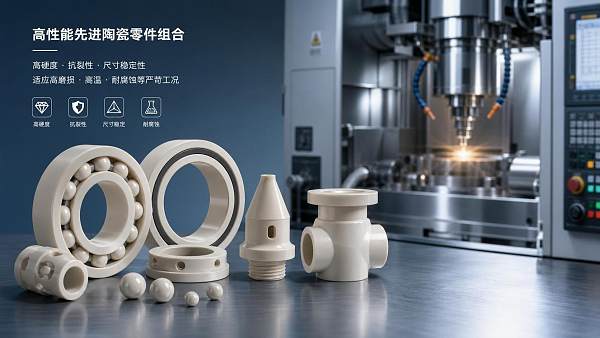
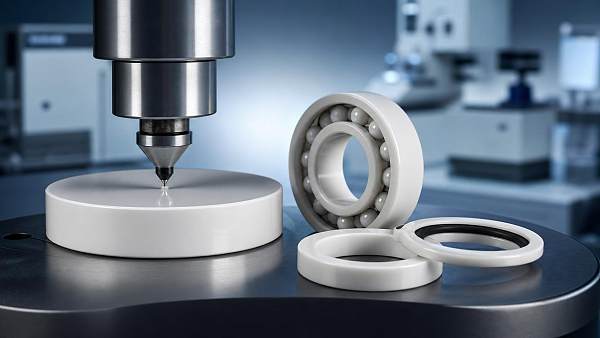
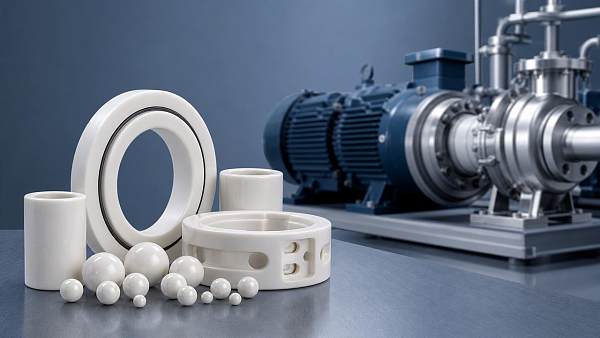
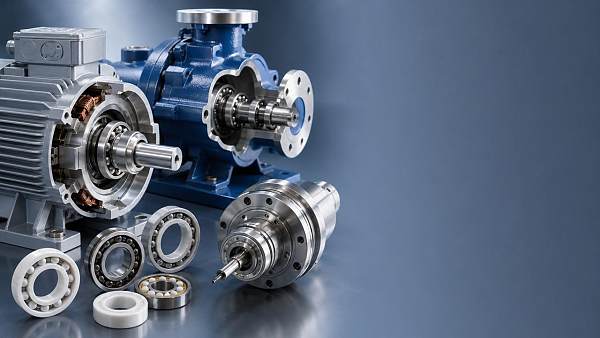
[[IMG:img_01]]Technical ceramics such as alumina, zirconia, silicon nitride, and silicon carbide are selected for performance envelopes that metals or polymers often cannot sustain. In many applications, they operate under temperatures above 800°C, resist aggressive media, or maintain tight tolerances within ±0.01 mm to ±0.05 mm. When a supplier cannot control microstructure, density, or finishing precision, these advantages disappear quickly.
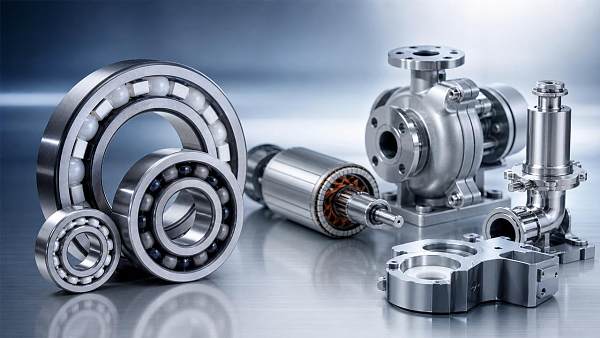
The risk is especially high in B2B environments where one ceramic part is embedded in a larger critical system. A seal ring, bearing ball, nozzle, insulator, or wafer-handling component may represent less than 3% of a system’s bill of materials, yet it can determine up to 100% of a tool’s usability if it fails. Procurement teams therefore need a supplier that understands system-level consequences, not only part-level fabrication.
A capable technical ceramics supplier should also demonstrate repeatability over time. One prototype lot that passes testing is not enough. Buyers should ask whether the same density range, surface finish, grain control, and dimensional stability can be maintained over 6 months, 12 months, and multi-site production programs. Long-term consistency is often the dividing line between an acceptable vendor and a strategic partner.
For research users and operators, material mismatch creates practical problems: premature abrasion, thermal shock cracking, dielectric breakdown, or fit-up issues during assembly. For procurement and executive teams, the problem expands into qualification cost, scrap exposure, warranty risk, and delayed revenue. That is why supplier evaluation must combine technical, operational, and commercial intelligence from the start.
Typical Failure Points Caused by Weak Supplier Capability
- Inconsistent density or porosity leading to wear variation and lower mechanical strength.
- Uncontrolled shrinkage during sintering, causing tolerance drift outside the assembly window.
- Insufficient finishing capability for lapped, polished, or precision-ground surfaces below Ra 0.2 μm.
- Weak traceability on powder batch, process route, and inspection records, making root-cause analysis slow.
- Extended lead times of 8–16 weeks with no safety stock strategy for recurring production demand.
Where the Selection Criteria Change by Application
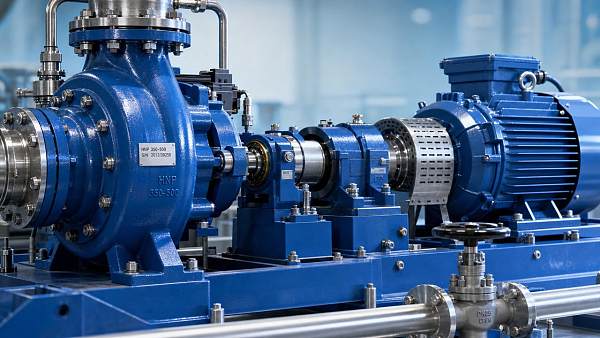
A zirconia ceramic supplier for wear parts in pump systems may be judged heavily on fracture toughness and corrosion resistance. A supplier serving semiconductor or electronic applications may be screened more rigorously for purity, particle control, outgassing behavior, and documentation discipline. Bearing and motion-control applications often place greater weight on roundness, surface finish, and fatigue behavior across repeated load cycles.
Core Technical Criteria to Evaluate Before You Buy
The first screening step is material-property alignment. Buyers should not accept broad claims such as “high strength” or “excellent wear resistance” without a property window. Ask for typical ranges and production tolerances for density, hardness, flexural strength, fracture toughness, thermal conductivity, electrical resistivity, and operating temperature. A reliable technical ceramics supplier should explain not only nominal values, but also process-related variation between batches and geometries.
The second factor is manufacturing capability. Forming routes such as dry pressing, isostatic pressing, injection molding, extrusion, and machining from pre-sintered or fully sintered stock each have different implications for cost, geometry freedom, and achievable tolerances. For example, simple pressed parts may support more economical volume production above 1,000 units, while complex machined ceramic parts may be better suited to lower-volume, high-precision programs.
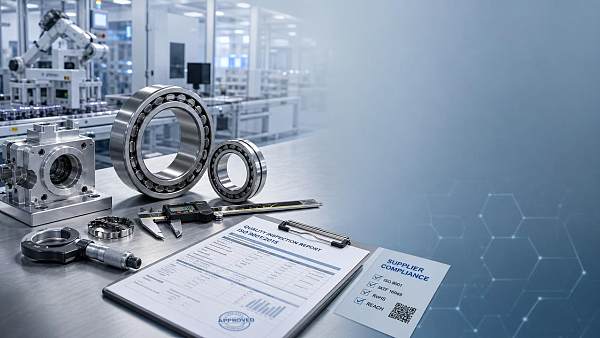
Third, inspect the supplier’s metrology and quality control depth. Basic dimensional checks are not enough for critical ceramic components. Ask whether they perform density measurement, flatness and roundness verification, surface roughness inspection, microstructural review, and lot traceability. If the application is critical, incoming and outgoing reports should be available within 24–72 hours of request, especially during new product introduction.
Fourth, evaluate engineering support. Strong suppliers contribute to design-for-manufacture reviews, recommend edge radii, wall thickness ratios, shrinkage allowances, and tolerance adjustments, and warn when a requested geometry creates high cracking risk. In many projects, this engineering feedback can reduce prototype iterations from 3 rounds to 1 or 2 rounds, which shortens time to qualification and lowers project cost.
Key Questions to Ask During Technical Review
The table below summarizes practical criteria that procurement teams and technical evaluators can use when comparing multiple suppliers. It is designed for mixed audiences, including researchers validating material behavior and buyers managing commercial risk.
The most important conclusion is that performance data must be tied to manufacturing reality. A supplier may present attractive catalog properties, but if those values only apply to standard coupons and not your actual geometry, the data has limited purchasing value. Qualification should always reflect the real part, the real finish, and the real operating environment.
Shortlist Rule for Buyers
- Screen 4–6 suppliers at the document stage.
- Reduce to 2–3 suppliers after process and quality review.
- Run prototype and inspection comparison before volume commitment.
Compliance, Traceability, and Risk Control in Industrial Supply
For advanced manufacturing and infrastructure projects, technical ceramics sourcing is also a compliance exercise. Buyers should verify whether the supplier can align with the documentation frameworks expected in regulated or quality-sensitive environments, including material declarations, lot records, inspection reports, change control procedures, and export-related communication where applicable. In cross-border supply chains, delayed or incomplete documentation can add 1–3 weeks to approval timelines.
Traceability matters because ceramic component issues are rarely visible at first glance. If a crack, chipping event, or dielectric problem appears after installation, the team must be able to trace the part back to powder source, forming route, sintering batch, finishing step, and inspection record. Without that chain, root-cause analysis becomes expensive and slow, especially when multiple suppliers contribute to one assembly.
Supply risk should also be assessed beyond the factory floor. A technically strong supplier that relies on a single powder source, one sintering line, or one export lane may still create operational vulnerability. Strategic buyers often ask for a dual-source powder plan, preventive maintenance visibility on key furnaces, and communication commitments such as a 48-hour update window for schedule changes.
This is where benchmarking and intelligence support become useful. Organizations such as G-CST help procurement teams compare suppliers against international standards, performance expectations, and broader resilience indicators across advanced engineering materials and adjacent sectors. That wider view is valuable when a ceramic component interacts with pumps, valves, motion systems, semiconductor tools, or digital manufacturing infrastructure.
Risk Signals That Deserve Immediate Attention
- Lead-time promises under 2 weeks for complex custom ceramic parts without explanation of stock or tooling assumptions.
- Unwillingness to share inspection scope, process flow, or revision control practices.
- Only “typical” material values provided, with no production range or acceptance criteria.
- No contingency plan for furnace downtime, raw material interruption, or logistics delay.
Compliance and Supply Reliability Checklist
The following table can be used as a structured pre-award checklist before issuing a purchase order or long-term agreement.
A strong supplier is not simply the one with the best lab data. It is the one that can keep technical quality, paperwork quality, and delivery quality aligned over repeated orders. In multi-country procurement, that combination is often what protects project timelines and audit readiness.
Comparing Suppliers by Application, Cost, and Lifecycle Value
A common mistake in technical ceramics procurement is selecting the cheapest quoted part instead of the lowest total-risk option. Unit price should be evaluated alongside scrap rate, qualification effort, service life, replacement frequency, and downtime exposure. A part priced 12% lower may still be the more expensive choice if it wears out 30% faster or requires an extra inspection step at your facility.
Lifecycle thinking is especially relevant for zirconia ceramic supplier selection in wear and motion applications. Zirconia may cost more than basic alumina in some formats, but its fracture toughness and mechanical robustness can justify the premium where shock loading or repeated assembly stress exists. On the other hand, alumina can be more economical and sufficiently stable for insulating, corrosion-resistant, or high-hardness needs without overengineering the part.
Buyers should therefore compare suppliers in the context of the actual application profile: temperature range, contact media, mechanical load, speed, electrical environment, cleanliness demand, and annual volume. In many projects, the best supplier is the one that helps narrow the material choice early, reducing redesign risk and avoiding months of unnecessary trial work.
Commercial responsiveness also matters. A supplier that can return design feedback in 2–5 business days, provide prototype lead times in 3–6 weeks, and commit to stable production planning offers measurable value. This is particularly important when ceramic parts are needed for pilot lines, equipment retrofits, or capital projects with tight commissioning windows.
Application-Based Comparison Framework
Use the matrix below to align material and supplier priorities with common industrial scenarios rather than evaluating all suppliers against the same generic checklist.
The decision pattern is clear: supplier selection is application-specific. The same vendor may be excellent for simple insulating parts and weak for polished sealing faces or high-purity process components. Buyers should avoid one-size-fits-all sourcing assumptions and instead map capability to use case, tolerance class, and failure consequence.
Four Cost Factors Beyond Unit Price
- Prototype iteration count and engineering hours during qualification.
- Incoming inspection burden placed on your internal quality team.
- Replacement interval over 12–24 months of operation.
- Downtime cost if a part fails in a critical production line.
How to Build a Practical Supplier Selection Process
An effective sourcing process for technical ceramics should be cross-functional from the beginning. Researchers or engineers define performance needs, operators provide real-world use conditions, procurement validates commercial structure, and decision-makers assess strategic supply fit. When these groups work separately, the organization often ends up comparing prices before the specification is stable, which creates rework later.
A practical selection model usually runs in 5 stages: requirement definition, supplier pre-screening, prototype validation, commercial negotiation, and performance review after launch. Depending on application complexity, this cycle may take 4–12 weeks for standard parts and longer for custom, high-precision, or regulated environments. The goal is not to slow purchasing down, but to reduce surprises after the purchase order is placed.
During requirement definition, teams should specify operating temperature, media exposure, dimensional criticality, finish requirements, annual volume, and acceptance criteria. During pre-screening, confirm whether the supplier has made similar parts, whether they support the needed forming and finishing route, and whether they can provide inspection evidence without delay. Prototype validation should include fit, function, and manufacturing repeatability, not just a single pass/fail event.
After launch, supplier management should continue. Track on-time delivery, lot acceptance rate, responsiveness to deviations, and engineering support speed for at least the first 3–6 months. A supplier that performs well under real operational conditions is far more valuable than one that only looked competitive during quotation review.
Recommended 5-Step Workflow
- Define the application window: temperature, load, chemical exposure, finish, tolerance, and expected life.
- Shortlist suppliers using technical data, process capability, and documentation readiness.
- Run prototype sampling with dimensional checks, functional testing, and lot-level traceability review.
- Negotiate commercial terms that include lead time, change control, packaging, and reporting obligations.
- Review supplier performance quarterly using delivery, quality, and engineering response metrics.
FAQ for Buyers and Technical Teams
How long is the typical lead time for custom ceramic parts?
For standard geometries or stocked materials, lead time may be 2–4 weeks. For custom technical ceramics involving tooling, sintering optimization, and fine finishing, 4–8 weeks is common, while highly complex or tightly toleranced programs may extend beyond 10 weeks. Buyers should always separate prototype timing from repeat production timing.
What should procurement teams prioritize if they are not materials experts?
Focus first on six checkpoints: material-property range, process capability, tolerance control, inspection reporting, change control, and realistic lead time. These six areas usually reveal whether a supplier is operating with discipline or simply selling on price. Internal engineering can then review the finer points of material selection.
Is a zirconia ceramic supplier always the best option for wear applications?
Not always. Zirconia offers excellent toughness and can be ideal for impact-sensitive or mechanically demanding wear parts, but alumina, silicon carbide, or silicon nitride may be more suitable depending on heat, corrosion, speed, purity, or budget constraints. The right answer depends on the operating envelope, not on one material trend.
Selecting a technical ceramics supplier is a strategic decision that affects qualification speed, operating reliability, supply continuity, and long-term system performance. The most dependable suppliers combine material knowledge, precision manufacturing, disciplined documentation, and realistic delivery planning. They help buyers reduce risk before failure occurs rather than reacting after a line stop or warranty issue.
For organizations evaluating advanced engineering materials across complex industrial sectors, a structured benchmarking approach makes supplier comparison faster and more defensible. If you need support comparing technical ceramics suppliers, validating sourcing criteria, or building a data-based procurement framework, contact us to discuss your application, request a tailored evaluation path, or learn more solutions for high-performance industrial sourcing.
Recommended News
 Oct 18, 2026Which Quality Checks Matter Most for Precision Ceramic Bearings?What quality checks matter most for precision-manufactured parts? Discover essential ceramic bearing inspections, from defect screening to preload testing, to reduce risk and buy confidently.
 Oct 19, 2026How dust exposure changes hybrid bearing lubrication intervalsOptimize your bearing lubrication interval for dust-exposed hybrid bearings. Learn when to grease more often, fix ingress paths and use condition checks to reduce costly downtime.
 Oct 18, 2026How to calculate relubrication intervals for hybrid ceramic bearingsMaster relubrication interval calculation for hybrid ceramic bearings. Learn to adjust for speed, temperature, and contamination to reduce downtime and avoid overgreasing.
![]() Oct 18, 2026Do Robotics Applications Need Higher-Precision Bearing Grades?Is a higher precision bearing grade necessary for robotics? Explore how runout, stiffness, preload, loads, and operating conditions shape robot accuracy, reliability, and cost.
Oct 18, 2026Do Robotics Applications Need Higher-Precision Bearing Grades?Is a higher precision bearing grade necessary for robotics? Explore how runout, stiffness, preload, loads, and operating conditions shape robot accuracy, reliability, and cost.![]() Oct 17, 2026How Often Should Ceramic Bearings Be Inspected?How often should ceramic bearings be inspected? Learn condition-based intervals, warning signs, and maintenance tips to improve reliability and prevent costly downtime.
Oct 17, 2026How Often Should Ceramic Bearings Be Inspected?How often should ceramic bearings be inspected? Learn condition-based intervals, warning signs, and maintenance tips to improve reliability and prevent costly downtime. Sep 01, 2026How to use bearing lubrication interval benchmarks for service schedulingBearing lubrication interval benchmarks help maintenance teams build smarter service schedules, reduce failures, prevent overgreasing, and improve asset reliability.
 Jul 27, 2026Bearing Lubrication Interval by ISO: How to Set Safe Relubrication CyclesBearing lubrication interval ISO guide: learn how to set safe relubrication cycles using speed, temperature, contamination, and grease quantity to reduce downtime and improve bearing reliability.
 Jul 18, 2026Advanced Materials Ceramics: Key Performance Factors for High-Wear ApplicationsAdvanced Materials ceramics for high-wear applications: explore key factors like toughness, thermal stability, surface quality, and lifecycle value to choose reliable industrial components.
 Jul 13, 2026Ceramic Hardness Scale Explained for Material SelectionCeramic hardness scale explained for smarter material selection. Compare Mohs, Vickers, and Knoop methods to improve wear resistance, reliability, and cost-fit decisions.
 Jun 27, 2026Cross Roller Bearing Inner Ring Tolerance BasicsCross roller bearing inner ring tolerance basics explained: learn how fit, runout, roundness, and surface quality affect precision, reliability, and inspection decisions.
 Jun 23, 2026How to Compare Bearing Suppliers on Quality, Lead Time, and CostBearing suppliers compared the smart way: learn how to evaluate quality consistency, lead time risk, and total cost to choose reliable partners and avoid costly sourcing mistakes.
: Common Causes and Fixes") Jun 10, 2026Bearing Noise and Vibration (NVH): Common Causes and FixesBearing noise and vibration (NVH) explained: discover common causes, warning signs, and proven fixes to prevent repeat failures, cut downtime, and improve equipment reliability.
Jun 10, 2026Bearing Noise and Vibration (NVH): Common Causes and FixesBearing noise and vibration (NVH) explained: discover common causes, warning signs, and proven fixes to prevent repeat failures, cut downtime, and improve equipment reliability. Jun 03, 2026How to Read Technical Ceramics Hardness DataTechnical ceramics hardness data helps you compare wear resistance, test methods, and supplier claims—learn how to read values with confidence before material selection.
 May 24, 2026Aerospace Bearing Market Insights: 2026 Cost and Supply RisksAerospace bearing market insights for 2026: uncover cost drivers, lead-time risks, and supplier qualification challenges to make smarter sourcing decisions and protect delivery stability.
 May 23, 2026Global Bearing Supply Chain Alerts: 2026 Risk SignalsGlobal bearing supply chain alerts reveal the top 2026 risk signals affecting lead times, quality, compliance, and sourcing. Learn how buyers can spot exposure early and build a smarter response.
 May 23, 2026Innovations in Friction Reduction That Improve UptimeInnovations in friction reduction help maintenance teams cut wear, extend service intervals, and improve uptime across pumps, bearings, valves, and precision systems.
 May 23, 2026New ISO Standards for Bearings: What Changes in 2026New ISO standards for bearings in 2026 will reshape inspection, supplier audits, and compliance. Learn the key changes and how to prepare early to reduce risk.
 May 22, 2026Advancements in Ceramic Materials for High-Speed Wear ControlAdvancements in ceramic materials are reshaping high-speed wear control with lower friction, cleaner operation, and longer uptime. Discover where ceramics deliver measurable lifecycle gains.
 May 21, 2026Bearing Fatigue Life L10 Data and Replacement TimingBearing fatigue life (L10) data helps maintenance teams set smarter replacement timing using real load, lubrication, and condition signals to reduce downtime, improve reliability, and optimize spares.
 May 21, 2026Bearing Noise and Vibration NVH: Pass or Fail?Bearing noise and vibration (NVH): pass or fail? Learn the key criteria, test logic, and practical benchmarks quality teams use to reduce risk, improve reliability, and make confident acceptance decisions.
 May 20, 2026Ceramic Bearing Speed and Load Data: What Matters MostCeramic bearing speed and load data explained for real operating conditions—learn how speed, load, lubrication, and thermal limits affect reliability, precision, and service life.
 May 19, 2026Miniature Bearing Factory Checks for Low-Particle RunsMiniature bearing factory checks now go beyond precision alone. Discover how low-particle validation, traceability, and clean process control reduce risk and strengthen supplier confidence.
 May 18, 2026Wholesale Ceramic Bearings: When Higher Unit Cost Lowers Total MaintenanceWholesale ceramic bearings can cost more upfront, but they often reduce total maintenance through longer life, less downtime, and lower lubrication and failure-related costs.
 May 03, 2026Ceramic Bearings Solutions: When the Higher Upfront Cost Pays OffCeramic Bearings solutions deliver ROI when downtime, corrosion, high speed, or electrical damage make steel bearings costly. Learn when the premium pays off.