Search News
Industry Portal
Popular Tags
Magnetic Drive Coupling Torque Limits in High-Load Chemical Pump Systems
Author
Time
Click Count
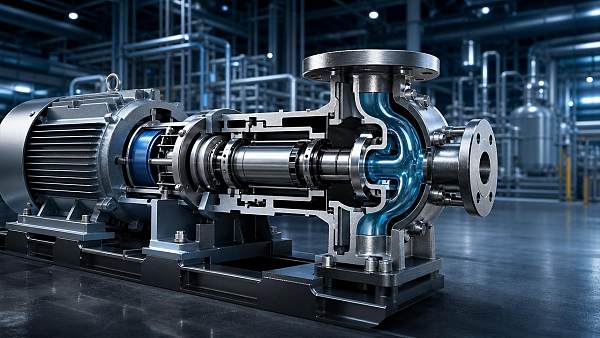
In high-load chemical pump systems, magnetic drive coupling torque has become a decisive reliability variable. Higher process intensity, stricter containment rules, and wider fluid variability are pushing torque margins into sharper focus.
When magnetic drive coupling torque is underspecified, pumps may decouple during startup, overload during viscosity changes, or generate heat across the containment shell. Each failure mode raises downtime, safety, and lifecycle cost risks.
Across the broader industrial landscape, this issue now reaches beyond pump selection. It influences maintenance planning, energy performance, materials compatibility, digital monitoring, and compliance confidence in aggressive chemical services.
Why torque limits are becoming a stronger decision signal
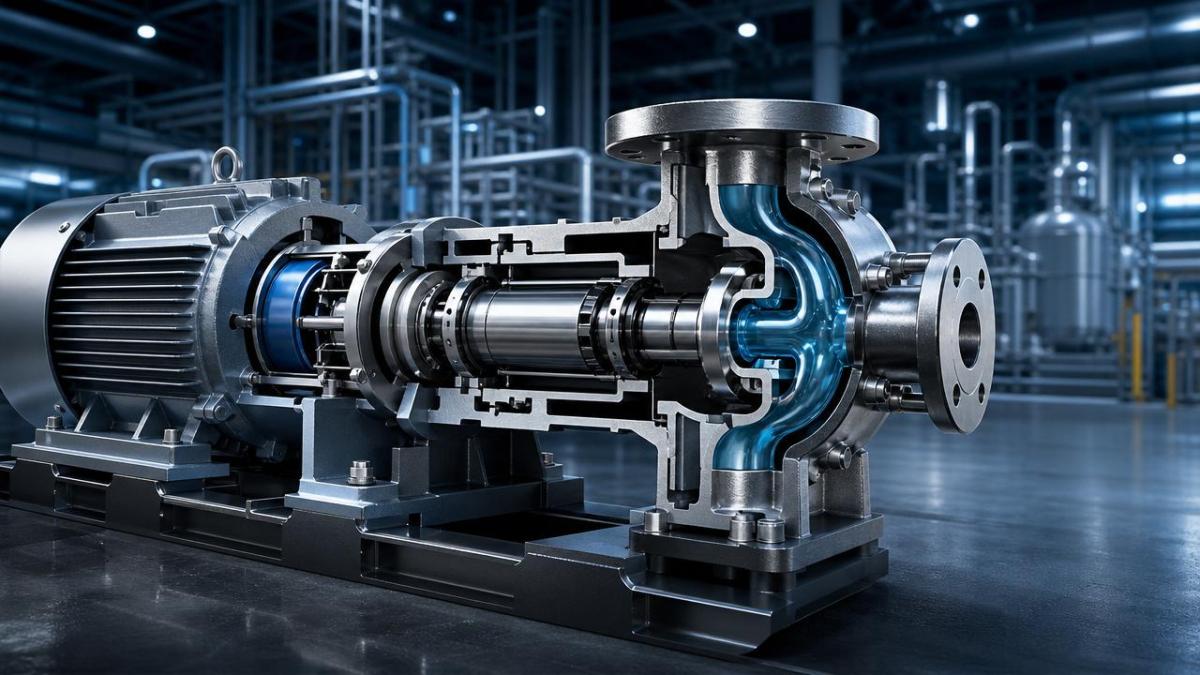
The market signal is clear: chemical systems are operating at higher duty cycles with tighter process windows. That trend makes magnetic drive coupling torque less of a catalog value and more of an operational control parameter.
Traditionally, many evaluations focused on nominal torque. Today, transient events matter more. Startup drag, crystallizing fluids, suction instability, and temperature swings can briefly exceed safe magnetic drive coupling torque limits.
This change is especially visible in zero-leakage applications. Operators prefer magnetic drive pumps for containment, but containment integrity only helps when magnetic drive coupling torque remains stable under abnormal load conditions.
As digital benchmarking expands, more facilities compare actual torque-related incidents against design assumptions. That data feedback loop is increasing scrutiny of service factors, safety margins, and coupling derating practices.
The forces driving tighter magnetic drive coupling torque requirements
Several forces are reshaping how magnetic drive coupling torque is specified in chemical pump systems. These drivers combine process complexity, materials science, and regulatory pressure.
These forces explain why the same pump can perform well in one duty and fail early in another. The difference often lies in real operating torque, not only hydraulic nameplate data.
Where torque limits usually fail in real chemical service
The most common misunderstanding is assuming magnetic drive coupling torque only matters at rated flow. In practice, failures often occur during non-steady states that create hidden torque spikes.
Startup and cold fluid conditions
Cold, viscous, or partially settled media can sharply increase resistance. If startup torque exceeds the magnetic drive coupling torque threshold, the inner and outer magnets can slip or decouple.
Unexpected solids or crystallization
Minor solid formation changes the load instantly. Even if average process data appears acceptable, short-term blockage can push magnetic drive coupling torque beyond the design window.
Off-design operation
Running too far from the best efficiency point may increase internal recirculation and thermal stress. That condition can affect bearing drag and make available magnetic drive coupling torque less predictable.
Thermal derating of magnetic components
Magnetic performance drops with temperature. If shell heating rises, usable magnetic drive coupling torque can fall exactly when hydraulic resistance is increasing, creating a dangerous compounding effect.
How this trend affects system design, operations, and risk control
The shift toward closer torque scrutiny affects multiple business and engineering layers. It changes how systems are specified, monitored, and justified over the asset lifecycle.
- Design teams must validate peak magnetic drive coupling torque, not just nominal motor output.
- Maintenance programs need indicators for slippage, rising shell temperature, and abnormal vibration.
- Energy reviews should consider whether speed changes alter the magnetic drive coupling torque safety margin.
- Compliance efforts benefit when containment safety is matched by proven torque stability.
In integrated industrial settings, the consequences can spread quickly. A single decoupling event may interrupt upstream dosing, downstream filtration, or automated control loops that depend on stable pump output.
This is why magnetic drive coupling torque increasingly appears in technical benchmarking discussions. It has become a practical indicator of whether a sealed pump design can support real process volatility.
The specification details that deserve closer attention now
A stronger evaluation framework starts by treating magnetic drive coupling torque as a system variable. It should be checked against fluid, temperature, controls, and mechanical resistance together.
Core checkpoints
- Rated torque versus maximum transient magnetic drive coupling torque demand
- Service factor applied for viscosity shifts, solids risk, and startup load
- Containment shell material and eddy current heating behavior
- Magnet grade stability across expected operating temperatures
- Bearing condition influence on drag and torque reserve
- Variable frequency drive ramp settings and acceleration profile
These checkpoints reduce the gap between laboratory curves and field performance. They also help compare similar pump options whose published magnetic drive coupling torque values may look equivalent at first glance.
What stronger judgment looks like in the next evaluation cycle
A practical response is to move from static selection to scenario-based review. Instead of asking whether torque is sufficient on paper, test whether magnetic drive coupling torque remains sufficient across foreseeable disturbances.
This method supports more resilient investment decisions. It also aligns with data-driven technical benchmarking, where actual service resilience matters more than isolated specification headlines.
Immediate priorities for reducing torque-related pump failures
The next step is disciplined action. High-load chemical pump systems benefit when magnetic drive coupling torque is reviewed as part of a broader reliability and containment strategy.
- Map real operating states, including startup, upset, and cleaning phases.
- Compare those states against available magnetic drive coupling torque with derating included.
- Track shell temperature, vibration, and power draw for early slippage detection.
- Review fluid property uncertainty, especially viscosity and solids formation risk.
- Confirm that control settings do not create avoidable torque spikes.
Where reliability, zero leakage, and lifecycle value are all critical, magnetic drive coupling torque should be treated as a frontline engineering metric. Better torque judgment leads directly to fewer shutdowns, safer containment, and more dependable chemical pumping performance.
Recommended News
 May 23, 2026Precision Gearbox Market Share Report: 2026 OutlookPrecision gearbox market share report for 2026 reveals where competitive shifts, regional demand, and application-specific performance create the best benchmarking and supplier evaluation opportunities.
 May 22, 2026Shaft Coupling Misalignment Data: Safe Tolerance LimitsShaft coupling misalignment data explained with safe tolerance limits, inspection targets, and risk controls to reduce vibration, seal failure, and costly downtime.
 May 21, 2026Slewing Drive Tilting Moment in Real Load CasesSlewing drive tilting moment explained through real load cases. Learn how to assess risk, compare designs, and improve selection accuracy for safer, longer-lasting industrial performance.
 May 21, 2026Planetary Gearbox Backlash Metrics Before You ComparePlanetary gearbox backlash metrics matter before any brand comparison. Learn how backlash affects accuracy, noise, risk, and sourcing decisions for precision motion systems.
 May 21, 2026Gearbox Thermal Power Limits and Hidden Downtime RiskGearbox thermal power limits directly affect uptime, lubricant life, and hidden downtime risk. Learn how to verify thermal margins early and make smarter buying decisions.
 May 20, 2026Planetary Reducer Wholesale: Cost Risks to Check FirstPlanetary reducer wholesale buyers: uncover hidden cost risks before you source. Learn how to compare suppliers, verify quality, reduce warranty exposure, and protect long-term ROI.
 May 20, 2026How to Read Servo Motor Torque-Speed Curves CorrectlyServo motor torque-speed curves explained clearly: learn how to compare continuous and peak torque, avoid sizing mistakes, and choose reliable motion systems with confidence.
 May 19, 2026Flexible Coupling Wholesale: Misalignment Risks and SavingsFlexible coupling wholesale guide: learn how to reduce misalignment risk, cut downtime, compare suppliers, and unlock long-term savings for smarter industrial sourcing.
 May 19, 2026Slewing Drive Manufacturer Comparison for Load ReliabilitySlewing drive manufacturer comparison starts with load reliability. Learn how to evaluate testing, sealing, fatigue life, and support across solar, mobile, marine, and automation applications.
 May 19, 2026Shaft Collar Factory Selection Mistakes That Cause DowntimeShaft collar factory selection mistakes can trigger slippage, vibration, and costly downtime. Learn how to evaluate suppliers by application to improve reliability and uptime.
 May 18, 2026Planetary Gearbox Wholesale: Cost Drivers That Impact MarginPlanetary gearbox wholesale cost drivers explained: learn how materials, precision, lead time, and supplier reliability impact margin, reduce risk, and improve sourcing decisions.
 May 14, 2026Magnetic Drive Coupling Torque Limits in High-Load Chemical Pump SystemsMagnetic drive coupling torque is critical in high-load chemical pump systems. Learn key limits, failure risks, and smarter sizing strategies to improve reliability.