Search News
Industry Portal
Popular Tags
Smart Manufacturing Trends 2026 for Industrial Automation
Author
Time
Click Count
Why Smart Manufacturing Trends 2026 for Industrial Automation Feel Different This Time
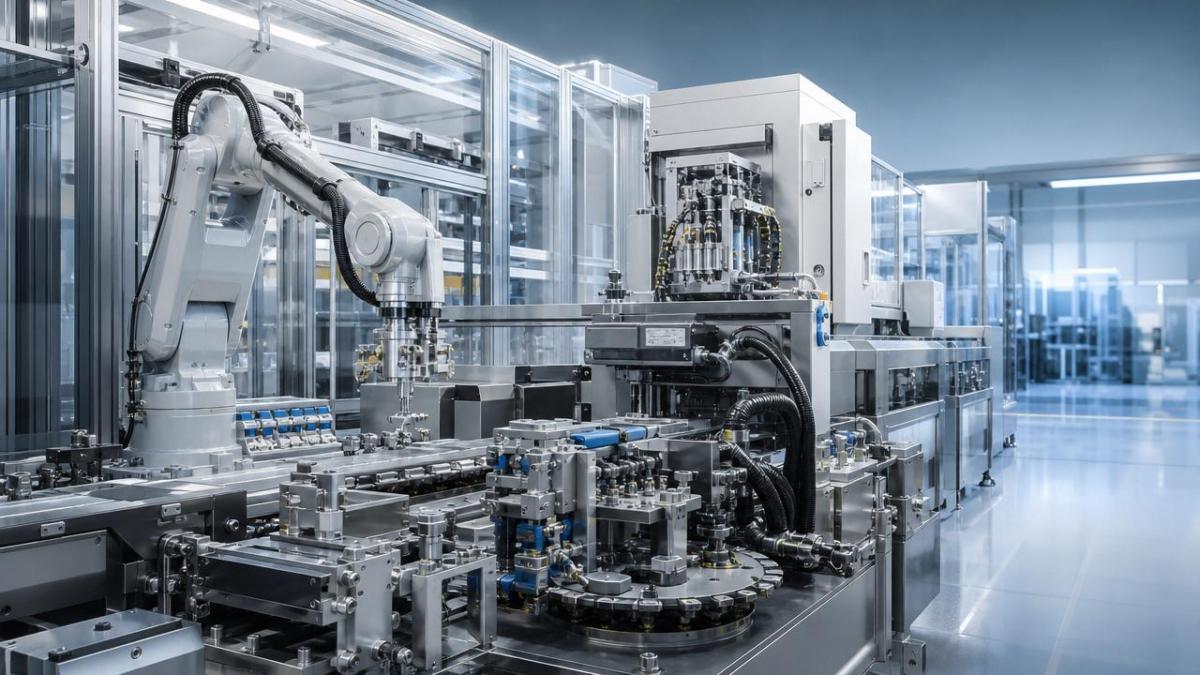
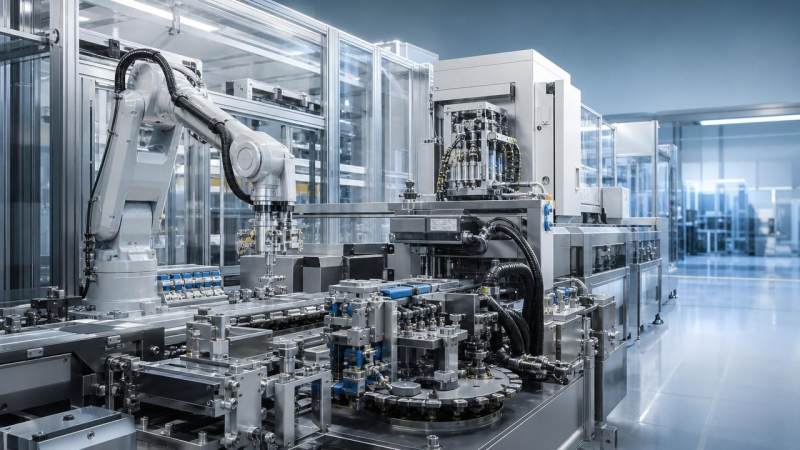
Smart manufacturing trends 2026 for industrial automation are no longer framed as optional modernization.
They are becoming a direct response to tighter supply chains, stricter compliance, and higher expectations for uptime.
What stands out now is the shift from digital ambition to measurable industrial proof.
Boards want clearer links between automation spending, process stability, and long-term resilience.
That changes the conversation across sectors, from electronics and infrastructure to chemicals, energy, and advanced materials.
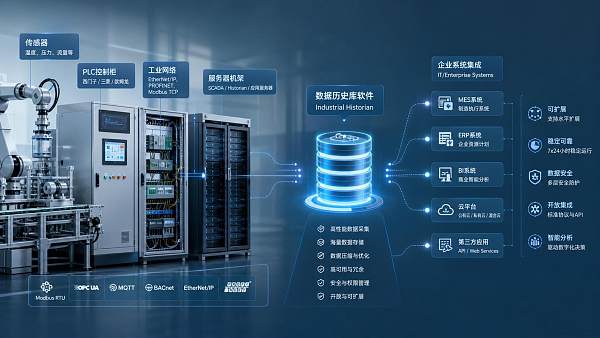
In practical terms, smart manufacturing trends 2026 for industrial automation now sit at the intersection of equipment intelligence, software visibility, and component reliability.
The strongest signal is not speed alone.
It is the ability to prove repeatability under volatile market, regulatory, and engineering conditions.
This is why multidisciplinary intelligence platforms such as G-CST are gaining relevance.
They help connect industrial software, precision motion systems, pump reliability, semiconductor equipment, and engineering materials into one decision framework.
The New Signals Are Coming From the Factory Edge, Not Only the Cloud
A few years ago, many automation roadmaps centered on connectivity and dashboards.
By 2026, the sharper signal comes from what happens at the machine, subsystem, and component level.
Factories are asking whether edge decisions can prevent drift, protect yield, and reduce exposure before defects spread.
That is especially visible in high-precision lines where micron-level motion, thermal stability, and fluid control affect output quality.
Smart manufacturing trends 2026 for industrial automation therefore favor architectures that combine local responsiveness with centralized oversight.
The result is a more layered automation stack.
Sensors do more than report status.
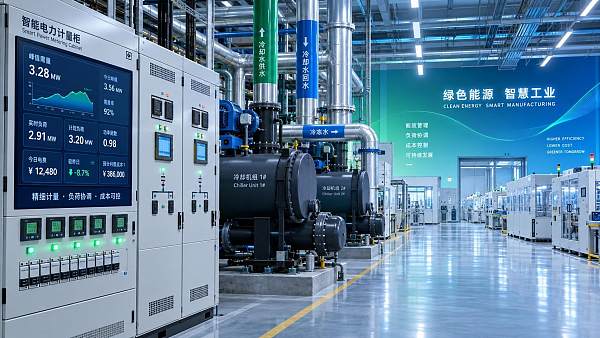
Controllers increasingly participate in predictive correction, energy balancing, and compliance logging.
- Machine-level analytics are moving closer to real-time fault isolation.
- Digital twins are shifting from design tools to operational verification assets.
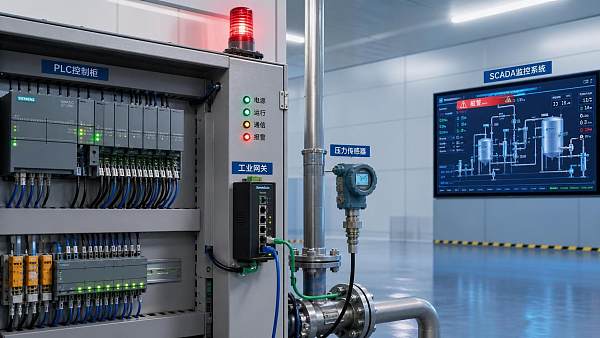
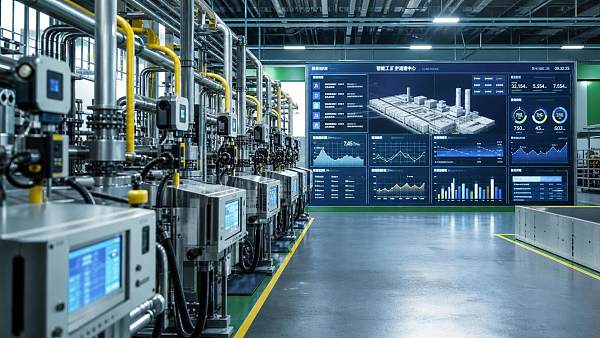
- SCADA and MES layers are being judged by interoperability, not interface polish.
- Material behavior data is becoming part of automation logic, especially in harsh environments.
This change matters because not every efficiency gain comes from adding more software.
In many plants, the bigger value comes from making control decisions closer to failure points.
Why These Trends Are Accelerating Across Multiple Industrial Pillars
The momentum behind smart manufacturing trends 2026 for industrial automation is not driven by one industry alone.
It is reinforced by several pressures that now overlap.
This explains why the market is rewarding verification, not simply innovation claims.
G-CST’s value in this environment is its ability to compare industrial components and systems against ISO, SEMI, ASME, and IEEE expectations.
That kind of benchmarking supports better judgment when the cost of a wrong assumption is rising.
Impact Is Spreading Beyond Production Lines
One common mistake is to treat smart manufacturing trends 2026 for industrial automation as a plant-floor topic only.
The actual impact is broader.
Automation decisions now influence capital planning, supplier qualification, maintenance policy, and risk governance.
For semiconductor fabrication equipment, subsystem validation is becoming more critical because process tolerances leave little room for uncertainty.
For pump and valve systems, the pressure is different.
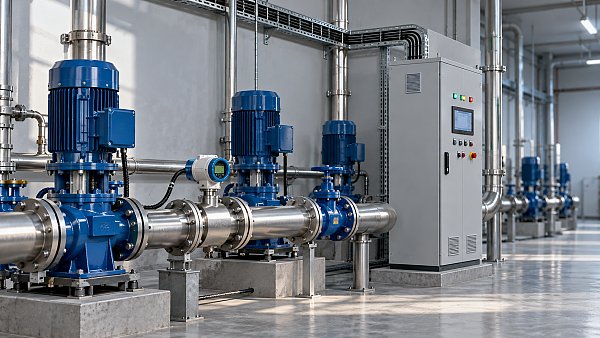
Leakage control, corrosion resistance, and duty-cycle performance increasingly shape digital monitoring priorities.
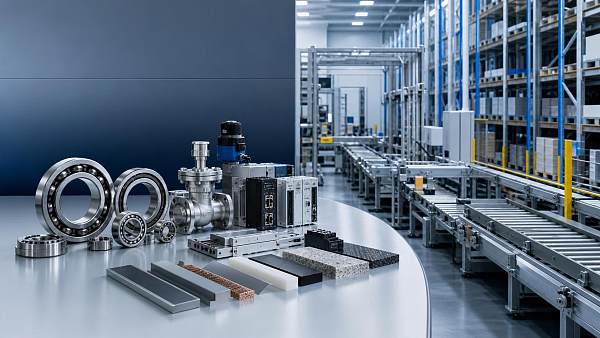
In precision motion control and bearings, the conversation is moving toward stability under continuous high-load conditions.
Industrial software and digital twins are also changing role.
They are expected to reflect operational reality, not serve as presentation layers detached from equipment physics.
Advanced engineering materials complete the picture.
As environments become hotter, cleaner, faster, or more corrosive, materials data becomes essential to automation reliability.
That is why smart manufacturing trends 2026 for industrial automation increasingly reward organizations that can connect hardware behavior with software interpretation.
What Deserves Closer Attention in 2026
From recent demand patterns, several themes deserve closer observation.
Verified interoperability is becoming a buying condition
Compatibility claims are no longer enough when production continuity depends on cross-vendor coordination.
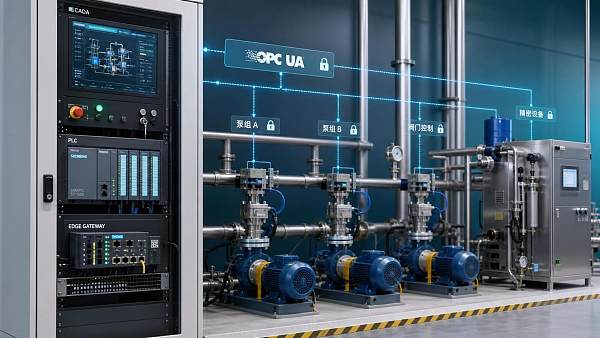
Interfaces, protocols, and update pathways need proof under live industrial conditions.
Reliability metrics are becoming more granular
Mean time between failure remains useful, but it is not sufficient.
More attention is moving toward drift patterns, contamination risk, thermal variance, and maintenance predictability.
Compliance data is entering engineering decisions earlier
Export restrictions, regional standards, and documentation requirements now affect system architecture before deployment starts.
Digital twins are being judged by business consequences
If a twin cannot improve commissioning speed, maintenance planning, or process correction, confidence fades quickly.
These priorities show that smart manufacturing trends 2026 for industrial automation are becoming sharper, more technical, and less tolerant of abstraction.
A Practical Response Starts With Better Industrial Evidence
The next step is not to chase every new platform or automation claim.
A stronger response begins by tightening how evidence is collected and compared.
- Map critical assets where precision loss causes the largest financial or compliance exposure.
- Review whether current automation data includes component-level failure signatures.
- Compare subsystem specifications against recognized standards, not marketing summaries.
- Track how software, materials, and motion systems interact under real operating loads.
- Build a phased validation plan for alternative suppliers and replacement technologies.
This is where a repository like G-CST fits naturally into the decision cycle.
Its cross-sector benchmarking helps translate scattered technical data into comparative industrial judgment.
That matters when smart manufacturing trends 2026 for industrial automation demand confidence across equipment, software, materials, and regulatory boundaries.
The Strongest 2026 Advantage Will Come From Coordinated Judgment
The deeper lesson in smart manufacturing trends 2026 for industrial automation is that isolated optimization is losing value.
Competitive advantage increasingly comes from coordinated judgment across engineering, compliance, supply continuity, and lifecycle performance.
That makes the next phase less about automation theater and more about industrial coherence.
The most useful next move is to review where current assumptions are weakest.
Check which systems lack verifiable benchmarks.
Compare whether digital visibility matches physical process risk.
Watch for shifts in standards, export controls, and material performance thresholds.
Those signals will shape which investments remain durable after 2026, and which ones age quickly.
Recommended News
 Oct 18, 2026How to reduce nuisance alarms in water treatment SCADA systemsOptimize SCADA systems for water treatment. Discover proven ways to reduce nuisance alarms, tune alarm logic, and improve operator focus without compromising treatment safeguards.
 Oct 15, 2026Can digital manufacturing solutions work with legacy factory PLCs?Explore digital manufacturing solutions for factories that work with legacy PLCs. Learn how to assess connectivity, data quality, and security before investing in integration.
 Oct 14, 2026Why Does SCADA Data Differ from Field Device Readings?Why does SCADA data fail to match field device readings? Discover common scaling, timing, and communication errors, plus practical checks to pinpoint mismatches and avoid unnecessary calibration.
 Oct 03, 2026How IoT integration for smart agriculture reduces irrigation wasteIoT integration for smart agriculture cuts irrigation waste with soil, weather, flow, and pressure data—helping farms automate smarter watering and detect leaks early.
 Sep 24, 2026How Zigbee mesh latency affects smart hotel guest room controlsSmart hotel Zigbee mesh latency can shape guest comfort and system reliability. Learn how to design, test, and optimize responsive hotel room controls.
![]() Oct 15, 2026How Much Does Industrial Automation Software Implementation Cost?How much does industrial automation software implementation cost? Explore project pricing, key cost drivers, hidden expenses, and smart budgeting strategies.
Oct 15, 2026How Much Does Industrial Automation Software Implementation Cost?How much does industrial automation software implementation cost? Explore project pricing, key cost drivers, hidden expenses, and smart budgeting strategies. Sep 11, 2026How edge processing latency affects real-time SCADA alarmsEdge processing latency can make or break real-time SCADA alarms. Learn how to benchmark delay, improve alarm integrity, and build resilient response paths.
 Sep 09, 2026How energy management analytics uncovers avoidable peak-demand costsEnergy management analytics reveals avoidable peak-demand costs, identifies controllable load spikes, and helps finance teams cut utility charges with confidence.
 Aug 31, 2026How SCADA data polling frequency affects alarm response timeSCADA data polling frequency directly shapes alarm response time. Learn how scan rates, latency, delays, and network behavior affect reliable detection.
 Aug 29, 2026When open source industrial OPC UA is the right fit for SCADA integrationOpen source industrial OPC UA for SCADA integration: explore interoperability, security, lifecycle ownership, and evaluation steps for scalable multi-vendor operations.
 Aug 12, 2026How to Scope an Industrial Cybersecurity Risk Assessment for SCADA and IIoT SystemsIndustrial cybersecurity risk assessment for SCADA and IIoT starts with the right scope. Learn how to define boundaries, map consequences, and uncover hidden attack paths.
 Aug 06, 2026How to Evaluate Data Historian Software for Automation Integration and ScalingData historian software for automation: learn how to evaluate integration, scalability, data integrity, and security to choose a platform that supports growth and smarter decisions.
 Jul 31, 2026How Smart Hotel AI Helps Reduce Energy Costs Without Hurting Guest ExperienceSmart hotel AI helps hotels cut energy costs by controlling HVAC, lighting, and occupancy-based settings—without hurting guest comfort. Learn what to check before you buy.
 Jul 30, 2026How Industrial Digitization for Electronics Cuts Downtime in High-Mix ProductionIndustrial Digitization for electronics helps high-mix manufacturers cut downtime by improving changeovers, traceability, maintenance response, and line decisions. Learn where digital tools deliver the fastest ROI.
 Jul 22, 2026Supply Chain Resilience Risk Management: Key Metrics and Response PlansSupply Chain Resilience risk management explained with key metrics, scenario-based thresholds, and response plans to reduce disruption, qualification delays, and hidden supply risk.
 Jul 15, 2026Energy Software for Manufacturing Plants: Cost Savings vs Integration RiskEnergy software for manufacturing plants can cut utility waste, but only if savings outweigh integration risk. Learn how to evaluate ROI, data quality, cybersecurity, and rollout fit.
 Jul 14, 2026Fintech in 2026: Which Operating Trends Matter Most for Growth PlanningFintech in 2026 is shifting from rapid expansion to governed scale. Explore the key trends shaping growth planning, from embedded finance and AI risk controls to resilience and compliance.
 Jul 13, 2026When Data Historian Software for Manufacturing Delivers ROIData historian software for manufacturing delivers ROI by reducing downtime, improving quality, and speeding compliance. See how to evaluate value before you buy.
 Jul 13, 20265G IIoT Gateway Wholesale: Key Specs That Affect Deployment Cost5g iiot gateway wholesale decisions should go beyond unit price. Learn which specs cut deployment cost, reduce integration risk, and improve long-term industrial ROI.
 Jul 11, 2026SCADA Systems in the Middle East: Key Compliance and Integration ChecksSCADA Systems Middle East projects need more than features. Discover key compliance, cybersecurity, and integration checks to reduce risk, protect uptime, and choose the right platform.
 Jul 09, 2026Industrial Technology Platform Pricing: What Drives Total Cost Beyond the LicenseIndustrial technology platform pricing goes far beyond the license. Learn the hidden cost drivers—integration, compliance, scalability, and support—to make smarter buying decisions.
 Jul 09, 2026Industrial Standards Compliance for Electronics: Key Gaps That Delay Market AccessIndustrial standards compliance for electronics often stalls market access due to hidden gaps in testing, traceability, supplier records, and regional rules. Learn how to spot risks early and accelerate certification.
 Jul 08, 2026IT Infrastructure Gaps That Slow Industrial GrowthIT infrastructure gaps can quietly slow industrial growth, raise risk, and weaken supply chains. Learn which issues matter most and how to fix them for faster, smarter scaling.
 Jul 06, 2026Open Source Industrial SCADA: Key Risks, Benefits, and FitOpen source industrial SCADA: explore key benefits, cybersecurity risks, costs, and best-fit use cases to see if it can support reliable, scalable industrial operations.