Search News
Industry Portal
Popular Tags
IoT Integration Solutions for Smart City Upgrades
Author
Time
Click Count
IoT Integration Solutions for Smart City Upgrades Are Moving From Pilot to Core Infrastructure
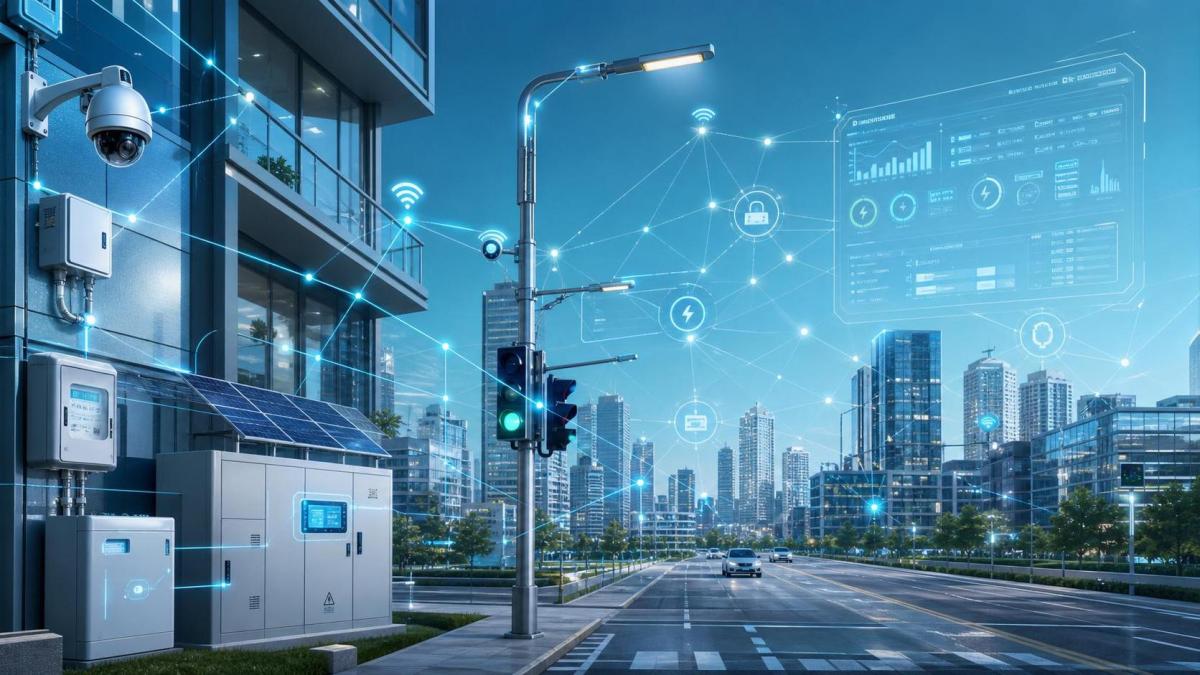
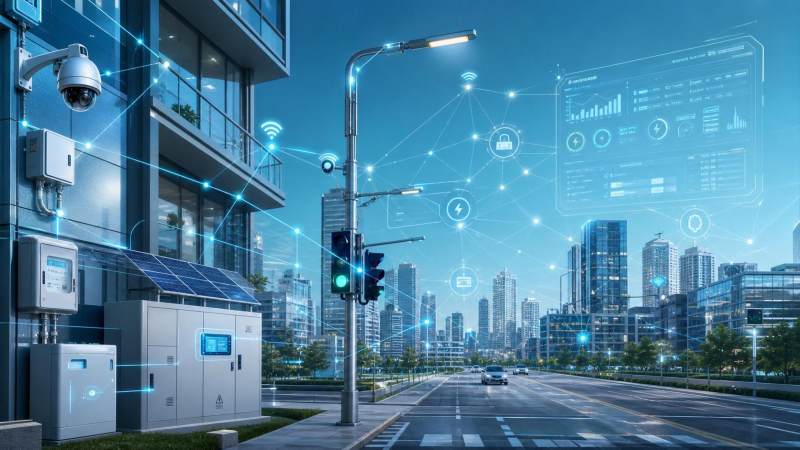
IoT integration solutions for smart cities are no longer framed as experimental digital projects.
They are increasingly treated as operational infrastructure for transport, utilities, buildings, safety, and environmental management.
That shift matters because urban upgrades now face stricter cost controls, higher resilience expectations, and more fragmented technology estates.
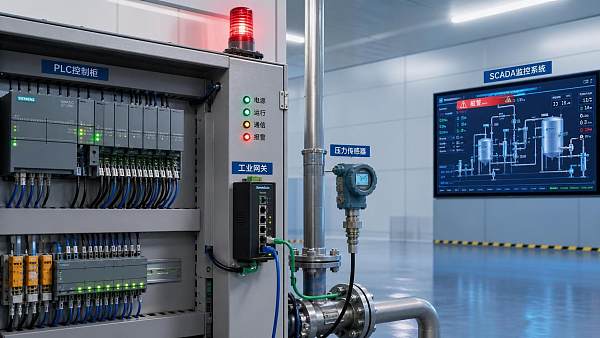
A city may already run SCADA, CCTV, metering, traffic control, and asset systems, yet still lack usable coordination across them.
This is where IoT integration solutions for smart cities gain strategic value.
The real advantage is not sensor volume alone.
It is the ability to connect devices, software, and analytics into a governed ecosystem that supports faster decisions and lower operational blind spots.
From the perspective of G-CST, this change also reflects a broader industrial pattern.
Infrastructure owners now evaluate digital upgrades with the same discipline used in advanced manufacturing, reliability engineering, and standards-based procurement.
Why the Market Signal Is Getting Stronger Now
Several forces are converging, and together they explain why demand for IoT integration solutions for smart cities is becoming more deliberate.
One visible change is the move away from isolated dashboards.
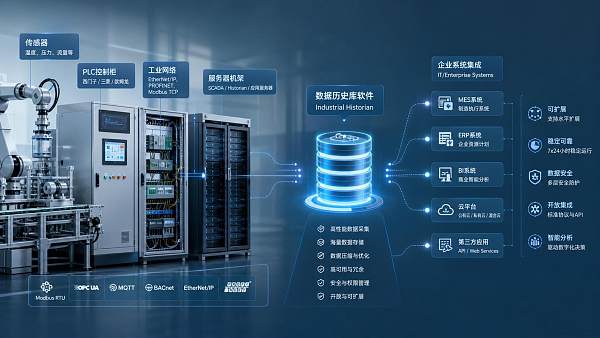
Operators want shared data models that link field devices with enterprise systems, maintenance workflows, and planning layers.
Another signal comes from asset density.
Urban networks now include more connected pumps, valves, meters, cameras, motion systems, HVAC units, and distributed energy components.
As hardware estates grow, integration becomes the real bottleneck.
At the same time, regulatory scrutiny is rising.
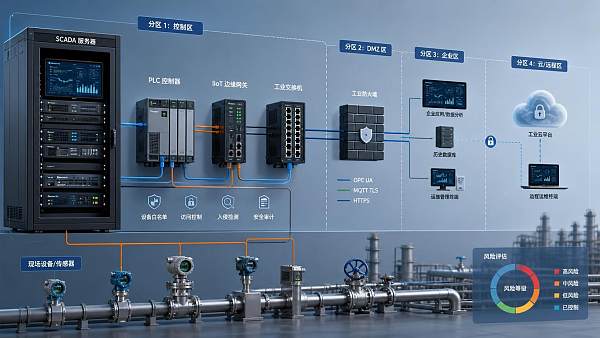
Cybersecurity, data sovereignty, uptime obligations, and environmental reporting are pushing organizations toward traceable architectures rather than patchwork deployments.
More importantly, these signals are appearing across sectors, not just in headline smart city programs.
The New Demand Is Less About Devices and More About Interoperability
In earlier smart city cycles, procurement often centered on endpoints.
Today, the conversation is shifting toward middleware, edge orchestration, cybersecurity layers, and digital twin compatibility.
That is a meaningful change because it alters how value is defined.
IoT integration solutions for smart cities now need to support old and new systems at the same time.
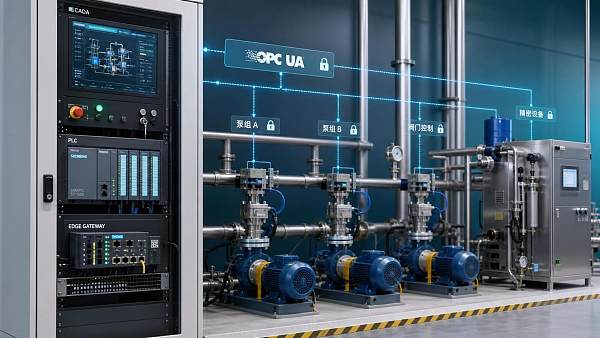
A water network may use specialized pump and valve systems from different generations.
A transit corridor may combine video, passenger flow sensors, motion control components, and signal infrastructure from multiple vendors.
A district energy system may require links between building management platforms and grid-facing assets.
The upgrade challenge is therefore architectural, not merely digital.
This is also where G-CST’s industrial lens becomes useful.
When integration decisions are informed by component reliability, export control exposure, material performance, and benchmarking data, deployment quality improves materially.
What buyers increasingly screen for
- Protocol flexibility across SCADA, BMS, EMS, and fieldbus environments
- Edge processing for low-latency control and reduced bandwidth dependence
- Cybersecurity controls aligned with critical infrastructure obligations
- Data governance that supports auditability and cross-department use
- Lifecycle support for mixed fleets of legacy and next-generation equipment
Impact Is Spreading Across More Than One Urban System
The effect of IoT integration solutions for smart cities is not limited to a single control room.
It changes how information travels between physical assets, service teams, planners, and finance functions.
From recent deployment patterns, three impacts stand out.
Operations become more event-driven
Integrated telemetry helps teams respond to pressure changes, thermal deviations, vibration patterns, or traffic anomalies before failure escalates.
Capital planning becomes more evidence-based
When asset behavior is visible over time, refurbishment and expansion decisions can be prioritized by risk, utilization, and service impact.
Compliance becomes more measurable
Environmental thresholds, maintenance records, and performance logs are easier to trace when data flows are unified.
This matters in sectors where reliability frameworks are tightening.
For complex infrastructure, that traceability can influence insurance discussions, concession reviews, and future funding cases.
What Often Slows Smart City Integration in Practice
The market opportunity is clear, but the hard part is not usually concept approval.
It is execution under real operational constraints.
In practice, IoT integration solutions for smart cities often stall for reasons that are highly industrial rather than purely digital.
- Field hardware varies in age, protocol support, and environmental durability
- System integrators may optimize software while underestimating mechanical or electrical dependencies
- Data quality drops when sensors are poorly calibrated or maintenance cycles lag
- Cross-border components can introduce supply risk and certification delays
- Governance weakens when ownership of data, alerts, and response actions is unclear
This is why urban integration increasingly resembles industrial modernization.
The strongest projects do not treat sensors, software, materials, and control logic as separate decisions.
They evaluate them as one performance chain.
The Next Competitive Edge Will Come From Trusted Integration Layers
A notable market shift is that differentiation is moving upward in the stack.
Raw connectivity is becoming easier to access.
What remains difficult is building a trusted integration layer that can absorb multi-vendor assets and still deliver reliable outcomes.
That trusted layer increasingly depends on four conditions.
This is one reason industrial software and digital twins are increasingly discussed alongside sensors and connectivity.
The upgrade path is no longer just to monitor assets.
It is to understand how infrastructure behaves under stress, demand shifts, and maintenance constraints.
Where to Focus Before the Next Upgrade Cycle
For organizations reviewing IoT integration solutions for smart cities, the immediate priority is not to expand everywhere at once.
It is to define where integration will change operational outcomes fastest.
That usually starts with systems where downtime, manual reconciliation, or compliance exposure is already visible.
A practical path is to compare use cases through an engineering and governance lens, not only a software lens.
- Map which assets generate critical data but remain isolated from enterprise workflows
- Review whether current platforms can support interoperable expansion without custom overload
- Check component reliability against relevant ISO, ASME, SEMI, or IEEE expectations where applicable
- Assess supply resilience for sensors, controllers, networking modules, and replacement parts
- Build phased integration plans with measurable service, resilience, and maintenance targets
The broader direction is becoming clearer.
Smart city upgrades will increasingly reward those who treat integration as a long-horizon infrastructure discipline.
The organizations that move well will be the ones that combine digital ambition with verifiable engineering judgment.
That is also the most durable way to align urban modernization with performance, resilience, and regulatory confidence.
Recommended News
 Oct 18, 2026How to reduce nuisance alarms in water treatment SCADA systemsOptimize SCADA systems for water treatment. Discover proven ways to reduce nuisance alarms, tune alarm logic, and improve operator focus without compromising treatment safeguards.
 Oct 15, 2026Can digital manufacturing solutions work with legacy factory PLCs?Explore digital manufacturing solutions for factories that work with legacy PLCs. Learn how to assess connectivity, data quality, and security before investing in integration.
 Oct 14, 2026Why Does SCADA Data Differ from Field Device Readings?Why does SCADA data fail to match field device readings? Discover common scaling, timing, and communication errors, plus practical checks to pinpoint mismatches and avoid unnecessary calibration.
 Oct 03, 2026How IoT integration for smart agriculture reduces irrigation wasteIoT integration for smart agriculture cuts irrigation waste with soil, weather, flow, and pressure data—helping farms automate smarter watering and detect leaks early.
 Sep 24, 2026How Zigbee mesh latency affects smart hotel guest room controlsSmart hotel Zigbee mesh latency can shape guest comfort and system reliability. Learn how to design, test, and optimize responsive hotel room controls.
![]() Oct 15, 2026How Much Does Industrial Automation Software Implementation Cost?How much does industrial automation software implementation cost? Explore project pricing, key cost drivers, hidden expenses, and smart budgeting strategies.
Oct 15, 2026How Much Does Industrial Automation Software Implementation Cost?How much does industrial automation software implementation cost? Explore project pricing, key cost drivers, hidden expenses, and smart budgeting strategies. Sep 11, 2026How edge processing latency affects real-time SCADA alarmsEdge processing latency can make or break real-time SCADA alarms. Learn how to benchmark delay, improve alarm integrity, and build resilient response paths.
 Sep 09, 2026How energy management analytics uncovers avoidable peak-demand costsEnergy management analytics reveals avoidable peak-demand costs, identifies controllable load spikes, and helps finance teams cut utility charges with confidence.
 Aug 31, 2026How SCADA data polling frequency affects alarm response timeSCADA data polling frequency directly shapes alarm response time. Learn how scan rates, latency, delays, and network behavior affect reliable detection.
 Aug 29, 2026When open source industrial OPC UA is the right fit for SCADA integrationOpen source industrial OPC UA for SCADA integration: explore interoperability, security, lifecycle ownership, and evaluation steps for scalable multi-vendor operations.
 Aug 12, 2026How to Scope an Industrial Cybersecurity Risk Assessment for SCADA and IIoT SystemsIndustrial cybersecurity risk assessment for SCADA and IIoT starts with the right scope. Learn how to define boundaries, map consequences, and uncover hidden attack paths.
 Aug 06, 2026How to Evaluate Data Historian Software for Automation Integration and ScalingData historian software for automation: learn how to evaluate integration, scalability, data integrity, and security to choose a platform that supports growth and smarter decisions.
 Jul 31, 2026How Smart Hotel AI Helps Reduce Energy Costs Without Hurting Guest ExperienceSmart hotel AI helps hotels cut energy costs by controlling HVAC, lighting, and occupancy-based settings—without hurting guest comfort. Learn what to check before you buy.
 Jul 30, 2026How Industrial Digitization for Electronics Cuts Downtime in High-Mix ProductionIndustrial Digitization for electronics helps high-mix manufacturers cut downtime by improving changeovers, traceability, maintenance response, and line decisions. Learn where digital tools deliver the fastest ROI.
 Jul 22, 2026Supply Chain Resilience Risk Management: Key Metrics and Response PlansSupply Chain Resilience risk management explained with key metrics, scenario-based thresholds, and response plans to reduce disruption, qualification delays, and hidden supply risk.
 Jul 15, 2026Energy Software for Manufacturing Plants: Cost Savings vs Integration RiskEnergy software for manufacturing plants can cut utility waste, but only if savings outweigh integration risk. Learn how to evaluate ROI, data quality, cybersecurity, and rollout fit.
 Jul 14, 2026Fintech in 2026: Which Operating Trends Matter Most for Growth PlanningFintech in 2026 is shifting from rapid expansion to governed scale. Explore the key trends shaping growth planning, from embedded finance and AI risk controls to resilience and compliance.
 Jul 13, 2026When Data Historian Software for Manufacturing Delivers ROIData historian software for manufacturing delivers ROI by reducing downtime, improving quality, and speeding compliance. See how to evaluate value before you buy.
 Jul 13, 20265G IIoT Gateway Wholesale: Key Specs That Affect Deployment Cost5g iiot gateway wholesale decisions should go beyond unit price. Learn which specs cut deployment cost, reduce integration risk, and improve long-term industrial ROI.
 Jul 11, 2026SCADA Systems in the Middle East: Key Compliance and Integration ChecksSCADA Systems Middle East projects need more than features. Discover key compliance, cybersecurity, and integration checks to reduce risk, protect uptime, and choose the right platform.
 Jul 09, 2026Industrial Technology Platform Pricing: What Drives Total Cost Beyond the LicenseIndustrial technology platform pricing goes far beyond the license. Learn the hidden cost drivers—integration, compliance, scalability, and support—to make smarter buying decisions.
 Jul 09, 2026Industrial Standards Compliance for Electronics: Key Gaps That Delay Market AccessIndustrial standards compliance for electronics often stalls market access due to hidden gaps in testing, traceability, supplier records, and regional rules. Learn how to spot risks early and accelerate certification.
 Jul 08, 2026IT Infrastructure Gaps That Slow Industrial GrowthIT infrastructure gaps can quietly slow industrial growth, raise risk, and weaken supply chains. Learn which issues matter most and how to fix them for faster, smarter scaling.
 Jul 06, 2026Open Source Industrial SCADA: Key Risks, Benefits, and FitOpen source industrial SCADA: explore key benefits, cybersecurity risks, costs, and best-fit use cases to see if it can support reliable, scalable industrial operations.