Search News
Industry Portal
Popular Tags
Benchmarking for Smart Hotels: Metrics That Matter

Author
Time
Click Count
Benchmarking for Smart Hotels: Metrics That Matter
Benchmarking for smart hotels is no longer limited to guest satisfaction scores or occupancy rates; it now requires a disciplined view of digital infrastructure, automation reliability, energy performance, cybersecurity, and vendor resilience.
For business evaluators, the real challenge is identifying which metrics reveal long-term operational value rather than short-term technology appeal.
This article outlines the key performance indicators that help compare smart hotel investments with greater confidence, linking technical capability to commercial outcomes, risk control, and sustainable competitiveness.
Defining Benchmarking for Smart Hotels
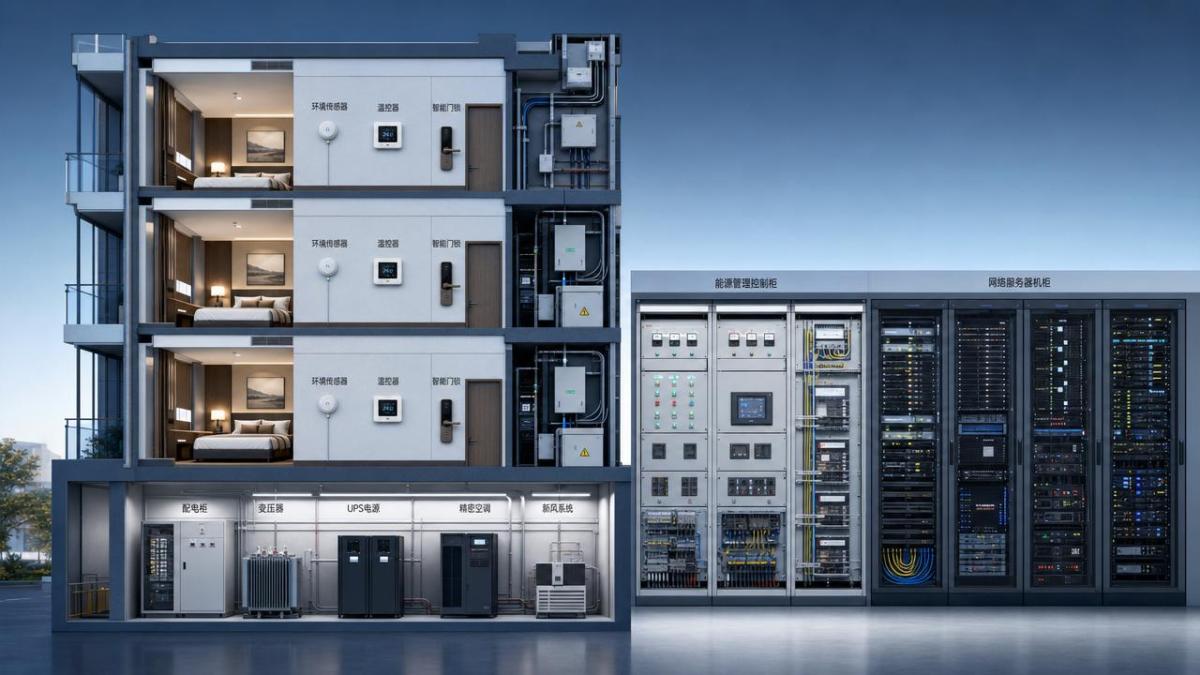
Benchmarking for smart hotels means comparing properties, systems, and operating models through measurable indicators tied to digital performance and service consistency.
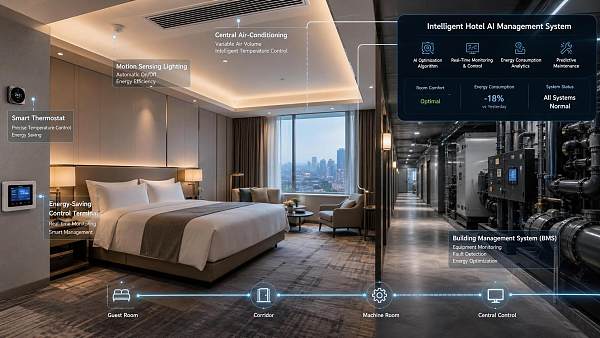
It evaluates how connected rooms, energy systems, security platforms, booking tools, and maintenance workflows perform under real operating conditions.
The purpose is not to rank technology by novelty. It is to identify measurable contribution to reliability, cost control, guest experience, and asset value.
Effective benchmarking for smart hotels combines hospitality metrics with infrastructure indicators normally associated with industrial systems and enterprise software.
This broader view is essential because smart hotel performance depends on integration, uptime, interoperability, data quality, and supplier continuity.
A useful benchmark should therefore connect front-end service outcomes with back-end technical evidence.
Industry Signals Shaping Smart Hotel Evaluation
The hospitality sector is adopting automation, IoT, AI analytics, and cloud platforms at different speeds across regions and property types.
This uneven adoption makes benchmarking for smart hotels important for comparing investment maturity and operational readiness.
These signals show why benchmarking for smart hotels must include technical, financial, and risk-based indicators.
A hotel may appear advanced through visible automation, yet still underperform if systems are unstable, fragmented, or expensive to maintain.
Core Metrics That Connect Technology to Outcomes
High-quality benchmarking for smart hotels starts with a balanced metric set. Each metric should be measurable, comparable, and linked to business outcomes.
Digital Infrastructure Reliability
Smart rooms, access control, payment systems, and building automation depend on stable connectivity and platform uptime.
- Network uptime across guest, staff, and operational systems.
- Average response time for connected room controls.
- Failure frequency for IoT devices and gateways.
- Mean time to repair critical digital services.
In benchmarking for smart hotels, infrastructure reliability often explains why similar technologies produce different guest and cost outcomes.
Energy and Environmental Performance
Energy intelligence is one of the clearest areas where smart hotel investments can be quantified.
- Energy consumption per available room.
- Energy consumption per occupied room.
- HVAC optimization savings compared with baseline.
- Peak-load reduction during high-demand periods.
- Water consumption per guest night.
Benchmarking for smart hotels should separate seasonal variation from actual efficiency gains. Weather, occupancy, and property age must be normalized.
Guest Experience and Digital Adoption
Guest satisfaction remains important, but it should be connected to specific digital touchpoints.
- Mobile check-in adoption rate.
- Digital key success rate.
- Average service request resolution time.
- Room control error rate.
- Personalization acceptance rate.
The strongest benchmarking for smart hotels links adoption metrics with satisfaction, repeat bookings, and reduced service friction.
Operational Productivity
Automation should improve staff productivity without reducing service quality or increasing hidden support work.
- Automated task share by department.
- Housekeeping routing efficiency.
- Maintenance tickets prevented by predictive alerts.
- Manual overrides required per system.
- Training hours needed for digital tools.
Benchmarking for smart hotels should measure whether automation reduces workload or simply moves complexity to another team.
Cybersecurity, Data Quality, and Compliance Metrics
Smart hotels process identity data, payment information, behavioral data, access credentials, and operational logs.
This makes cybersecurity a central element of benchmarking for smart hotels, not a separate technical afterthought.
Data quality also matters because analytics are only useful when inputs are complete, consistent, and traceable.
Weak data creates misleading dashboards. Strong benchmarking for smart hotels checks both the metric output and the underlying data process.
Vendor Resilience and Interoperability Benchmarks
Smart hotel systems are rarely supplied by one provider. They involve property management, building controls, payment, access, energy, and analytics platforms.
Benchmarking for smart hotels should assess whether these systems can communicate, scale, and remain supportable across the asset lifecycle.
- API availability and documentation quality.
- Support response time by severity level.
- Contract exit terms and data portability.
- Compatibility with open standards.
- Upgrade frequency and backward compatibility.
- Regional service coverage and spare availability.
Vendor resilience is especially important when digital systems control mission-critical guest access, comfort, security, and revenue processes.
In mature benchmarking for smart hotels, a low upfront price is weighed against lock-in risk, support depth, and integration cost.
Typical Benchmarking Objects and Comparison Layers
A complete assessment compares more than entire properties. It examines assets, platforms, workflows, and governance practices separately.
This layered approach prevents narrow conclusions. It also helps identify whether weaknesses come from hardware, software, process, or governance.
Benchmarking for smart hotels becomes more useful when every layer has defined baselines and comparable evidence.
Practical Framework for Building a Benchmark
A reliable framework should be simple enough to apply, yet disciplined enough to support investment decisions.
- Define the property category, service model, and technology scope.
- Establish baseline data before new systems are introduced.
- Normalize results for occupancy, seasonality, location, and building age.
- Separate pilot performance from full-scale operating performance.
- Measure total cost, including integration, training, support, and upgrades.
- Review cybersecurity, compliance, and supplier continuity evidence.
- Convert technical metrics into financial and operational implications.
Benchmarking for smart hotels should avoid isolated dashboard numbers. Metrics need context, ownership, and a review cycle.
A monthly review may suit energy and maintenance data. Cybersecurity and vendor risk may require event-based reviews as well.
Common Mistakes to Avoid
Many smart hotel assessments fail because they overvalue visible features and undervalue operational evidence.
- Using occupancy alone as a proxy for smart performance.
- Ignoring integration failures between core systems.
- Comparing properties without normalizing environmental factors.
- Measuring adoption without measuring service outcomes.
- Accepting vendor claims without operational records.
- Overlooking lifecycle cost and contract exit constraints.
Benchmarking for smart hotels must distinguish between installed technology and proven operational capability.
A connected thermostat, digital key, or AI chatbot is only valuable when it improves reliability, efficiency, or guest confidence.
Business Value of Evidence-Based Comparison
Evidence-based comparison helps translate smart hotel investment into measurable business value.
It supports capital planning, vendor selection, renovation priorities, operational improvement, and portfolio-level governance.
Benchmarking for smart hotels also creates a common language between finance, operations, technology, sustainability, and risk functions.
This common language reduces decision bias. It makes technology choices easier to compare across properties, regions, and development stages.
The strongest benchmarks reveal where digital investment protects margins, strengthens service resilience, and improves asset competitiveness.
Next Steps for a Smarter Benchmarking Program
Begin with a limited metric set covering reliability, energy, guest adoption, cybersecurity, productivity, and vendor resilience.
Then expand the benchmark as data quality improves and operating patterns become clearer.
Benchmarking for smart hotels works best when supported by verified records, consistent definitions, and periodic reassessment.
Organizations seeking higher confidence can align internal metrics with recognized frameworks for security, building performance, and digital governance.
A disciplined benchmark turns smart hotel technology from a feature checklist into a measurable operating advantage.
Use benchmarking for smart hotels as a practical decision tool: define baselines, compare evidence, identify gaps, and prioritize improvements with measurable impact.
Recommended News
 Oct 18, 2026How to reduce nuisance alarms in water treatment SCADA systemsOptimize SCADA systems for water treatment. Discover proven ways to reduce nuisance alarms, tune alarm logic, and improve operator focus without compromising treatment safeguards.
 Oct 15, 2026Can digital manufacturing solutions work with legacy factory PLCs?Explore digital manufacturing solutions for factories that work with legacy PLCs. Learn how to assess connectivity, data quality, and security before investing in integration.
 Oct 14, 2026Why Does SCADA Data Differ from Field Device Readings?Why does SCADA data fail to match field device readings? Discover common scaling, timing, and communication errors, plus practical checks to pinpoint mismatches and avoid unnecessary calibration.
 Oct 03, 2026How IoT integration for smart agriculture reduces irrigation wasteIoT integration for smart agriculture cuts irrigation waste with soil, weather, flow, and pressure data—helping farms automate smarter watering and detect leaks early.
 Sep 24, 2026How Zigbee mesh latency affects smart hotel guest room controlsSmart hotel Zigbee mesh latency can shape guest comfort and system reliability. Learn how to design, test, and optimize responsive hotel room controls.
![]() Oct 15, 2026How Much Does Industrial Automation Software Implementation Cost?How much does industrial automation software implementation cost? Explore project pricing, key cost drivers, hidden expenses, and smart budgeting strategies.
Oct 15, 2026How Much Does Industrial Automation Software Implementation Cost?How much does industrial automation software implementation cost? Explore project pricing, key cost drivers, hidden expenses, and smart budgeting strategies. Sep 11, 2026How edge processing latency affects real-time SCADA alarmsEdge processing latency can make or break real-time SCADA alarms. Learn how to benchmark delay, improve alarm integrity, and build resilient response paths.
 Sep 09, 2026How energy management analytics uncovers avoidable peak-demand costsEnergy management analytics reveals avoidable peak-demand costs, identifies controllable load spikes, and helps finance teams cut utility charges with confidence.
 Aug 31, 2026How SCADA data polling frequency affects alarm response timeSCADA data polling frequency directly shapes alarm response time. Learn how scan rates, latency, delays, and network behavior affect reliable detection.
 Aug 29, 2026When open source industrial OPC UA is the right fit for SCADA integrationOpen source industrial OPC UA for SCADA integration: explore interoperability, security, lifecycle ownership, and evaluation steps for scalable multi-vendor operations.
 Aug 12, 2026How to Scope an Industrial Cybersecurity Risk Assessment for SCADA and IIoT SystemsIndustrial cybersecurity risk assessment for SCADA and IIoT starts with the right scope. Learn how to define boundaries, map consequences, and uncover hidden attack paths.
 Aug 06, 2026How to Evaluate Data Historian Software for Automation Integration and ScalingData historian software for automation: learn how to evaluate integration, scalability, data integrity, and security to choose a platform that supports growth and smarter decisions.
 Jul 31, 2026How Smart Hotel AI Helps Reduce Energy Costs Without Hurting Guest ExperienceSmart hotel AI helps hotels cut energy costs by controlling HVAC, lighting, and occupancy-based settings—without hurting guest comfort. Learn what to check before you buy.
 Jul 30, 2026How Industrial Digitization for Electronics Cuts Downtime in High-Mix ProductionIndustrial Digitization for electronics helps high-mix manufacturers cut downtime by improving changeovers, traceability, maintenance response, and line decisions. Learn where digital tools deliver the fastest ROI.
 Jul 22, 2026Supply Chain Resilience Risk Management: Key Metrics and Response PlansSupply Chain Resilience risk management explained with key metrics, scenario-based thresholds, and response plans to reduce disruption, qualification delays, and hidden supply risk.
 Jul 15, 2026Energy Software for Manufacturing Plants: Cost Savings vs Integration RiskEnergy software for manufacturing plants can cut utility waste, but only if savings outweigh integration risk. Learn how to evaluate ROI, data quality, cybersecurity, and rollout fit.
 Jul 14, 2026Fintech in 2026: Which Operating Trends Matter Most for Growth PlanningFintech in 2026 is shifting from rapid expansion to governed scale. Explore the key trends shaping growth planning, from embedded finance and AI risk controls to resilience and compliance.
 Jul 13, 2026When Data Historian Software for Manufacturing Delivers ROIData historian software for manufacturing delivers ROI by reducing downtime, improving quality, and speeding compliance. See how to evaluate value before you buy.
 Jul 13, 20265G IIoT Gateway Wholesale: Key Specs That Affect Deployment Cost5g iiot gateway wholesale decisions should go beyond unit price. Learn which specs cut deployment cost, reduce integration risk, and improve long-term industrial ROI.
 Jul 11, 2026SCADA Systems in the Middle East: Key Compliance and Integration ChecksSCADA Systems Middle East projects need more than features. Discover key compliance, cybersecurity, and integration checks to reduce risk, protect uptime, and choose the right platform.
 Jul 09, 2026Industrial Technology Platform Pricing: What Drives Total Cost Beyond the LicenseIndustrial technology platform pricing goes far beyond the license. Learn the hidden cost drivers—integration, compliance, scalability, and support—to make smarter buying decisions.
 Jul 09, 2026Industrial Standards Compliance for Electronics: Key Gaps That Delay Market AccessIndustrial standards compliance for electronics often stalls market access due to hidden gaps in testing, traceability, supplier records, and regional rules. Learn how to spot risks early and accelerate certification.
 Jul 08, 2026IT Infrastructure Gaps That Slow Industrial GrowthIT infrastructure gaps can quietly slow industrial growth, raise risk, and weaken supply chains. Learn which issues matter most and how to fix them for faster, smarter scaling.
 Jul 06, 2026Open Source Industrial SCADA: Key Risks, Benefits, and FitOpen source industrial SCADA: explore key benefits, cybersecurity risks, costs, and best-fit use cases to see if it can support reliable, scalable industrial operations.