Search News
Industry Portal
Popular Tags
Valve Hydro Testing Protocols: Common Fail Points
Author
Time
Click Count
For quality control and safety teams, valve hydro testing protocols are more than a compliance step—they are a frontline defense against leakage, pressure loss, and costly shutdowns.
When a valve fails during hydrostatic testing, the problem often points to deeper issues in sealing, machining, materials, or assembly discipline.
Across chemical processing, water systems, power generation, semiconductor support utilities, and oil and gas infrastructure, these failures carry operational and regulatory consequences.
Understanding valve hydro testing protocols and the most common fail points helps improve reliability, document traceability, and reduce field risk before commissioning.
Valve Hydro Testing Protocols: Core Definition and Test Scope
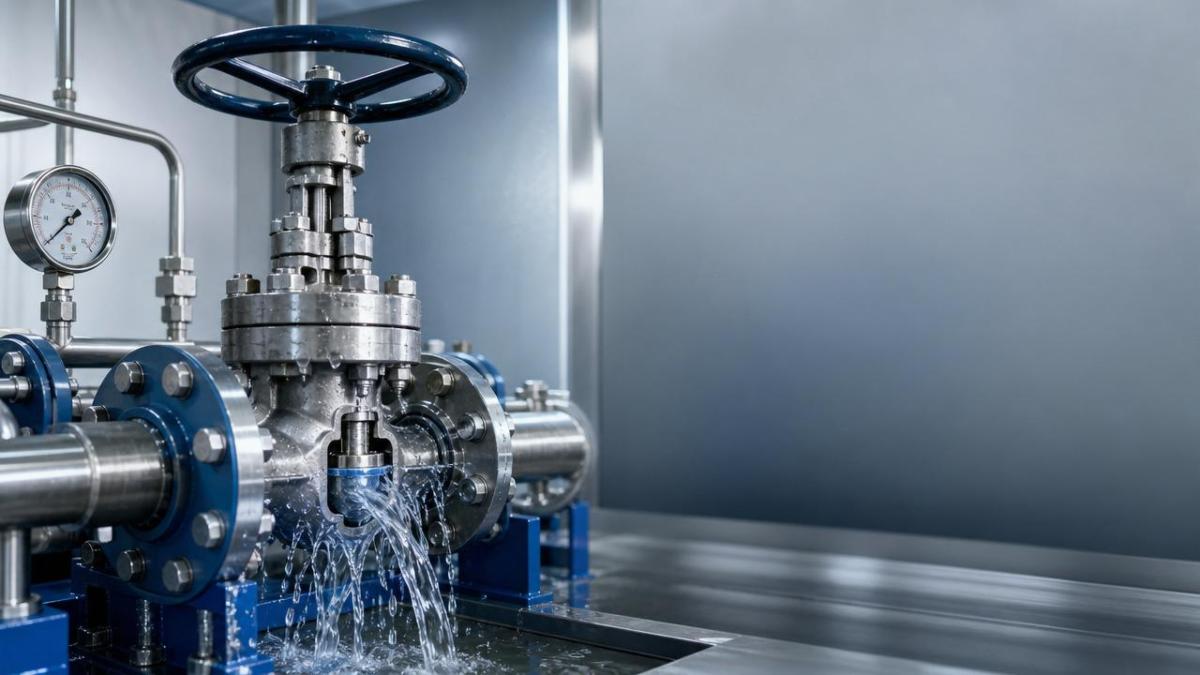
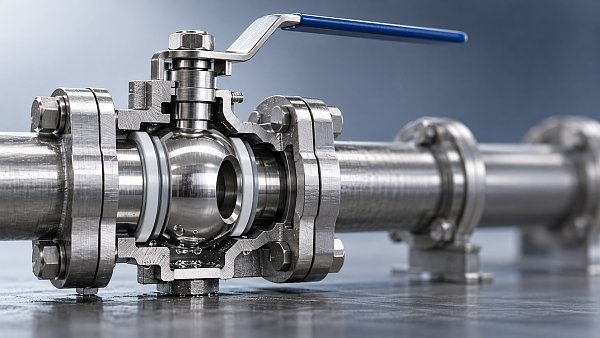
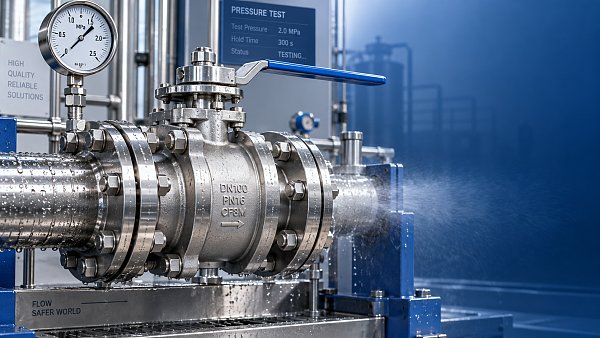
Valve hydro testing protocols define how a valve is filled, pressurized, held, inspected, and accepted using water or another approved liquid medium.
The purpose is simple: confirm pressure boundary integrity and verify seat tightness before the valve enters service.
Common reference standards include API 598, ASME B16.34, MSS SP-61, ISO 5208, and project-specific client requirements.
Although methods vary by valve type, most valve hydro testing protocols include two essential checks.
- Shell test for body, bonnet, and pressure-retaining parts
- Seat or closure test for internal sealing performance
Test pressure, hold duration, allowable leakage, venting method, and test fluid quality must be documented clearly.
Without disciplined valve hydro testing protocols, results can be misleading, especially for high-pressure or zero-leakage applications.
Industry Context and Why Fail Points Receive More Attention
Modern industrial systems are less tolerant of uncertain valve performance than ever before.
Higher operating pressures, cleaner media, digital traceability, and stricter emissions targets have made test failures more commercially significant.
In many sectors, a hydro test failure is no longer treated as a workshop inconvenience.
It is viewed as an early indicator of design weakness, process drift, or supply-chain inconsistency.
Current signals shaping valve hydro testing protocols
This is why common fail points matter.
They reveal where process control breaks down before valves are installed into critical assets.
Most Common Fail Points in Valve Hydro Testing Protocols
The most repeated nonconformities in valve hydro testing protocols usually cluster around sealing surfaces, pressure boundaries, and test execution itself.
1. Seat leakage
Seat leakage is one of the most common hydro test failures across gate, globe, ball, butterfly, and check valves.
Root causes often include scratched seats, poor lapping, embedded debris, uneven compression, or tolerance mismatch between trim components.
2. Body or bonnet seepage
Shell leakage may appear around cast porosity, weld defects, bonnet joints, threaded plugs, or pressure seal interfaces.
These defects are critical because they indicate weakness in the pressure-retaining envelope.
3. Stem packing leakage
Improper packing installation, damaged stem finish, or over-compression can produce leakage during test hold periods.
This fail point often predicts later fugitive emission concerns in service.
4. Gasket and flange sealing failures
Incorrect torque sequence, reused gaskets, surface damage, or flange misalignment can all lead to visible seepage.
Inconsistent bolting practices remain a frequent issue in manual testing environments.
5. Test setup errors
Not every failed result reflects a bad valve.
Air entrapment, unstable gauges, contaminated fluid, poor venting, or incorrect end closures can create false failures.
Strong valve hydro testing protocols separate product defects from procedural mistakes.
Business and Operational Value of Strong Testing Discipline
Effective valve hydro testing protocols create value far beyond workshop quality checks.
They support reliability engineering, warranty control, shutdown planning, and acceptance transparency across multi-site projects.
- Reduced risk of startup leakage and emergency maintenance
- Better alignment with ISO, ASME, API, and project specifications
- Faster root-cause review when failures recur by valve family
- Improved traceability for audits, claims, and supplier qualification
- Higher confidence for critical utility, chemical, and process lines
In capital-intensive facilities, one unverified valve can affect production continuity, safety isolation, and environmental performance.
That makes valve hydro testing protocols a practical risk-control mechanism, not just a document requirement.
Typical Valve Categories and Their Frequent Hydro Test Weaknesses
Different valve designs fail in different ways.
Recognizing these patterns helps prioritize inspection effort and corrective action.
These design-specific patterns should be built directly into inspection plans and valve hydro testing protocols.
Practical Recommendations for Reducing Hydro Test Failures
Reducing hydro test rejects requires attention before, during, and after pressurization.
Before testing
- Verify material traceability and pressure class against drawings
- Inspect sealing faces for scratches, dents, or coating damage
- Confirm calibrated gauges and approved test fluid cleanliness
- Review torque values, packing installation, and assembly records
During testing
- Vent air fully before reaching test pressure
- Increase pressure in controlled steps
- Respect required hold time and leakage criteria
- Document exact failure location, not only pass or fail status
After failure
- Differentiate product defect from setup error
- Capture photos, measurements, and operator observations
- Trend failures by valve model, batch, and supplier source
- Feed recurring causes into machining and assembly corrections
The strongest valve hydro testing protocols treat every failure as data for process improvement.
Implementation Priorities for Better Test Integrity
A reliable program does not depend on pressure alone.
It depends on standardization, trained interpretation, and disciplined records.
Review existing valve hydro testing protocols against current standards, actual failure patterns, and service criticality.
Then tighten acceptance criteria, improve fixture consistency, and build failure mapping by valve category.
Where supply chains are complex, request test evidence that links pressure results to material certificates, calibration status, and final assembly controls.
Done well, valve hydro testing protocols become a measurable safeguard for quality assurance, compliance readiness, and long-term asset reliability.
Recommended News
 Oct 24, 2026When do stainless steel valve systems need 316 instead of 304?Choosing stainless steel Valve Systems? Compare 304 vs. 316 for chloride exposure, cleaning chemicals, and corrosion risks to select the right alloy and avoid costly failures.
 Oct 22, 2026How Do I Compare Pump Suppliers Using Ideal-Condition Test Data?How do I compare suppliers when test data uses ideal conditions? Learn to verify pump performance, compare lifetime costs, and uncover hidden risks before choosing your supplier.
 Oct 16, 2026How Do I Size a Pump System for Variable Production Demand?How do I size a pump system for variable production demand? Discover how to match flow, head, VFDs, and staged pumps to reduce energy waste and keep production reliable.
 Sep 27, 2026How valve pressure containment data supports safe system designValve pressure containment data helps engineers verify ratings, materials, tests, and temperature limits for safer system design. Explore practical selection insights.
![]() Oct 16, 2026Which Valve Specifications Help Prevent Chemical Media Leakage?Which valve specification prevents chemical media leakage? Explore sealing, materials, pressure ratings, and fugitive-emission features for safer chemical containment.
Oct 16, 2026Which Valve Specifications Help Prevent Chemical Media Leakage?Which valve specification prevents chemical media leakage? Explore sealing, materials, pressure ratings, and fugitive-emission features for safer chemical containment. Sep 20, 2026When strategic procurement reduces total cost without disrupting supplyStrategic Procurement lowers total cost without risking supply continuity. Learn how to compare delivered value, qualify suppliers, and prevent hidden rework.
 Sep 04, 2026When do oil and gas industrial valves require API 6D certification?Industrial Valves for oil and gas may require API 6D certification for pipeline isolation and transportation systems. Learn key compliance triggers, procurement checks, and safety standards before sourcing.
 Aug 27, 2026Industrial supply chain analysis for finding single-source riskIndustrial Supply Chain Analysis resilience helps uncover hidden single-source risks, map critical dependencies, and build practical mitigation plans for stronger operational continuity.
 Jul 21, 2026How to Evaluate an ISO Compliance Equipment ManufacturerISO compliance equipment manufacturer evaluation starts with more than certificates. Learn how to verify capability, traceability, documentation, and supply reliability.
 Jul 12, 2026Rotary Lobe Pump Exporter Checklist: Certifications, Materials, and Service RiskRotary lobe pump exporter checklist: verify certifications, wetted materials, traceability, and after-sales support to reduce compliance risk, hidden costs, and downtime before you buy.
 Jul 10, 2026ASME Certified Components Quotation: Cost Drivers and Hidden Review PointsASME Certified Components quotation explained: uncover real cost drivers, hidden review points, and supplier risks to compare quotes fairly and avoid costly approval delays.
 Jul 09, 2026How to Compare Global Water and Oil Valve Tenders Databases by Coverage and Update SpeedGlobal water and oil valve tenders database comparison starts with coverage and update speed. Learn how to spot faster, deeper tender intelligence before opportunities are missed.
![]() Jul 07, 2026Air Filters for Clean Processes: When Pressure Drop Becomes a Cost ProblemAir filters can quietly raise clean-process costs through pressure drop, energy loss, and downtime. Learn how to balance filtration efficiency, uptime, and lifecycle savings.
Jul 07, 2026Air Filters for Clean Processes: When Pressure Drop Becomes a Cost ProblemAir filters can quietly raise clean-process costs through pressure drop, energy loss, and downtime. Learn how to balance filtration efficiency, uptime, and lifecycle savings.![]() Jul 07, 2026Metering Pump Manufacturer Checklist for Accuracy and Lifecycle CostMetering pump manufacturer selection goes beyond flow accuracy. Learn how to compare lifecycle cost, reliability, materials, service support, and compliance before you buy.
Jul 07, 2026Metering Pump Manufacturer Checklist for Accuracy and Lifecycle CostMetering pump manufacturer selection goes beyond flow accuracy. Learn how to compare lifecycle cost, reliability, materials, service support, and compliance before you buy.![]() Jul 07, 2026CIP Rotary Lobe Pump Selection: Cleanability, Shear, and Downtime RiskCIP rotary lobe pump selection starts with cleanability, shear control, and downtime risk. Learn how to choose a hygienic, low-maintenance pump that protects product quality.
Jul 07, 2026CIP Rotary Lobe Pump Selection: Cleanability, Shear, and Downtime RiskCIP rotary lobe pump selection starts with cleanability, shear control, and downtime risk. Learn how to choose a hygienic, low-maintenance pump that protects product quality. Jul 06, 2026Food Grade Lobe Pump Shear: How It Affects Product TextureFood grade lobe pump shear directly affects texture, particle retention, and filling stability. Learn how to evaluate shear, protect product quality, and choose the right hygienic pump.
 Jun 30, 2026API Valve Tenders: Cost and Delivery Risks in Global ProjectsGlobal water and oil valve tenders for API valves often hide cost and delivery risks. Learn how to compare bids, spot exclusions, and avoid expensive project delays.
 Jun 27, 2026Slurry Pump for Mining: Common Wear Problems and FixesSlurry pump for mining wear issues explained: spot abrasive wear, cavitation, corrosion, seal leaks, and bearing damage early, with practical fixes to cut downtime and repair costs.
 Jun 25, 2026How to Use an Industrial Buyers Directory for Construction VendorsIndustrial buyers directory for construction: learn how to find, compare, and qualify vendors faster, reduce sourcing risk, and make smarter purchasing decisions for complex projects.
 Jun 23, 2026Radiators vs Heat Exchangers: Which Fits Industrial Cooling Better?Radiators or heat exchangers? Discover which industrial cooling solution delivers better efficiency, uptime, and cost control—and when radiators are the smarter choice.
 Jun 18, 2026Rotary Lobe Pump Factory Checklist: What to Verify Before OrderingRotary lobe pump factory checklist: verify application fit, quality control, material traceability, lead times, and support before ordering to reduce risk and buy with confidence.
 Jun 17, 2026How to Choose Dust Collectors for Fine Powder Controldustcollectors for fine powder control: learn how to compare collector types, filter media, safety, and lifecycle cost to choose a safer, more efficient system.
 Jun 15, 2026How to Compare Storage Solutions for Energy Density and RiskStorage solutions compared by energy density and risk: learn how to evaluate safety, compliance, lifecycle cost, and reliability to choose the right system with confidence.
 Jun 14, 2026Car Batteries Wholesale: Cost Factors, MOQ, and Warranty RisksCar batteries wholesale buying is about more than price. Learn key cost drivers, MOQ terms, landed cost, and warranty risks to choose safer suppliers and protect margins.