Search News
Industry Portal
Popular Tags
Vibration Isolator Supplier Guide for Sensitive Equipment
Author
Time
Click Count
Choosing the right vibration isolator supplier is critical when sensitive equipment must maintain accuracy, uptime, and long-term reliability.
From semiconductor tools to precision motion platforms, even minor vibration can reduce yield, distort measurements, and shorten component life.
This guide explains how to assess a vibration isolator supplier through engineering depth, standards compliance, materials, integration support, and lifecycle risk.
What does a vibration isolator supplier actually provide?
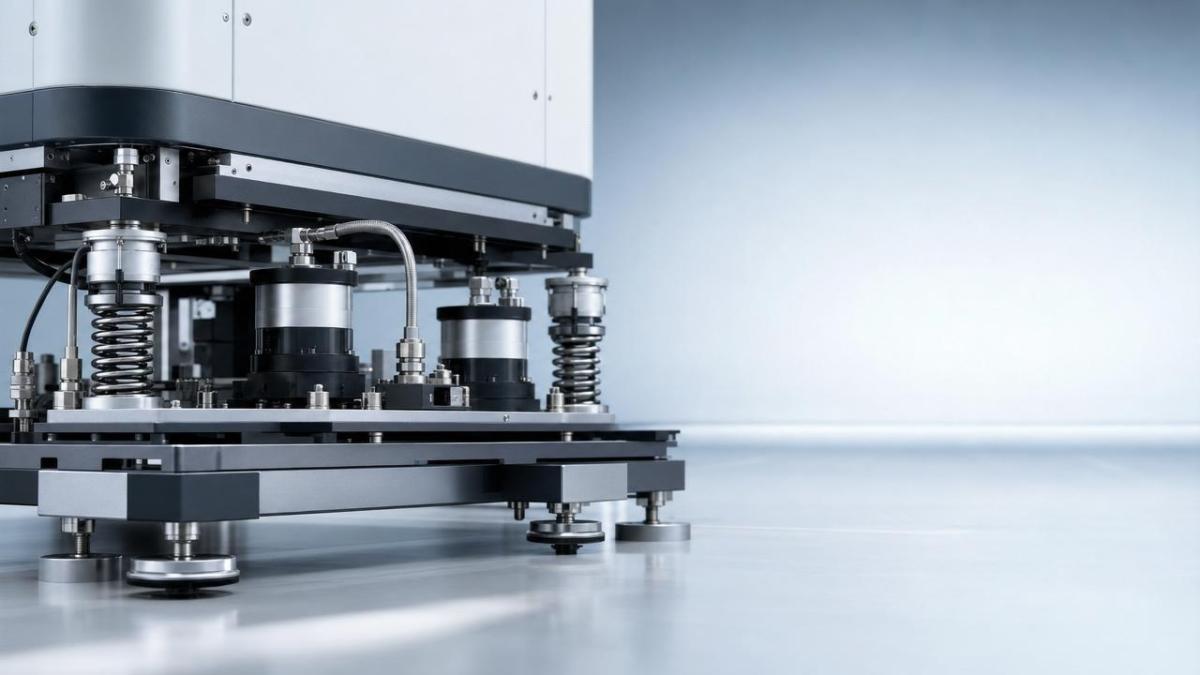
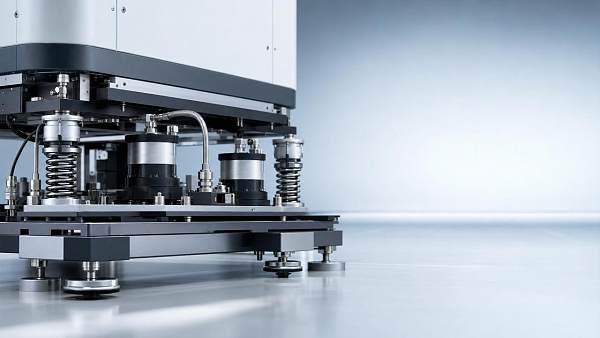
A vibration isolator supplier does more than sell mounts, pads, springs, or damping elements.
A capable source provides application analysis, load calculations, resonance control, material selection, and validation data for sensitive equipment environments.
In advanced industries, isolation performance depends on frequency range, static deflection, damping ratio, and environmental stability.
That is why the best vibration isolator supplier acts like an engineering partner, not a catalog reseller.
For integrated systems, support may include finite element analysis, vibration surveys, installation guidance, and test reports aligned with ISO, ASME, SEMI, or IEEE expectations.
This matters across the broader industrial landscape.
Laboratories, imaging devices, semiconductor sub-systems, metrology platforms, pump skids, and digital manufacturing cells all depend on motion stability.
When evaluating a vibration isolator supplier, ask whether the offering includes documentation, customization, and post-installation troubleshooting.
How do you know if a vibration isolator supplier fits sensitive equipment?
Application fit starts with the equipment, not the isolator alone.
Sensitive systems react differently to floor vibration, acoustic coupling, rotating imbalance, and transient shock.
A qualified vibration isolator supplier should request technical details before proposing a solution.
- Equipment mass, center of gravity, and load distribution
- Operating frequency and disturbance sources
- Required displacement, settling time, and positional accuracy
- Installation floor stiffness and structural constraints
- Temperature, chemicals, humidity, and cleanroom conditions
For example, semiconductor and optical systems often need low natural frequency isolation with predictable damping and low particle generation.
In contrast, industrial pumps or valve skids may prioritize shock resistance, corrosion tolerance, and easier field replacement.
An experienced vibration isolator supplier should explain these differences clearly.
Request case references from adjacent applications, especially where uptime, repeatability, and contamination control are critical.
The strongest indicator of fit is evidence.
Look for transmissibility curves, load tolerance windows, aging data, and performance results under real mounting conditions.
Which technical criteria matter most when comparing suppliers?
Comparing a vibration isolator supplier on price alone often creates downstream cost and reliability problems.
Technical comparison should focus on measurable performance and manufacturing consistency.
1. Isolation performance data
Ask for frequency response charts, damping coefficients, natural frequency ranges, and vertical versus horizontal isolation behavior.
A reliable vibration isolator supplier can explain how lab data translates to site conditions.
2. Material quality and durability
Elastomers, wire rope, air springs, and hybrid structures perform differently over time.
Material creep, compression set, outgassing, and chemical exposure can all change isolation effectiveness.
The right vibration isolator supplier should disclose material limits and expected service intervals.
3. Manufacturing precision
Tolerance control affects load balancing, dynamic response, and repeatability between units.
This is especially important for multi-point support systems under precision stages or inspection equipment.
4. Compliance and traceability
For critical installations, supplier traceability supports audits, maintenance planning, and cross-border procurement confidence.
A strong vibration isolator supplier should provide quality records, inspection methods, and relevant compliance declarations.
5. Engineering responsiveness
Fast quoting is useful, but technical responsiveness matters more.
The supplier should answer questions on resonance risk, installation geometry, and maintenance implications without vague language.
What are the common mistakes when selecting a vibration isolator supplier?
Several selection errors appear repeatedly across industrial and technical projects.
- Choosing by static load rating only, while ignoring disturbing frequencies
- Assuming one isolator design suits all equipment classes
- Overlooking environmental exposure, including oils, solvents, ozone, or cleanroom demands
- Skipping validation after installation
- Accepting incomplete data sheets from an unproven vibration isolator supplier
Another mistake is underestimating system interactions.
Isolation hardware may perform well alone but fail once cables, piping, or frame stiffness create bypass paths.
This is why installation support is a major differentiator for any vibration isolator supplier.
Short-term savings can also become expensive.
Poor isolation may increase recalibration, scrap, unplanned downtime, and wear on bearings, optics, seals, or motion components.
How should cost, lead time, and lifecycle value be evaluated?
The lowest quoted unit price rarely represents the real cost of ownership.
A better evaluation compares acquisition cost with performance stability, service life, replacement intervals, and downtime exposure.
A dependable vibration isolator supplier should discuss lifecycle economics in practical terms.
Lead time should also be examined carefully.
Custom isolators may improve fit, yet long development cycles can disrupt installation schedules or system commissioning.
Ask whether the vibration isolator supplier offers modular designs, stocked materials, or regional support for urgent replacements.
For global projects, supply chain resilience matters.
Export controls, documentation gaps, or single-source dependency can introduce hidden risk in advanced technology environments.
This is where a data-driven evaluation approach becomes valuable.
Organizations like G-CST emphasize verifiable engineering benchmarks, traceable specifications, and regulatory foresight across interconnected industrial sectors.
What questions should be asked before approving a supplier?
A structured review helps separate a competent vibration isolator supplier from a basic parts vendor.
These questions make the evaluation process more objective.
They also help identify whether a vibration isolator supplier can support future scaling, redesigns, and long-term maintenance planning.
How can the final decision be made with less risk?
Start with a shortlist based on technical evidence, not just brand familiarity.
Then compare each vibration isolator supplier against the same decision matrix.
- Isolation performance under target frequencies
- Material suitability for the operating environment
- Documentation, traceability, and standards alignment
- Customization capability and engineering support
- Lead time, replacement strategy, and lifecycle cost
If possible, validate one candidate in a pilot installation or test fixture.
Measured vibration before and after installation often reveals more than brochures ever can.
The best vibration isolator supplier will welcome this step because proven performance builds confidence on both sides.
For sensitive equipment, the right choice protects accuracy, reliability, and operating continuity.
Use documented criteria, request verifiable data, and move forward only when the supplier demonstrates real technical fit.
Recommended News
 May 22, 2026Future of High-Speed Spindles: 2026 Performance Trade-OffsFuture of high-speed spindles in 2026: discover the real trade-offs between RPM, thermal stability, bearing life, energy use, and supplier support to make smarter buying decisions.
 May 22, 2026Precision Stage Repeatability Data: What Drift Is Acceptable?Precision stage repeatability data explained: learn what drift is acceptable, how to judge risk, and how to validate motion performance before it impacts yield, compliance, or long-term reliability.
 May 21, 2026Spindle Run-Out Benchmarks That Matter in 2026Spindle run-out benchmarks that matter in 2026: learn the reference ranges, test criteria, and qualification checks that reduce risk, improve precision, and support smarter sourcing decisions.
 May 19, 2026Vibration Isolator Supplier Guide for Sensitive EquipmentVibration isolator supplier guide for sensitive equipment: learn how to compare performance data, materials, compliance, and lifecycle value to choose a reliable partner with confidence.
 May 18, 2026Cross Roller Bearing Factory Selection for Compact High-Precision StagesCross roller bearing factory selection guide for compact high-precision stages. Learn how to verify quality, preload control, compliance, and sourcing risk for reliable performance.
 May 09, 2026Global Metrology Tools Growth Data and Its Impact on Yield PlanningGlobal metrology tools growth data reveals how rising inspection demand shapes yield planning, process control, and equipment strategy—helping technical teams reduce risk and improve ROI.
 May 08, 2026The Future of High-NA EUV Technology and the Subsystems Most Likely to BottleneckFuture of High-NA EUV technology: discover which subsystems may become the biggest bottlenecks—from motion stages and metrology to vacuum control—and why they matter for yield, uptime, and smarter benchmarking.
![]() May 07, 2026Lithography Light Source Wavelength Data: How to Judge Tool Fit and Process WindowLithography light source wavelength data reveals how to judge tool fit, process window, yield risk, and upgrade paths—helping enterprise buyers compare platforms with confidence.
May 07, 2026Lithography Light Source Wavelength Data: How to Judge Tool Fit and Process WindowLithography light source wavelength data reveals how to judge tool fit, process window, yield risk, and upgrade paths—helping enterprise buyers compare platforms with confidence. May 06, 2026Die Bonder Factory Shortlist: What to Compare Beyond Unit PriceDie bonder factory selection should go beyond unit price. Compare yield stability, maintenance, compliance risk, and service support to reduce downtime and improve long-term ROI.
 May 06, 2026How to Compare a Wire Bonder Supplier Without Missing Hidden Service RisksWire bonder supplier comparison goes beyond price. Discover how to spot hidden service risks, protect uptime, and choose a partner with reliable long-term support.
 May 05, 2026Spin Coater Manufacturer Selection Mistakes That Hurt Coating UniformitySpin coater manufacturer selection mistakes can ruin coating uniformity. Learn what to check for better stability, fewer defects, and more reliable thin-film results.
 May 05, 2026Wafer Carrier Box Factory Checklist: Material, Cleanliness, and Lead TimeWafer carrier box factory checklist for buyers: compare material performance, cleanliness control, and lead time stability to reduce contamination risk and secure reliable supply.
 May 04, 2026Photoresist Coater Factory Audit Checklist for Consistent Coating QualityPhotoresist coater factory audit checklist for quality and safety teams: uncover contamination, calibration, EHS, and QC risks to improve coating consistency and supplier confidence.
 May 04, 2026What Sets a Reliable Lithography Light Source Supplier Apart in 2026Lithography light source supplier selection in 2026 demands more than price. Discover how reliability, compliance, service depth, and supply resilience protect yield, uptime, and ROI.
 May 02, 2026SEMI Standards for Semiconductor Equipment: Key Checks Before QualificationSEMI Standards for semiconductor equipment: learn the key pre-qualification checks for safety, automation, contamination control, reliability, and documentation before fab approval.
![]() Apr 21, 2026Where EUV Lithography Systems Lose Uptime FirstEUV Lithography Systems lose uptime first in precision motion control, high-performance bearings, and Industrial Software Solutions—learn benchmarking, maintainability, and compliance insights.
Apr 21, 2026Where EUV Lithography Systems Lose Uptime FirstEUV Lithography Systems lose uptime first in precision motion control, high-performance bearings, and Industrial Software Solutions—learn benchmarking, maintainability, and compliance insights.![]() Apr 21, 2026SEMI Standards Compliance Issues That Delay Equipment AcceptanceSEMI Standards issues can delay equipment acceptance across Precision Manufacturing. Learn how Digital Twin Technology, Strategic Procurement, Reliability Engineering, and Chemical Pumps affect faster approvals.
Apr 21, 2026SEMI Standards Compliance Issues That Delay Equipment AcceptanceSEMI Standards issues can delay equipment acceptance across Precision Manufacturing. Learn how Digital Twin Technology, Strategic Procurement, Reliability Engineering, and Chemical Pumps affect faster approvals.