Search News
Industry Portal
Popular Tags
Aerogel Insulation Wholesale: Where Costs Add Up
Author
Time
Click Count
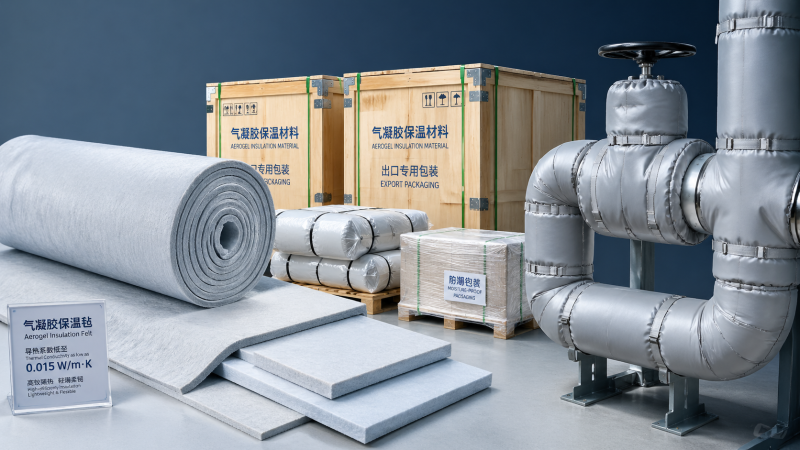
In aerogel insulation wholesale, costs rarely stop at the quoted price. From material grade and logistics to compliance, installation efficiency, and long-term thermal performance, every factor shapes total value. For buyers comparing advanced materials portfolios—from graphene materials OEM supplier networks to technical ceramics supplier options—understanding where costs add up is essential to making resilient, high-return procurement decisions.
Why aerogel insulation wholesale pricing often looks simple but behaves differently in real procurement
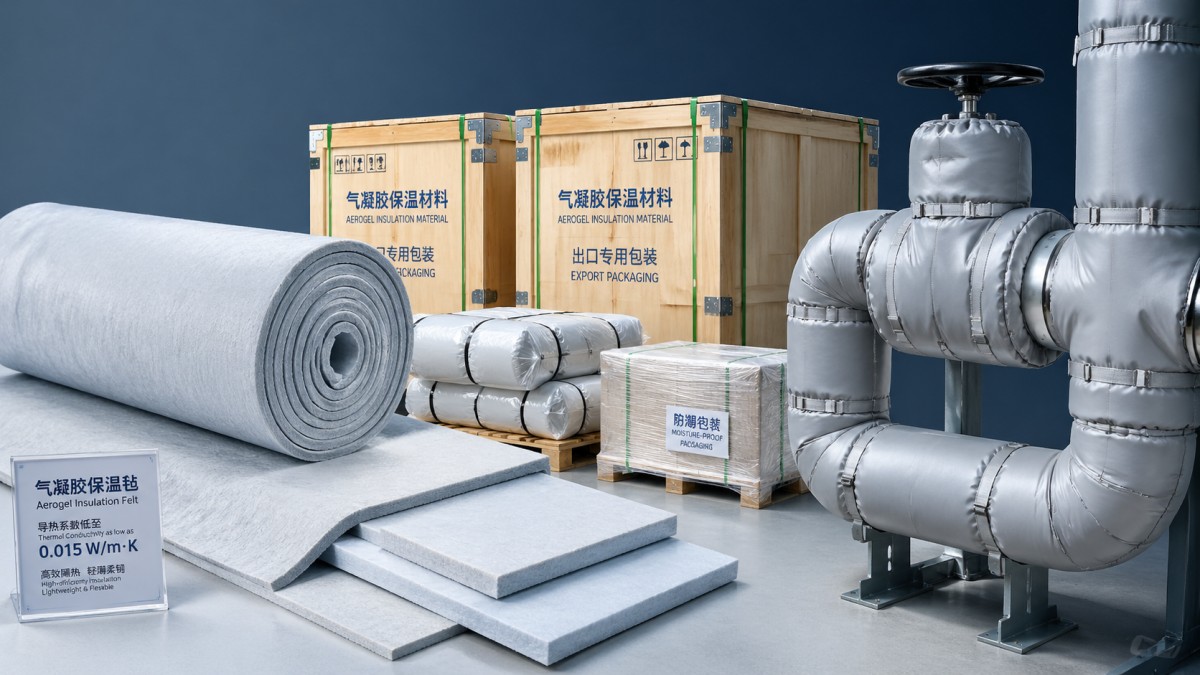
Aerogel insulation wholesale is often approached as a unit-price exercise, yet industrial buyers quickly discover that the invoice reflects only one layer of cost. In multi-site projects, high-temperature process systems, and infrastructure retrofits, the real decision is not only “price per square meter” or “price per roll,” but total installed value over 3 to 10 years of service.
This matters across the broader advanced materials landscape. A procurement team evaluating aerogel may also be benchmarking specialized refractory products, technical ceramics, or even lightweight composite alternatives. In those comparisons, G-CST supports buyers with verifiable engineering data, standard-based benchmarking, and cross-sector visibility that helps reduce commercial and technical blind spots before contracts are signed.
For information researchers, the challenge is understanding what drives cost escalation. For operators, the concern is handling, fit-up, dust control, and maintenance frequency. For procurement managers, the pressure usually comes from lead time, quality consistency, and landed cost. For enterprise decision-makers, the focus shifts to lifecycle efficiency, compliance risk, and supply-chain resilience across 2 to 4 quarters.
In practical terms, aerogel insulation wholesale costs commonly add up in five areas: material formulation, conversion format, logistics, installation productivity, and long-term operating impact. A low initial quote may become expensive if the blanket tears easily, requires extra fastening hardware, or arrives with documentation gaps that delay site acceptance by 7 to 15 days.
The cost drivers buyers tend to underestimate
Many teams compare thickness and thermal conductivity but miss the interaction between thermal design and field execution. A thinner high-performance layer may reduce cladding changes, labor hours, and shutdown duration. In high-value industrial environments, even a 1- to 2-day reduction in maintenance windows can materially influence total project economics.
- Material grade differences can affect hydrophobicity, flexibility, compression resistance, and usable temperature range.
- Converted forms such as blankets, boards, or custom-cut parts change waste rates, fit accuracy, and installation speed.
- Export packaging, moisture protection, and hazardous-route logistics can alter landed cost more than expected.
- Documentation gaps around standards, traceability, or batch records may delay approvals and create hidden administrative cost.
Where costs add up across the supply chain: from material selection to site installation
A disciplined cost review should separate direct material price from conversion cost, logistics cost, installation cost, compliance cost, and in-service performance cost. This framework helps buyers avoid false savings. It also creates a useful comparison model when aerogel insulation wholesale is part of a broader sourcing program involving advanced engineering materials and critical industrial components.
The table below shows common cost accumulation points that appear during specification, purchase, delivery, and use. These are not fixed prices, but procurement checkpoints that regularly determine whether a quoted product remains economical after the first 30, 90, and 180 days of deployment.
The key lesson is that procurement should map costs across the full chain, not isolate the first PO value. In projects with repeated maintenance cycles or difficult access, a product that costs more upfront may still lower total ownership burden if it cuts handling time, fits complex geometry better, or reduces thermal loss over multiple operating seasons.
How G-CST helps teams evaluate beyond the quote
G-CST’s value in aerogel insulation wholesale decisions lies in connecting technical benchmarking with procurement intelligence. Buyers are not only selecting a material; they are managing risk across specification accuracy, international standards alignment, tender timing, and supplier continuity. That is especially relevant when sourcing spans multiple categories such as advanced insulation, ceramics, pumps, valves, and digital monitoring infrastructure.
A practical review normally covers at least 4 dimensions: thermal performance window, mechanical handling profile, documentation completeness, and supply-chain exposure. When these dimensions are benchmarked early, organizations can avoid late-stage substitution, accelerated freight charges, and site-level change orders that erode project margins.
A workable 4-step wholesale assessment flow
- Confirm the thermal and environmental envelope, including operating range, humidity exposure, and installation geometry.
- Validate the commercial scope: minimum order quantity, batch consistency, packaging type, and delivery window.
- Check compliance and documentation against project needs, such as traceability records and applicable ISO, ASME, SEMI, or site-specific requirements.
- Compare lifecycle impact, including installation labor, replacement interval, and compatibility with adjacent systems.
How to compare aerogel with other advanced insulation and engineered material options
Aerogel is rarely evaluated in isolation. Buyers often compare it with mineral wool, calcium silicate, microporous insulation, or rigid technical solutions in environments where thermal control, space limits, and mechanical conditions all matter. The correct comparison is not about naming a universal winner. It is about matching the material to duty cycle, footprint limits, and maintenance economics.
In compact industrial systems, reduced thickness can be decisive. In rugged outdoor installations, water resistance and weathering behavior may move to the top of the list. In regulated sectors, documentation quality and lot traceability may weigh almost as heavily as performance. That is why aerogel insulation wholesale decisions should use a structured comparison instead of a single-cost ranking.
The table below provides a comparison framework suitable for researchers, operators, and procurement teams screening multiple insulation paths. The ranges are qualitative and decision-oriented, intended to help shortlist options before detailed engineering review.
This comparison shows why material substitution should never be driven by price alone. A lower-cost product may require greater thickness, more supporting hardware, or extra labor around valves and bends. In turn, that changes shipping volume, site handling, and rework risk. A better shortlist uses 3 core filters: thermal target, geometry complexity, and maintenance access constraints.
When aerogel wholesale usually makes stronger commercial sense
Aerogel is often more competitive when one or more of these conditions apply: the installation area is space-limited, shutdown windows are short, equipment geometry is irregular, or heat-loss reduction carries high operating value. In sectors linked to advanced manufacturing, processing equipment, or critical infrastructure, those conditions are common rather than exceptional.
- Retrofit projects where existing clearances cannot accommodate thicker insulation layers.
- Systems with elbows, flanges, valves, and instruments that increase cutting complexity.
- Sites where every extra maintenance shift adds substantial labor, energy, or downtime cost.
- Programs requiring documented benchmarking across multiple advanced material categories.
What procurement teams should verify before placing an aerogel insulation wholesale order
A strong wholesale purchase starts with a precise application brief. Too many RFQs describe only thickness and quantity, then leave out service temperature, exposure conditions, wrapping geometry, facing requirements, and documentation expectations. That omission creates quote variability and makes technical comparison unreliable. It also increases the chance of expensive change orders after delivery.
For B2B buyers, a practical sourcing checklist should include at least 6 items: operating temperature range, substrate type, geometry complexity, moisture exposure, expected delivery window, and required compliance documents. If any of these are unclear, procurement should pause and resolve them before negotiating price. This is where G-CST’s benchmarking approach helps organizations align engineering intent with commercial execution.
Lead times are another frequent blind spot. Standard wholesale material may move within 2 to 6 weeks, while converted or custom-cut formats can extend beyond that depending on batch size, packaging, and export route. Teams that wait until shutdown schedules are fixed often end up paying for expedited freight, split shipments, or suboptimal substitutions.
Documentation should also be reviewed early. Even when a material performs well, incomplete supporting files can delay project acceptance. Depending on the industry and jurisdiction, buyers may need specification sheets, handling guidance, batch traceability, conformity statements, or test references aligned with ISO, ASME, SEMI, IEEE, or internal owner standards.
A purchase checklist for researchers, operators, and buyers
- Define the service envelope: continuous exposure, peak exposure, weathering conditions, and whether vibration or compression is expected.
- Confirm the product form: roll, blanket, sheet, board, or pre-cut kit for repeated geometries.
- Request packaging and shipping details to estimate volumetric freight and storage conditions on arrival.
- Check installation method, fastening approach, and whether operators need specific PPE or handling training.
- Clarify quality records, lot identification, and the exact document set needed for project release.
- Model the full cost over at least 1 maintenance cycle rather than only the first delivered price.
Questions that reduce rework during supplier evaluation
Ask whether the quoted product is standard stock or make-to-order, whether thickness tolerance affects fit on existing cladding, and how the supplier manages batch continuity over repeat orders. Also ask what happens if a project needs partial shipment, relabeling, export paperwork revisions, or replacement material after field cutting errors.
These questions sound operational, but they are strategic. In cross-border industrial programs, small documentation or packaging mismatches can disrupt installation sequencing, especially when insulation scope is tied to pumps, valve trains, process skids, or digital-twin validated retrofit schedules.
Common mistakes, FAQ, and the right next step for cost-conscious wholesale buyers
A recurring mistake in aerogel insulation wholesale is treating all high-performance insulation as commercially equivalent. Another is comparing products without a field-installation lens. Teams may request five quotes, but if they do not normalize thickness basis, packaging terms, documentation scope, and site labor assumptions, they still cannot make a clean decision. Good procurement is comparative, but it must also be contextual.
Another mistake is ignoring the interface between material choice and surrounding systems. If an insulation upgrade changes jacket dimensions, support spacing, access clearance, or maintenance routes, downstream costs can appear quickly. The better approach is to evaluate aerogel not only as a material purchase, but as one node in a larger engineered system.
The final issue is supply continuity. In volatile markets, a favorable quote is less useful if replenishment becomes uncertain over the next 2 to 3 purchase cycles. G-CST’s cross-sector intelligence helps buyers look beyond technical datasheets by integrating procurement visibility, standards awareness, and supply-chain resilience analysis into one decision framework.
FAQ: what buyers most often ask
How should we compare aerogel insulation wholesale offers from different suppliers?
Use at least 5 comparison points: thermal target, product form, packaging basis, compliance documents, and expected installation method. If one quote includes pre-cut conversion and another ships standard rolls only, the lower unit price may still produce higher field labor and waste. Normalize the scope before comparing costs.
What delivery timeline is typical for wholesale orders?
For standard formats, a common planning range is 2 to 6 weeks, though cross-border shipping, batch size, and conversion work can extend that timeline. Custom dimensions, reinforced facings, or project-specific documentation often add extra review and processing time. Buyers with shutdown deadlines should confirm milestone dates early.
Which scenarios justify paying more for aerogel?
Aerogel often becomes more attractive when thickness limits are strict, geometry is complex, or downtime costs are high. It can also make sense when operators need easier wrapping around irregular equipment and when the project seeks to reduce heat loss without major space redesign. The value case is strongest when lifecycle cost, not only purchase price, drives the decision.
What is the most common sourcing mistake?
The most common mistake is incomplete specification. Missing details on temperature range, moisture exposure, or installation geometry lead to quotes that look comparable but are not technically aligned. The second mistake is overlooking documentation readiness, which can stall site approval even when material has already arrived.
Why work with G-CST on aerogel insulation and adjacent advanced materials sourcing
G-CST helps procurement teams, technical evaluators, and enterprise decision-makers move from fragmented supplier comparison to benchmarked decision-making. Because aerogel insulation wholesale often intersects with broader sourcing across advanced engineering materials, pumps and valves, motion systems, and industrial software environments, isolated product review is not enough. Buyers need a multi-pillar view that links technical fit, standards alignment, and commercial risk.
You can contact G-CST for application parameter confirmation, material shortlist support, delivery-window assessment, documentation gap review, sample coordination, and quotation comparison across multiple advanced materials pathways. If your team is balancing thermal performance, compliance requirements, export considerations, or lifecycle cost targets, a structured consultation can clarify which aerogel insulation wholesale option is commercially resilient before purchase commitments are made.
Recommended News
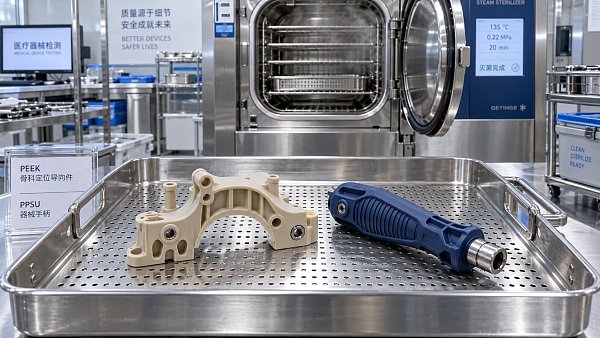
 Oct 17, 2026Can engineering plastics for orthopaedics withstand steam sterilisation?Can engineering plastics for orthopaedics withstand steam sterilisation? Explore PEEK, PPSU and essential testing criteria to choose durable materials for reusable devices.
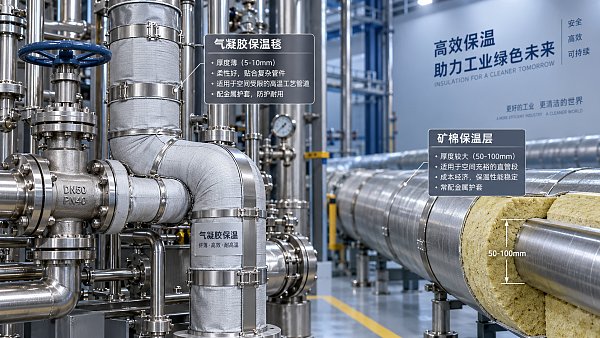
 Oct 07, 2026When does an aerogel insulation blanket outperform mineral wool?Aerogel insulation blanket vs. mineral wool: discover when thinner, high-efficiency insulation delivers better thermal control, retrofit flexibility, and lifecycle value.
![]() Oct 20, 2026Can Engineering Materials Be Substituted Without Redesign?Can engineering materials be substituted without redesign? Explore the critical checks for performance, compliance, testing, and reliable material change approval.
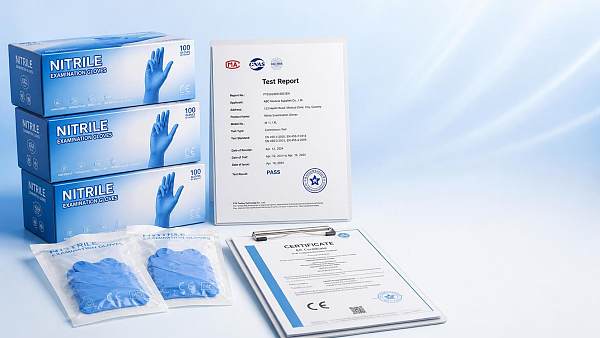
Oct 20, 2026Can Engineering Materials Be Substituted Without Redesign?Can engineering materials be substituted without redesign? Explore the critical checks for performance, compliance, testing, and reliable material change approval. Aug 26, 2026How to check whether medical gloves meet the right safety standardMedical gloves safety starts with the right standard. Learn how to verify claims, test reports, labeling, and batch records to choose compliant gloves with confidence.
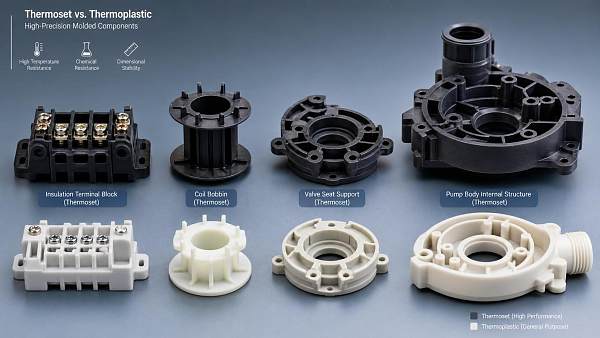
 Aug 19, 2026When does thermoset molding resin outperform thermoplastics in parts design?Thermoset molding resin outperforms thermoplastics in high-heat, chemical, and electrical applications. Learn when its crosslinked stability delivers longer-lasting part performance.
 Aug 14, 2026How to choose bio-based engineering plastics for European supply chainsBio-based engineering plastics Europe guide: learn how to choose the right grade for performance, compliance, and supply chain reliability.
 Jul 12, 2026Conductive Polymers for Antistatic Packaging: What Impacts ESD Stability MostConductive polymers for antistatic packaging: learn what really drives ESD stability most—formulation, dispersion, environment, and process control—to reduce risk and choose reliable packaging.
 Jul 05, 2026Engineering Material Selection for Semiconductors: Failure Risks to AvoidEngineering material selection for semiconductors: learn the failure risks that hurt yield, uptime, and compliance, and discover smarter choices for reliable fab performance.
 Jul 04, 2026PTFE Sheet RoHS Factory Checklist: Material Proof, Testing, and Compliance Riskptfe sheet RoHS factory checklist: verify material proof, test records, traceability, and change control to reduce compliance risk and approve suppliers with confidence.
 Jun 29, 2026How to Compare Home Accessories by Material, Style, and Room FitHome accessories comparison made simple: learn how to evaluate material, style, and room fit to choose durable, cohesive pieces that elevate every space with confidence.
 Jun 28, 20263D Printing Quotation: What Changes Price the Most?3D printing quotation costs can change fast based on material, geometry, tolerance, finishing, and lead time. Learn what drives pricing most and compare quotes with confidence.
 Jun 26, 2026Commercial Refrigerators: Capacity vs. Operating CostCommercialrefrigerators buyers can compare capacity vs. operating cost to find the best fit for efficiency, workflow, and long-term value.
 Jun 26, 2026Commercial Refrigerators: Energy-Saving Buying GuideCommercial refrigerators energy-saving buying guide for procurement teams: compare efficiency, reliability, and total cost to choose smarter, lower-operating-cost models.
 Jun 24, 2026Silicone Products Failure Causes in Sealing and Insulation UseSilicone products often fail when real sealing and insulation conditions are overlooked. Learn key causes, warning signs, and smarter selection tips to prevent leaks, aging, and early downtime.
 Jun 24, 2026How to Compare Silicone Products by Heat, Wear, and ComplianceSilicone products compared the right way: learn how to assess heat resistance, wear performance, and compliance data to choose safer, longer-lasting options with confidence.
 Jun 21, 2026Foldable Screen Technology for Tablets: Durability vs. WeightFoldable screen technology for tablets explained: compare durability, weight, hinge reliability, materials, and repair risk to choose a foldable tablet that truly lasts.
 Jun 20, 2026Jewelry Display Stands: Common Material Mistakes to AvoidJewelrydisplaystands buying guide: avoid common material mistakes that cause scratches, fading, peeling, and fast wear. Learn how to choose durable, attractive stands for every retail setting.
 Jun 19, 2026Polyurethane Foam Insulation Bulk: When Lower Price Leads to Higher Jobsite WastePolyurethane foam insulation bulk may look cheaper upfront, but inconsistent yield, rework, and jobsite waste can raise total cost. Learn how to choose for real installed value.
 Jun 18, 2026How to Choose Car Seat Covers for Pets That Actually Stay CleanCar seat covers for pets that truly stay clean start with the right materials, fit, and design. Learn how to choose durable, easy-clean options that handle fur, mud, and daily travel.
 Jun 17, 2026Acrylic Keychains: Cost, MOQ, and Print Quality FactorsAcrylickeychains sourcing guide: compare cost, MOQ, and print quality factors to avoid hidden risks, improve supplier decisions, and secure consistent branded results.
 Jun 15, 2026EPDM Rubber Extrusion: Common Defects and How to Prevent ThemEPDMrubberextrusion defects can lead to leaks, poor fit, and early aging. Discover common issues, root causes, and practical prevention tips to improve quality and reliability.
 Jun 14, 2026Resins and Hardeners: How to Match Pot Life, Strength, and FinishResins and hardeners guide pot life, strength, and finish in real production. Learn how to match systems for reliable performance, better quality control, and fewer costly failures.
 Jun 10, 20263D Printing Material Breakthroughs Shaping Production in 20263d printing material breakthroughs are reshaping 2026 production with stronger polymers, cleaner metal powders, and scalable qualification paths—see what drives lower risk and faster adoption.
![]() Jun 09, 2026Papercupswholesale: 7 Hidden Cost Factors Before You OrderPapercupswholesale buyers often miss the real cost behind low quotes. Discover 7 hidden factors—from freight and compliance to MOQ and print risk—before you order.
Jun 09, 2026Papercupswholesale: 7 Hidden Cost Factors Before You OrderPapercupswholesale buyers often miss the real cost behind low quotes. Discover 7 hidden factors—from freight and compliance to MOQ and print risk—before you order.