Search News
Industry Portal
Popular Tags
How to Compare Industrial Cybersecurity Suppliers in 2026
Author
Time
Click Count
Choosing the right industrial cybersecurity supplier in 2026 requires more than checking product features or price. Technical evaluators must compare verifiable standards compliance, OT-specific threat coverage, integration with industrial software and control systems, long-term reliability, and supplier transparency. This guide outlines a practical framework to help buyers assess industrial cybersecurity supplier capabilities with greater accuracy, lower risk, and stronger alignment with complex industrial environments.
Why a checklist matters when comparing an industrial cybersecurity supplier
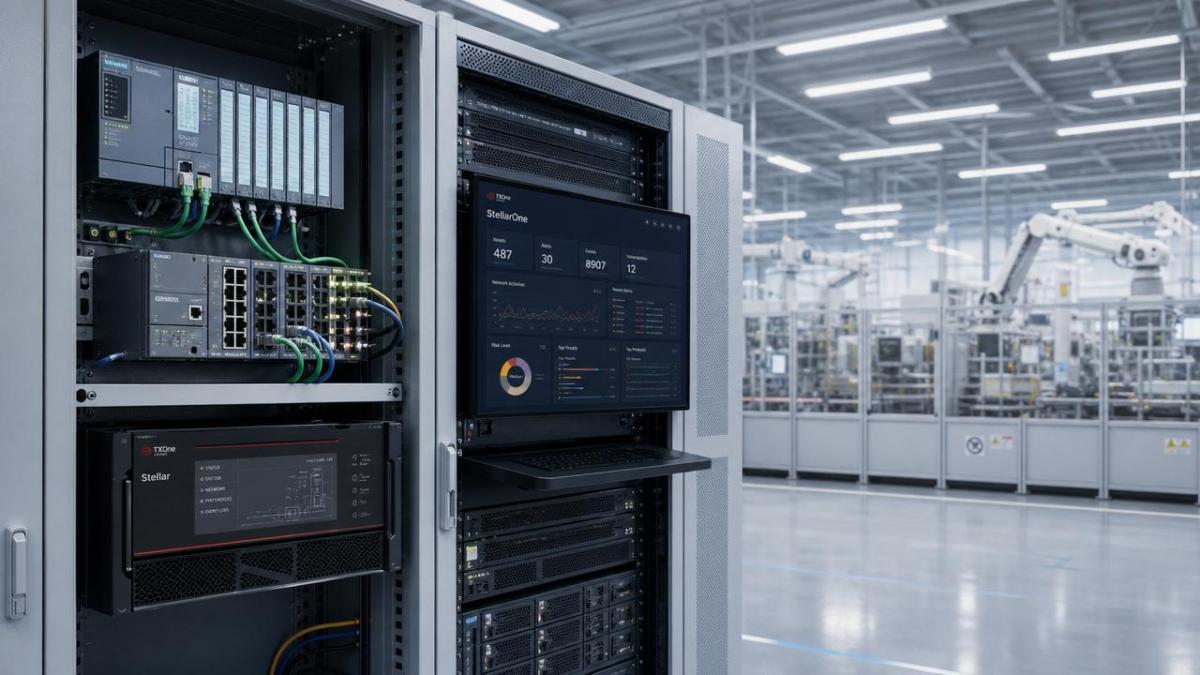
An industrial cybersecurity supplier operates in a different risk environment than a general IT security vendor. Plants, utilities, fabs, logistics hubs, and process facilities depend on uptime, safety, and deterministic control.
In 2026, comparison is harder because suppliers claim broader OT coverage, AI-driven detection, and platform integration. A checklist reduces marketing bias and forces evidence-based evaluation across technical, operational, and governance dimensions.
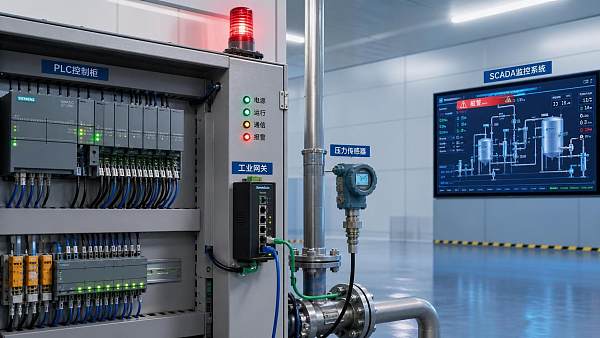
It also helps align cybersecurity review with industrial realities. Legacy PLCs, SCADA platforms, digital twins, remote maintenance links, and export control constraints all affect supplier fit.
Core checklist for comparing industrial cybersecurity suppliers in 2026
- Verify OT standards alignment, including IEC 62443, NIST CSF, ISO 27001, and sector-specific safety requirements, then request current certificates, audit summaries, and documented control mappings.
- Examine native industrial protocol visibility for Modbus, OPC UA, PROFINET, DNP3, EtherNet/IP, BACnet, and proprietary traffic used in mixed automation environments.
- Check whether the industrial cybersecurity supplier supports passive discovery first, minimizing scan-related disruption to PLCs, HMIs, historians, and fragile legacy control assets.
- Compare threat detection logic for OT use cases, including unauthorized engineering workstation changes, unsafe logic downloads, remote access abuse, and lateral movement across plant segments.
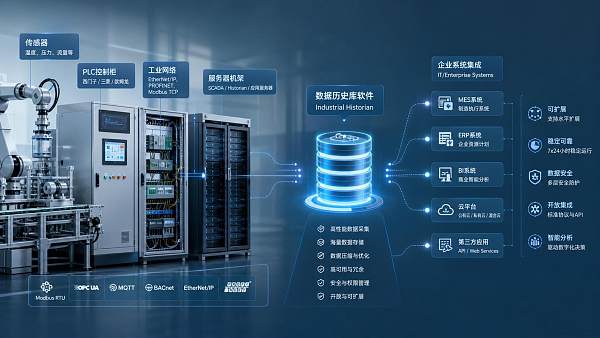
- Assess integration depth with SCADA, MES, SIEM, CMMS, EDR, firewall platforms, identity systems, and industrial software used for monitoring and digital twin operations.
- Review incident response capabilities, including OT playbooks, site-safe containment methods, forensic support, recovery workflows, and coordination with operations during live events.
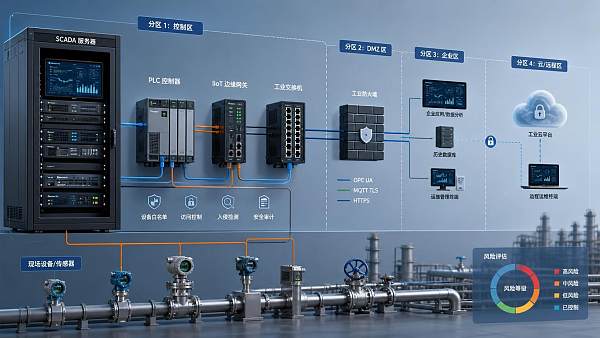
- Request architecture details covering on-premises, edge, hybrid, and air-gapped deployment models, especially where latency, sovereignty, or restricted connectivity shape design choices.
- Measure asset inventory accuracy, software bill of materials visibility, firmware identification, vulnerability prioritization, and support for compensating controls where patching is impractical.
- Test role-based access, privileged session recording, and remote vendor management controls because third-party maintenance remains a major industrial exposure pathway.
- Validate reporting quality by checking engineering-level evidence, root-cause context, MITRE ATT&CK for ICS mapping, and executive summaries that support risk communication.
- Compare service maturity, including onboarding methodology, training depth, OT analyst experience, regional support hours, and escalation access to senior technical specialists.
- Investigate supplier transparency on roadmap stability, data handling, subcontractors, vulnerability disclosure, and geopolitical or export control risks that may affect long-term continuity.
How to score each industrial cybersecurity supplier
Use weighted scoring rather than feature counting. Standards compliance, protocol depth, safe deployment, and response readiness usually deserve more weight than dashboard appearance or generic AI claims.
A practical model uses five scoring bands: mandatory, high value, situational, weak evidence, and unacceptable gap. This quickly highlights whether an industrial cybersecurity supplier fits critical operations.
Application-specific considerations across industrial environments
Process industries and utilities
A suitable industrial cybersecurity supplier must prioritize safety interlocks, continuous operations, and segmented network monitoring. Passive inspection and strict change accountability are usually non-negotiable in these environments.
Look closely at alarm fidelity and false positive rates. Excessive noise weakens operator trust and slows response during a real OT cyber event.
Discrete manufacturing and robotics
Here, the industrial cybersecurity supplier should understand machine cells, robot controllers, industrial Ethernet, and production line dependencies. Short outages can create cascading quality and throughput losses.
Integration with MES, maintenance systems, and engineering workstations matters more than generic office-network controls. Compare how each supplier handles recipe integrity and unauthorized logic changes.
Semiconductor and high-precision facilities
Advanced fabs and precision environments require extremely low disruption tolerance. The industrial cybersecurity supplier should show experience with tool connectivity, cleanroom operations, and high-value process data protection.
Supplier review should also include export control awareness, supply chain traceability, and integration with tightly governed industrial software ecosystems.
Critical infrastructure and distributed assets
Distributed operations need scalable visibility across substations, pumping stations, field gateways, and remote service channels. Edge deployment and intermittent connectivity support are essential comparison points.
The best industrial cybersecurity supplier in this scenario proves it can preserve visibility and response quality even when centralized access is delayed or partially unavailable.
Commonly overlooked risks when selecting an industrial cybersecurity supplier
One frequent mistake is accepting broad protocol claims without packet-level demonstration. Real coverage should show asset context, command visibility, and behavior analysis, not simple traffic recognition.
Another risk is ignoring deployment safety. Active scanning, fragile collectors, or undocumented network changes can create operational instability in environments with older control systems.
Some teams overvalue centralized dashboards and undervalue service competence. A credible industrial cybersecurity supplier needs OT-fluent support engineers, not only attractive user interfaces.
Contract language is often overlooked. Review liability limits, breach notification timing, data retention, subcontractor access, and vulnerability remediation responsibilities before final comparison.
Long-term viability matters too. Product acquisitions, abrupt roadmap changes, or region-specific compliance issues can weaken the usefulness of an otherwise strong industrial cybersecurity supplier.
Practical execution steps for a better supplier comparison
- Define a controlled test scope with representative assets, protocols, remote access paths, and integration points before inviting any industrial cybersecurity supplier into evaluation.
- Require evidence packs, not slide claims, including architecture diagrams, support matrices, detection samples, certificate status, and named references from comparable industrial sites.
- Run a proof of value using realistic OT scenarios such as unsafe configuration change, vendor remote session misuse, or anomalous east-west traffic between control zones.
- Score results with cross-functional reviewers and document unresolved assumptions, especially where supplier statements depend on future roadmap items or custom engineering.
- Negotiate onboarding milestones, data ownership, escalation paths, and update governance so the selected industrial cybersecurity supplier remains accountable after deployment.
Conclusion and next action
To compare an industrial cybersecurity supplier effectively in 2026, focus on evidence, OT fit, safe deployment, and supplier resilience. Strong evaluation comes from structured testing, not vendor messaging.
Build a weighted checklist, validate claims in a realistic environment, and document operational constraints early. That approach produces a more defensible supplier decision and lowers industrial cyber risk over time.
If the comparison process starts now, the next step is simple: shortlist candidates, request proof-based documentation, and test each industrial cybersecurity supplier against live operational requirements.
Recommended News
 Oct 18, 2026How to reduce nuisance alarms in water treatment SCADA systemsOptimize SCADA systems for water treatment. Discover proven ways to reduce nuisance alarms, tune alarm logic, and improve operator focus without compromising treatment safeguards.
 Oct 15, 2026Can digital manufacturing solutions work with legacy factory PLCs?Explore digital manufacturing solutions for factories that work with legacy PLCs. Learn how to assess connectivity, data quality, and security before investing in integration.
 Oct 14, 2026Why Does SCADA Data Differ from Field Device Readings?Why does SCADA data fail to match field device readings? Discover common scaling, timing, and communication errors, plus practical checks to pinpoint mismatches and avoid unnecessary calibration.
 Oct 03, 2026How IoT integration for smart agriculture reduces irrigation wasteIoT integration for smart agriculture cuts irrigation waste with soil, weather, flow, and pressure data—helping farms automate smarter watering and detect leaks early.
 Sep 24, 2026How Zigbee mesh latency affects smart hotel guest room controlsSmart hotel Zigbee mesh latency can shape guest comfort and system reliability. Learn how to design, test, and optimize responsive hotel room controls.
![]() Oct 15, 2026How Much Does Industrial Automation Software Implementation Cost?How much does industrial automation software implementation cost? Explore project pricing, key cost drivers, hidden expenses, and smart budgeting strategies.
Oct 15, 2026How Much Does Industrial Automation Software Implementation Cost?How much does industrial automation software implementation cost? Explore project pricing, key cost drivers, hidden expenses, and smart budgeting strategies. Sep 11, 2026How edge processing latency affects real-time SCADA alarmsEdge processing latency can make or break real-time SCADA alarms. Learn how to benchmark delay, improve alarm integrity, and build resilient response paths.
 Sep 09, 2026How energy management analytics uncovers avoidable peak-demand costsEnergy management analytics reveals avoidable peak-demand costs, identifies controllable load spikes, and helps finance teams cut utility charges with confidence.
 Aug 31, 2026How SCADA data polling frequency affects alarm response timeSCADA data polling frequency directly shapes alarm response time. Learn how scan rates, latency, delays, and network behavior affect reliable detection.
 Aug 29, 2026When open source industrial OPC UA is the right fit for SCADA integrationOpen source industrial OPC UA for SCADA integration: explore interoperability, security, lifecycle ownership, and evaluation steps for scalable multi-vendor operations.
 Aug 12, 2026How to Scope an Industrial Cybersecurity Risk Assessment for SCADA and IIoT SystemsIndustrial cybersecurity risk assessment for SCADA and IIoT starts with the right scope. Learn how to define boundaries, map consequences, and uncover hidden attack paths.
 Aug 06, 2026How to Evaluate Data Historian Software for Automation Integration and ScalingData historian software for automation: learn how to evaluate integration, scalability, data integrity, and security to choose a platform that supports growth and smarter decisions.
 Jul 31, 2026How Smart Hotel AI Helps Reduce Energy Costs Without Hurting Guest ExperienceSmart hotel AI helps hotels cut energy costs by controlling HVAC, lighting, and occupancy-based settings—without hurting guest comfort. Learn what to check before you buy.
 Jul 30, 2026How Industrial Digitization for Electronics Cuts Downtime in High-Mix ProductionIndustrial Digitization for electronics helps high-mix manufacturers cut downtime by improving changeovers, traceability, maintenance response, and line decisions. Learn where digital tools deliver the fastest ROI.
 Jul 22, 2026Supply Chain Resilience Risk Management: Key Metrics and Response PlansSupply Chain Resilience risk management explained with key metrics, scenario-based thresholds, and response plans to reduce disruption, qualification delays, and hidden supply risk.
 Jul 15, 2026Energy Software for Manufacturing Plants: Cost Savings vs Integration RiskEnergy software for manufacturing plants can cut utility waste, but only if savings outweigh integration risk. Learn how to evaluate ROI, data quality, cybersecurity, and rollout fit.
 Jul 14, 2026Fintech in 2026: Which Operating Trends Matter Most for Growth PlanningFintech in 2026 is shifting from rapid expansion to governed scale. Explore the key trends shaping growth planning, from embedded finance and AI risk controls to resilience and compliance.
 Jul 13, 2026When Data Historian Software for Manufacturing Delivers ROIData historian software for manufacturing delivers ROI by reducing downtime, improving quality, and speeding compliance. See how to evaluate value before you buy.
 Jul 13, 20265G IIoT Gateway Wholesale: Key Specs That Affect Deployment Cost5g iiot gateway wholesale decisions should go beyond unit price. Learn which specs cut deployment cost, reduce integration risk, and improve long-term industrial ROI.
 Jul 11, 2026SCADA Systems in the Middle East: Key Compliance and Integration ChecksSCADA Systems Middle East projects need more than features. Discover key compliance, cybersecurity, and integration checks to reduce risk, protect uptime, and choose the right platform.
 Jul 09, 2026Industrial Technology Platform Pricing: What Drives Total Cost Beyond the LicenseIndustrial technology platform pricing goes far beyond the license. Learn the hidden cost drivers—integration, compliance, scalability, and support—to make smarter buying decisions.
 Jul 09, 2026Industrial Standards Compliance for Electronics: Key Gaps That Delay Market AccessIndustrial standards compliance for electronics often stalls market access due to hidden gaps in testing, traceability, supplier records, and regional rules. Learn how to spot risks early and accelerate certification.
 Jul 08, 2026IT Infrastructure Gaps That Slow Industrial GrowthIT infrastructure gaps can quietly slow industrial growth, raise risk, and weaken supply chains. Learn which issues matter most and how to fix them for faster, smarter scaling.
 Jul 06, 2026Open Source Industrial SCADA: Key Risks, Benefits, and FitOpen source industrial SCADA: explore key benefits, cybersecurity risks, costs, and best-fit use cases to see if it can support reliable, scalable industrial operations.