Search News
Industry Portal
Popular Tags
Commercial Refrigerators: Energy-Saving Buying Guide

Author
Time
Click Count
Commercial Refrigerators: Energy-Saving Buying Guide
Commercial refrigerators are a critical investment for procurement teams balancing performance, compliance, and long-term operating cost. In this energy-saving buying guide, we break down the key factors that influence efficiency, reliability, and total cost of ownership—helping buyers compare commercial refrigerators with confidence and choose models that support both operational needs and sustainability goals.
Why energy efficiency matters in commercial refrigerators
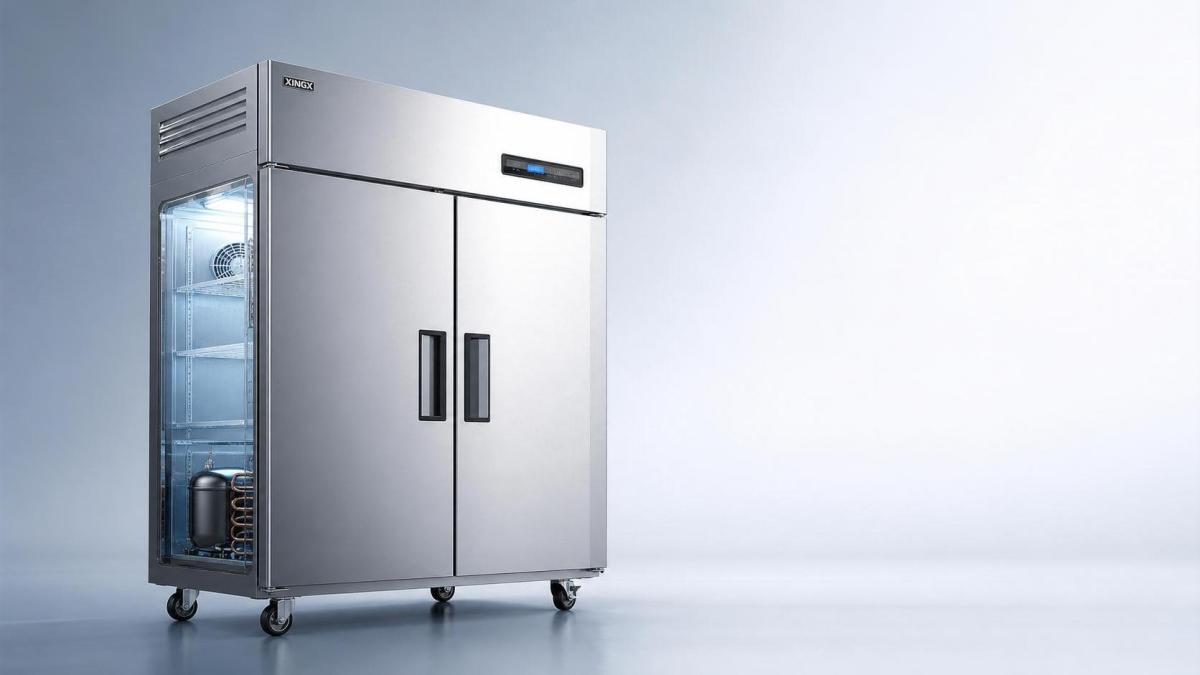
For procurement teams, the purchase price is only the start. Commercial refrigerators run all day, every day, so energy use quickly becomes a major part of operating cost.
That is why energy-saving commercial refrigerators often deliver better value over time. Lower utility bills, less heat output, and fewer maintenance issues can all improve site performance.
In practice, the best choice is not always the cheapest unit. It is the model that fits the workload, stays stable under demand, and avoids waste across years of service.
Key features that affect operating cost
When comparing commercial refrigerators, start with the features that directly shape energy consumption. Small design differences can create large cost gaps over the life of the asset.
- High-efficiency compressors that reduce power draw during peak cycles
- Thick insulation that helps hold temperature with less compressor activity
- Self-closing doors and strong seals that limit cold-air loss
- LED lighting that cuts internal heat and lowers electricity use
- Smart controllers that stabilize temperature and reduce unnecessary cycling
These details matter because they influence both daily consumption and service frequency. A unit that looks similar on paper may behave very differently in a busy kitchen, warehouse, or retail backroom.
How to evaluate commercial refrigerators for procurement
A practical buying process should go beyond capacity and exterior finish. The real question is how the refrigerator supports your workflow without creating hidden cost.
Start by checking daily load patterns. A restaurant, hospital, and convenience store will all need commercial refrigerators, but the duty cycle, door openings, and storage access are not the same.
Next, compare energy labels, temperature recovery time, and expected ambient performance. Units that stay efficient in hot rooms or near cooking equipment are usually better suited for demanding sites.
It also helps to request estimated annual energy use from suppliers. That number gives procurement teams a clearer basis for comparing commercial refrigerators on total cost instead of sticker price alone.
Compliance, reliability, and risk control
Energy savings are important, but procurement decisions also need reliability. A low-power unit that struggles with temperature stability can create product loss, compliance problems, and service disruption.
Look for commercial refrigerators that align with relevant safety and efficiency standards in your market. Verified documentation, clear test data, and service traceability reduce buying risk.
This is especially important for regulated operations. In food service, healthcare, and lab-adjacent environments, steady temperature control is not optional. It is part of operational integrity.
Reliable suppliers should also provide spare-part access, warranty terms, and local service coverage. Those factors often decide whether commercial refrigerators remain cost-efficient after installation.
A simple comparison framework for buyers
When several commercial refrigerators meet the basic spec, use a structured comparison to avoid guesswork. A clear scoring method helps teams justify the final decision.
This framework is easy to adapt across categories, whether you are buying upright units, undercounter models, or large-format commercial refrigerators for central storage.
Practical buying tips for lower total cost
A few procurement habits can make a noticeable difference. First, match capacity to real demand instead of buying extra volume “just in case.” Oversized commercial refrigerators often waste energy and occupy space.
Second, consider the site layout. A refrigerator placed near ovens, direct sunlight, or high-traffic doors will work harder and consume more power.
Third, ask about routine maintenance requirements. Easy-clean coils, accessible filters, and simple controls reduce labor cost and help the equipment stay efficient.
Finally, think in lifecycle terms. Commercial refrigerators with slightly higher upfront cost can still win if they cut energy use, limit breakdowns, and stay stable for longer.
Final selection guidance
The best commercial refrigerators are not just cold-storage assets. They are operating tools that affect cost control, compliance, and service quality every day.
For procurement teams, the winning approach is simple: compare real energy data, check reliability features, and evaluate service support alongside price. That balance gives you a more defensible purchase and a lower total cost of ownership.
If you are preparing a new purchase or replacement cycle, use this guide as a shortlist filter. The right commercial refrigerators should support performance now and stay efficient well into the future.
Recommended News
 Oct 17, 2026Can engineering plastics for orthopaedics withstand steam sterilisation?Can engineering plastics for orthopaedics withstand steam sterilisation? Explore PEEK, PPSU and essential testing criteria to choose durable materials for reusable devices.
 Oct 07, 2026When does an aerogel insulation blanket outperform mineral wool?Aerogel insulation blanket vs. mineral wool: discover when thinner, high-efficiency insulation delivers better thermal control, retrofit flexibility, and lifecycle value.
 Aug 26, 2026How to check whether medical gloves meet the right safety standardMedical gloves safety starts with the right standard. Learn how to verify claims, test reports, labeling, and batch records to choose compliant gloves with confidence.
 Aug 19, 2026When does thermoset molding resin outperform thermoplastics in parts design?Thermoset molding resin outperforms thermoplastics in high-heat, chemical, and electrical applications. Learn when its crosslinked stability delivers longer-lasting part performance.
 Aug 14, 2026How to choose bio-based engineering plastics for European supply chainsBio-based engineering plastics Europe guide: learn how to choose the right grade for performance, compliance, and supply chain reliability.
 Jul 12, 2026Conductive Polymers for Antistatic Packaging: What Impacts ESD Stability MostConductive polymers for antistatic packaging: learn what really drives ESD stability most—formulation, dispersion, environment, and process control—to reduce risk and choose reliable packaging.
 Jul 05, 2026Engineering Material Selection for Semiconductors: Failure Risks to AvoidEngineering material selection for semiconductors: learn the failure risks that hurt yield, uptime, and compliance, and discover smarter choices for reliable fab performance.
 Jul 04, 2026PTFE Sheet RoHS Factory Checklist: Material Proof, Testing, and Compliance Riskptfe sheet RoHS factory checklist: verify material proof, test records, traceability, and change control to reduce compliance risk and approve suppliers with confidence.
 Jun 29, 2026How to Compare Home Accessories by Material, Style, and Room FitHome accessories comparison made simple: learn how to evaluate material, style, and room fit to choose durable, cohesive pieces that elevate every space with confidence.
 Jun 28, 20263D Printing Quotation: What Changes Price the Most?3D printing quotation costs can change fast based on material, geometry, tolerance, finishing, and lead time. Learn what drives pricing most and compare quotes with confidence.
 Jun 26, 2026Commercial Refrigerators: Capacity vs. Operating CostCommercialrefrigerators buyers can compare capacity vs. operating cost to find the best fit for efficiency, workflow, and long-term value.
 Jun 26, 2026Commercial Refrigerators: Energy-Saving Buying GuideCommercial refrigerators energy-saving buying guide for procurement teams: compare efficiency, reliability, and total cost to choose smarter, lower-operating-cost models.
 Jun 24, 2026Silicone Products Failure Causes in Sealing and Insulation UseSilicone products often fail when real sealing and insulation conditions are overlooked. Learn key causes, warning signs, and smarter selection tips to prevent leaks, aging, and early downtime.
 Jun 24, 2026How to Compare Silicone Products by Heat, Wear, and ComplianceSilicone products compared the right way: learn how to assess heat resistance, wear performance, and compliance data to choose safer, longer-lasting options with confidence.
 Jun 21, 2026Foldable Screen Technology for Tablets: Durability vs. WeightFoldable screen technology for tablets explained: compare durability, weight, hinge reliability, materials, and repair risk to choose a foldable tablet that truly lasts.
 Jun 20, 2026Jewelry Display Stands: Common Material Mistakes to AvoidJewelrydisplaystands buying guide: avoid common material mistakes that cause scratches, fading, peeling, and fast wear. Learn how to choose durable, attractive stands for every retail setting.
 Jun 19, 2026Polyurethane Foam Insulation Bulk: When Lower Price Leads to Higher Jobsite WastePolyurethane foam insulation bulk may look cheaper upfront, but inconsistent yield, rework, and jobsite waste can raise total cost. Learn how to choose for real installed value.
 Jun 18, 2026How to Choose Car Seat Covers for Pets That Actually Stay CleanCar seat covers for pets that truly stay clean start with the right materials, fit, and design. Learn how to choose durable, easy-clean options that handle fur, mud, and daily travel.
 Jun 17, 2026Acrylic Keychains: Cost, MOQ, and Print Quality FactorsAcrylickeychains sourcing guide: compare cost, MOQ, and print quality factors to avoid hidden risks, improve supplier decisions, and secure consistent branded results.
 Jun 15, 2026EPDM Rubber Extrusion: Common Defects and How to Prevent ThemEPDMrubberextrusion defects can lead to leaks, poor fit, and early aging. Discover common issues, root causes, and practical prevention tips to improve quality and reliability.
 Jun 14, 2026Resins and Hardeners: How to Match Pot Life, Strength, and FinishResins and hardeners guide pot life, strength, and finish in real production. Learn how to match systems for reliable performance, better quality control, and fewer costly failures.
 Jun 10, 20263D Printing Material Breakthroughs Shaping Production in 20263d printing material breakthroughs are reshaping 2026 production with stronger polymers, cleaner metal powders, and scalable qualification paths—see what drives lower risk and faster adoption.
![]() Jun 09, 2026Papercupswholesale: 7 Hidden Cost Factors Before You OrderPapercupswholesale buyers often miss the real cost behind low quotes. Discover 7 hidden factors—from freight and compliance to MOQ and print risk—before you order.
Jun 09, 2026Papercupswholesale: 7 Hidden Cost Factors Before You OrderPapercupswholesale buyers often miss the real cost behind low quotes. Discover 7 hidden factors—from freight and compliance to MOQ and print risk—before you order. Jun 07, 2026Extruded Polystyrene XPS Board vs EPS: Key Performance DifferencesExtruded polystyrene XPS board vs EPS: discover key differences in strength, moisture resistance, thermal stability, and lifecycle value for smarter insulation decisions.