Search News
Industry Portal
Popular Tags
Industrialrubberhoses: Failure Signs to Watch
Author
Time
Click Count
For quality control and safety managers, industrialrubberhoses are often small components with major operational risk.
A minor crack, blister, stiffness change, or fitting leak can indicate deeper material degradation, pressure fatigue, chemical incompatibility, or installation stress.
Identifying these failure signs early helps prevent downtime, contamination, injury, and costly compliance issues across demanding industrial operations.
Industrialrubberhoses Failure Signs in Real Operating Scenes
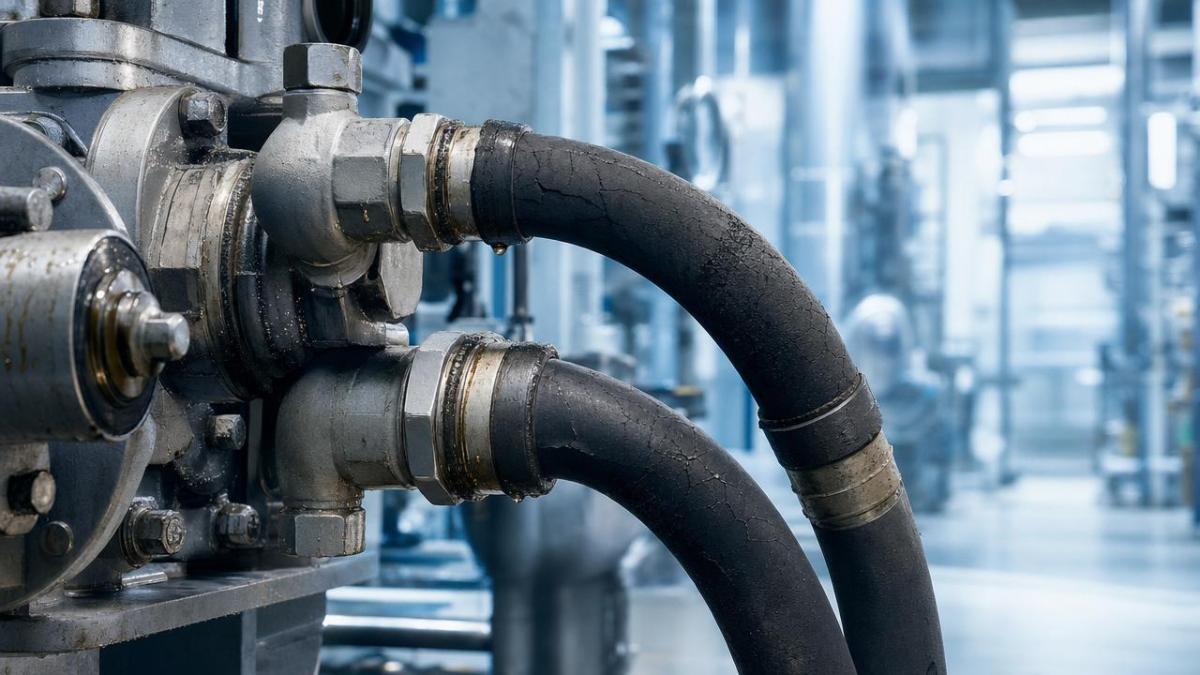
Industrialrubberhoses rarely fail without warning. Most failures begin as small visual, tactile, or performance changes during routine operation.
The warning pattern depends on pressure, temperature, media chemistry, movement, fittings, and exposure to abrasion or sunlight.
A hose transferring cooling water fails differently from one carrying hydraulic oil, solvents, steam, slurry, or compressed air.
That is why inspection should be scene-based, not limited to a generic visual checklist.
For G-CST-style technical benchmarking, hose evaluation should link field evidence with verifiable data, standards, and maintenance history.
Scene Background: Why Failure Signs Change by Application
Industrialrubberhoses operate inside broad industrial systems, including pumps, valves, test rigs, automated lines, utilities, and chemical transfer skids.
Each setting creates a different risk profile. Static routing, dynamic flexing, high heat, or chemical exposure all produce different symptoms.
In semiconductor support utilities, contamination and material compatibility often matter as much as burst strength.
In pump and valve systems, pulsation, suction collapse, and coupling stress may become the main concerns.
In advanced materials plants, abrasive particles can wear the inner tube long before the outer cover looks damaged.
Reliable assessment requires linking the visible sign to the operating scene and the probable degradation mechanism.
Scene 1: High-Pressure Hydraulic Lines Showing Cover Cracks
High-pressure hydraulic industrialrubberhoses often show early risk through cover cracking near bends, clamps, or crimped fittings.
Fine surface cracks may appear harmless, yet they can expose reinforcement to moisture, corrosion, and fatigue.
The key judgment is whether cracks are superficial, growing, or aligned with repeated flexing and pressure spikes.
Look for oil weeping, localized bulging, wire exposure, flattened bends, or stiffness changes near the stressed section.
If industrialrubberhoses operate near rated pressure, any crack combined with leakage or bulging should trigger immediate replacement.
Scene 2: Chemical Transfer Hoses with Blisters or Soft Spots
Chemical service creates failure signs that are not always visible during a quick walkdown.
Blisters, soft spots, swelling, odor changes, or discoloration can indicate chemical attack on the tube or cover.
Industrialrubberhoses used with acids, caustics, solvents, or additives need compatibility checks against actual concentration and temperature.
A hose approved for one chemical may fail quickly when exposed to a blend, cleaning agent, or elevated temperature.
The best indicator is often a trend: increasing diameter, tacky surface, harder feel, or reduced recovery after bending.
When chemical exposure is uncertain, quarantine the hose and verify media history before returning it to service.
Scene 3: Steam and Hot-Water Lines Becoming Brittle
Heat aging makes industrialrubberhoses harder, less elastic, and more likely to crack under movement.
Steam, hot water, and thermal cycling accelerate oxidation and can damage both tube and reinforcement.
A brittle hose may pass pressure at rest but fail during startup, shutdown, or accidental bending.
Common signs include cover checking, audible cracking during flexing, flattened areas, and leakage after cool-down.
For hot service, inspection should confirm temperature rating, pressure derating, coupling suitability, and drainage after shutdown.
Scene 4: Abrasive Slurry or Powder Transfer with Hidden Tube Wear
Abrasive service can destroy the inner tube while the outer cover still looks acceptable.
Industrialrubberhoses moving slurry, powders, pellets, or mineral suspensions need special attention at elbows, inlets, and impact zones.
Flow velocity, particle hardness, bend radius, and pulsation strongly influence wear rate.
Warning signs include reduced flow, pressure instability, vibration, exposed reinforcement, and localized thinning discovered during internal inspection.
If hose sections repeatedly fail at the same location, routing and support design should be reviewed, not only the hose grade.
Scene 5: Compressed Air and Utility Lines with Coupling Leaks
Compressed air utility hoses often fail at fittings before the hose body shows severe damage.
Coupling leaks, slipping clamps, damaged threads, or cracked ferrules can create sudden whipping hazards.
Industrialrubberhoses in air service should be checked for secure restraint, correct coupling type, and visible wear near connections.
Never treat a small air leak as only an efficiency issue. It can signal mechanical loosening or pressure fatigue.
Routine checks should include listening tests, soap solution verification, and pull inspection where permitted by safety rules.
Different Scene Requirements for Industrialrubberhoses Inspection
This comparison helps turn isolated observations into faster, scene-specific decisions for industrialrubberhoses maintenance.
Scene-Fit Recommendations for Safer Hose Decisions
A practical inspection program should combine scheduled checks, condition triggers, and documented replacement criteria.
- Map every critical hose by media, pressure, temperature, movement, and consequence of failure.
- Record installation date, hose specification, coupling type, and test certificate where available.
- Use shorter inspection intervals for industrialrubberhoses exposed to heat, chemicals, vibration, or abrasion.
- Replace hoses showing leakage, reinforcement exposure, severe swelling, persistent kinking, or fitting movement.
- Review routing if repeated failures occur near bends, clamps, moving machinery, or hot surfaces.
For high-consequence service, visual inspection alone is not enough. Pressure testing, sample cutbacks, or internal checks may be needed.
Industrialrubberhoses should also be assessed against applicable ISO, SAE, EN, ASME, or site engineering standards.
Common Misjudgments That Hide Hose Failure Risk
One common mistake is judging hose health only by the outer cover.
A clean cover can hide internal delamination, tube cracking, abrasion, or chemical softening.
Another mistake is assuming a higher pressure rating solves every problem.
Industrialrubberhoses must match media, temperature, vacuum, bend radius, electrical conductivity, and coupling design.
Over-tightened clamps, undersized bend radius, twisting during installation, and unsupported weight can shorten service life dramatically.
Ignoring storage conditions is also risky. Ozone, sunlight, heat, and long shelf life can age hoses before installation.
A final misjudgment is resetting the clock after a repair without investigating the original failure mechanism.
Action Guide: What to Do After a Warning Sign Appears
When a warning sign appears, first reduce exposure risk according to site procedures and isolate the affected line if necessary.
Then document the hose location, service media, pressure, temperature, observed symptom, and operating condition at discovery.
Compare the symptom against known failure modes for industrialrubberhoses in the same scene.
If the sign involves leakage, bulging, exposed reinforcement, chemical swelling, or coupling slip, replacement is usually safer than continued monitoring.
After replacement, review whether the selected hose matches the real application, not only the original purchase description.
Strong hose reliability comes from evidence-based selection, disciplined inspection, and feedback from field failures.
G-CST’s benchmarking mindset supports this approach by linking component behavior with standards, risk controls, and lifecycle data.
For operations using industrialrubberhoses in critical systems, the next step is a scene-based hose audit and documented replacement matrix.
Recommended News
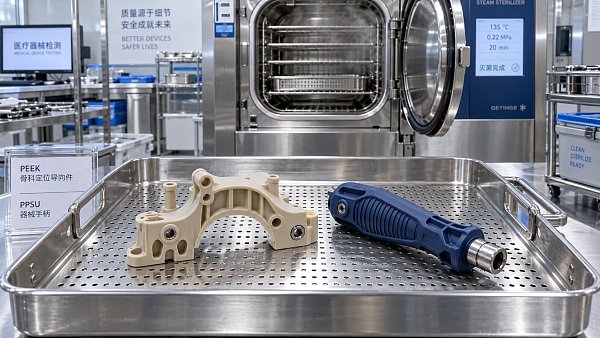
 Oct 17, 2026Can engineering plastics for orthopaedics withstand steam sterilisation?Can engineering plastics for orthopaedics withstand steam sterilisation? Explore PEEK, PPSU and essential testing criteria to choose durable materials for reusable devices.
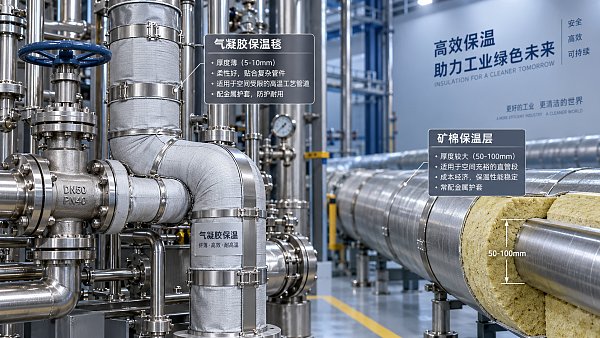
 Oct 07, 2026When does an aerogel insulation blanket outperform mineral wool?Aerogel insulation blanket vs. mineral wool: discover when thinner, high-efficiency insulation delivers better thermal control, retrofit flexibility, and lifecycle value.
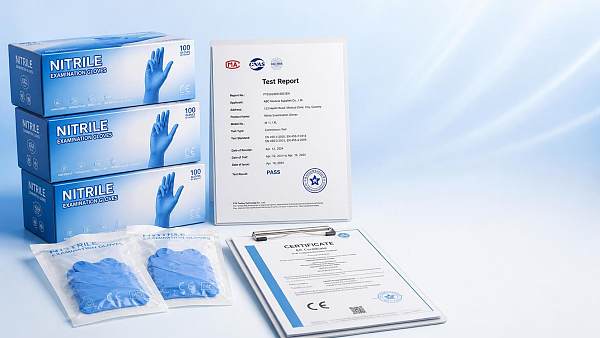
 Aug 26, 2026How to check whether medical gloves meet the right safety standardMedical gloves safety starts with the right standard. Learn how to verify claims, test reports, labeling, and batch records to choose compliant gloves with confidence.
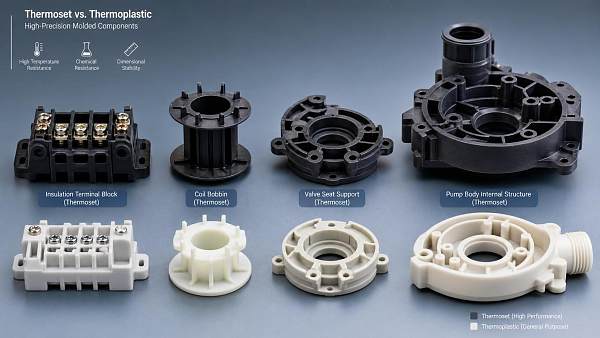
 Aug 19, 2026When does thermoset molding resin outperform thermoplastics in parts design?Thermoset molding resin outperforms thermoplastics in high-heat, chemical, and electrical applications. Learn when its crosslinked stability delivers longer-lasting part performance.
 Aug 14, 2026How to choose bio-based engineering plastics for European supply chainsBio-based engineering plastics Europe guide: learn how to choose the right grade for performance, compliance, and supply chain reliability.
 Jul 12, 2026Conductive Polymers for Antistatic Packaging: What Impacts ESD Stability MostConductive polymers for antistatic packaging: learn what really drives ESD stability most—formulation, dispersion, environment, and process control—to reduce risk and choose reliable packaging.
 Jul 05, 2026Engineering Material Selection for Semiconductors: Failure Risks to AvoidEngineering material selection for semiconductors: learn the failure risks that hurt yield, uptime, and compliance, and discover smarter choices for reliable fab performance.
 Jul 04, 2026PTFE Sheet RoHS Factory Checklist: Material Proof, Testing, and Compliance Riskptfe sheet RoHS factory checklist: verify material proof, test records, traceability, and change control to reduce compliance risk and approve suppliers with confidence.
 Jun 29, 2026How to Compare Home Accessories by Material, Style, and Room FitHome accessories comparison made simple: learn how to evaluate material, style, and room fit to choose durable, cohesive pieces that elevate every space with confidence.
 Jun 28, 20263D Printing Quotation: What Changes Price the Most?3D printing quotation costs can change fast based on material, geometry, tolerance, finishing, and lead time. Learn what drives pricing most and compare quotes with confidence.
 Jun 26, 2026Commercial Refrigerators: Capacity vs. Operating CostCommercialrefrigerators buyers can compare capacity vs. operating cost to find the best fit for efficiency, workflow, and long-term value.
 Jun 26, 2026Commercial Refrigerators: Energy-Saving Buying GuideCommercial refrigerators energy-saving buying guide for procurement teams: compare efficiency, reliability, and total cost to choose smarter, lower-operating-cost models.
 Jun 24, 2026Silicone Products Failure Causes in Sealing and Insulation UseSilicone products often fail when real sealing and insulation conditions are overlooked. Learn key causes, warning signs, and smarter selection tips to prevent leaks, aging, and early downtime.
 Jun 24, 2026How to Compare Silicone Products by Heat, Wear, and ComplianceSilicone products compared the right way: learn how to assess heat resistance, wear performance, and compliance data to choose safer, longer-lasting options with confidence.
 Jun 21, 2026Foldable Screen Technology for Tablets: Durability vs. WeightFoldable screen technology for tablets explained: compare durability, weight, hinge reliability, materials, and repair risk to choose a foldable tablet that truly lasts.
 Jun 20, 2026Jewelry Display Stands: Common Material Mistakes to AvoidJewelrydisplaystands buying guide: avoid common material mistakes that cause scratches, fading, peeling, and fast wear. Learn how to choose durable, attractive stands for every retail setting.
 Jun 19, 2026Polyurethane Foam Insulation Bulk: When Lower Price Leads to Higher Jobsite WastePolyurethane foam insulation bulk may look cheaper upfront, but inconsistent yield, rework, and jobsite waste can raise total cost. Learn how to choose for real installed value.
 Jun 18, 2026How to Choose Car Seat Covers for Pets That Actually Stay CleanCar seat covers for pets that truly stay clean start with the right materials, fit, and design. Learn how to choose durable, easy-clean options that handle fur, mud, and daily travel.
 Jun 17, 2026Acrylic Keychains: Cost, MOQ, and Print Quality FactorsAcrylickeychains sourcing guide: compare cost, MOQ, and print quality factors to avoid hidden risks, improve supplier decisions, and secure consistent branded results.
 Jun 15, 2026EPDM Rubber Extrusion: Common Defects and How to Prevent ThemEPDMrubberextrusion defects can lead to leaks, poor fit, and early aging. Discover common issues, root causes, and practical prevention tips to improve quality and reliability.
 Jun 14, 2026Resins and Hardeners: How to Match Pot Life, Strength, and FinishResins and hardeners guide pot life, strength, and finish in real production. Learn how to match systems for reliable performance, better quality control, and fewer costly failures.
 Jun 10, 20263D Printing Material Breakthroughs Shaping Production in 20263d printing material breakthroughs are reshaping 2026 production with stronger polymers, cleaner metal powders, and scalable qualification paths—see what drives lower risk and faster adoption.
![]() Jun 09, 2026Papercupswholesale: 7 Hidden Cost Factors Before You OrderPapercupswholesale buyers often miss the real cost behind low quotes. Discover 7 hidden factors—from freight and compliance to MOQ and print risk—before you order.
Jun 09, 2026Papercupswholesale: 7 Hidden Cost Factors Before You OrderPapercupswholesale buyers often miss the real cost behind low quotes. Discover 7 hidden factors—from freight and compliance to MOQ and print risk—before you order. Jun 07, 2026Extruded Polystyrene XPS Board vs EPS: Key Performance DifferencesExtruded polystyrene XPS board vs EPS: discover key differences in strength, moisture resistance, thermal stability, and lifecycle value for smarter insulation decisions.