Search News
Industry Portal
Popular Tags
Technical Apparel: Material Choices That Improve Durability
Author
Time
Click Count
For operators working in demanding industrial, field, or high-mobility environments, technical apparel is more than a uniform—it is a layer of protection, performance, and reliability. The right material choices can extend garment life, resist abrasion, manage moisture, and maintain comfort during long shifts or harsh conditions. This article explores how advanced fibers, coatings, blends, and construction methods improve durability, helping users select apparel that performs consistently where failure, discomfort, or premature wear can affect safety and productivity.
In sectors connected to semiconductor facilities, pump and valve maintenance, precision motion systems, digital infrastructure, and advanced materials handling, operators often move between clean zones, workshops, outdoor sites, and confined equipment areas. A garment may face 8–12 hour shifts, repeated bending, chemical mist, metal edges, static-sensitive components, and frequent laundering. Material selection therefore becomes a practical risk-control decision, not simply a purchasing preference.
Why Material Durability Matters in Operator-Focused Technical Apparel
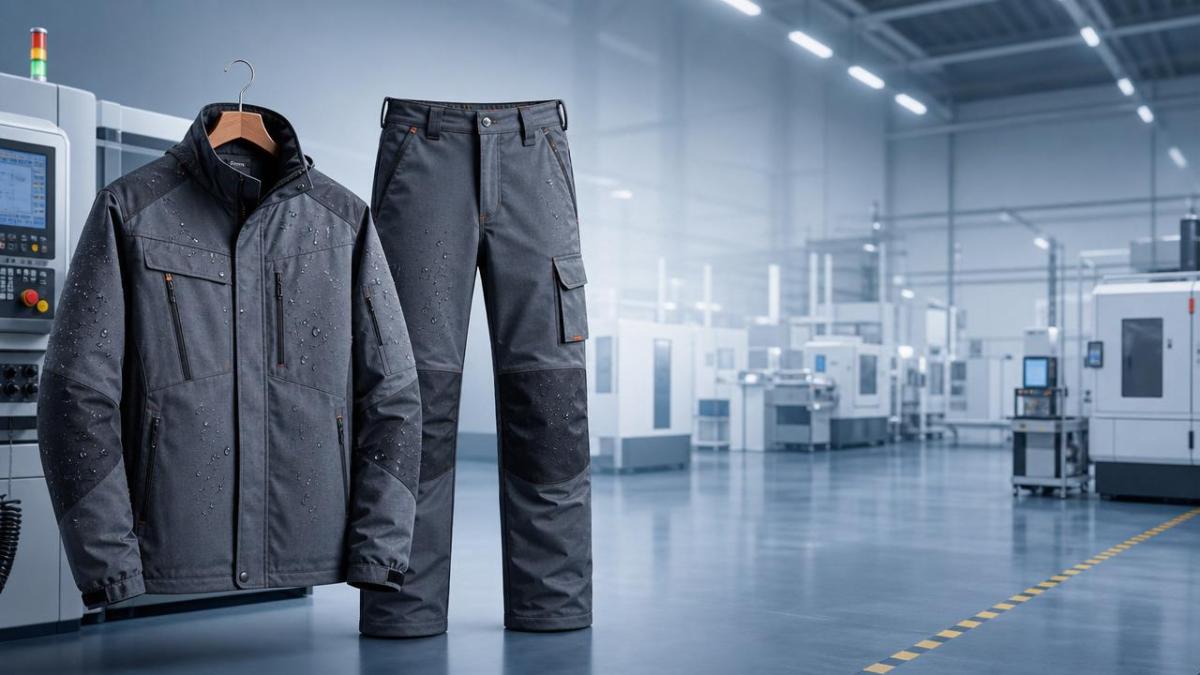
Durability in technical apparel is measured by how long a garment maintains protection, fit, comfort, and function under repeated stress. A shirt that resists tearing but traps heat may still fail the user. A jacket with strong fabric but weak seams can become unreliable after 20–40 wash cycles.
For operators, garment failure can affect more than appearance. A frayed cuff may catch on machinery, a worn knee panel may reduce protection, and poor moisture control can increase fatigue during high-mobility work. Durable apparel supports stable performance across predictable service intervals.
Operational stress points to evaluate
Most premature wear occurs in predictable zones. Elbows, knees, seat panels, shoulders, cuffs, zippers, and pocket openings usually experience the highest abrasion. In industrial environments, these zones may be exposed to repeated contact 50–200 times per shift.
- Abrasion from tools, ladders, racks, benches, and equipment housings.
- Flex fatigue caused by kneeling, climbing, crawling, and repetitive reaching.
- Moisture stress from sweat, rain, wash cycles, and process humidity.
- Thermal variation from outdoor work, cleanroom transitions, or hot machinery areas.
- Contamination risks from oils, solvents, dust, particulates, or chemical splashes.
The user benefit of longer service life
When technical apparel lasts through more shifts, users spend less time adjusting garments, reporting failures, or replacing items. Procurement teams also gain more predictable replacement cycles, commonly planned at 6, 12, or 18-month intervals depending on exposure intensity.
Core Fiber Choices: Strength, Comfort, and Wear Resistance
The base fiber defines much of a garment’s durability profile. No single fiber is ideal for every work setting. Effective technical apparel usually combines tensile strength, moisture behavior, thermal stability, and comfort into a balanced fabric system.
For demanding workwear, buyers commonly compare nylon, polyester, cotton blends, aramid fibers, modacrylic blends, and high-tenacity yarns. The right choice depends on whether the main hazard is abrasion, heat, flame, static, chemical contact, or long-duration movement.
The following table compares common material choices used in technical apparel for operators across industrial, field-service, and high-mobility environments.
The key conclusion is that material selection should match the highest-frequency stress, not just the most extreme hazard. A garment used daily against rough surfaces needs abrasion resilience first, while one used near energized systems may require certified flame-resistant performance.
Nylon and polyester in high-abrasion zones
Nylon is often selected for knees, elbows, and tool-contact areas because it handles rubbing better than many natural fibers. Polyester provides excellent shape retention, especially after 30–50 industrial laundering cycles, making it useful for consistent sizing.
In technical apparel, blends such as 65/35 polyester-cotton or nylon-cotton combinations are common because they balance comfort and endurance. The exact ratio should reflect whether the garment is worn indoors, outdoors, or across both environments.
When inherent protection is more durable than treatment
Some properties are built into the fiber, while others are added through treatments. Inherent flame resistance, for example, generally remains more stable over repeated laundering than a finish applied only to the surface.
Operators working near heat, energized panels, or process equipment should confirm whether protection is inherent, treated, or dependent on aftercare. A 2-step check—label review and maintenance instruction review—can prevent misuse.
Fabric Construction: Weave, Weight, Stretch, and Reinforcement
Fiber choice is only the beginning. Fabric construction determines how those fibers behave under motion and abrasion. Two garments made from similar yarns can perform differently if one uses ripstop and the other uses a plain weave.
For operators, construction affects mobility, heat buildup, snag resistance, and repairability. A practical specification should consider fabric weight, weave density, stretch percentage, reinforcement placement, and seam strength together.
Ripstop, twill, canvas, and knit structures
Ripstop fabrics use stronger yarns in a grid pattern to reduce tear propagation. This is useful when garments may catch on racks, valves, brackets, or metal corners during inspection and maintenance work.
Twill resists wrinkles and surface wear while allowing reasonable drape. Canvas provides toughness for outer layers but may feel stiff if fabric weight exceeds user comfort, especially above 300–350 gsm.
Stretch without early breakdown
Stretch panels can improve kneeling, climbing, and overhead work, but elastane content should be controlled. In many operator garments, 2–8% stretch fiber is enough to improve movement without excessive bagging or heat retention.
- Use stretch zones where movement occurs, not across the entire garment by default.
- Specify reinforcement where surfaces contact equipment, floors, or tool belts.
- Confirm recovery after washing, especially for trousers and coveralls.
- Avoid overly heavy fabrics that reduce compliance during 10–12 hour shifts.
Reinforced panels and seam engineering
Durable technical apparel often fails at the seam before the fabric itself. Double-needle stitching, bar tacks, gussets, and bonded seam options can extend service life in high-load areas.
For trousers, knee reinforcement should align with real kneeling positions, not just visual placement. For jackets, shoulder and cuff reinforcement should account for backpack straps, harness contact, and repetitive arm movement.
Coatings, Finishes, and Surface Technologies
Coatings and finishes improve resistance to water, oil, stains, static, and certain contaminants. However, every surface treatment must be evaluated for durability after abrasion and washing, not only its performance when new.
In industrial environments, technical apparel may require durable water repellent finishes, anti-static properties, antimicrobial odor control, or chemical splash resistance. These features should be selected according to risk exposure and maintenance reality.
The table below outlines practical surface technologies and the conditions where they add measurable value for operator apparel programs.
The most durable finish is the one that survives real operating conditions. A finish that performs well for 5 shifts but declines quickly may create inconsistent user confidence and unpredictable replacement timing.
Breathability and moisture management
Moisture management improves both comfort and durability. Fabrics that remain wet for long periods can increase odor, chafing, and fiber stress. Quick-dry layers are particularly useful during high-output work and climate changes.
For base layers, operators should look for wicking structures that move sweat away from the skin. For outer layers, breathability should be matched with weather resistance to avoid internal condensation.
Chemical and particulate considerations
In pump, valve, materials, and fabrication-related environments, exposure may include fine particulates, oils, cleaning agents, or low-volume splashes. Apparel should never replace dedicated PPE, but it can reduce routine contamination.
Where chemical exposure exists, procurement should request compatibility guidance and define the difference between nuisance resistance, splash resistance, and certified protective clothing. These are 3 separate performance levels.
Selection Framework for Users, Supervisors, and Procurement Teams
A durable technical apparel program should begin with actual user tasks. Operators know where garments fail first, which pockets are useful, and which fabrics become uncomfortable after several hours.
For B2B purchasing, material choice should be connected to job roles, maintenance policy, replacement cycle, and compliance requirements. A structured 5-step assessment can reduce mismatched specifications and unnecessary cost.
A 5-step apparel material assessment
- Map daily tasks by movement, exposure, and shift duration.
- Identify the top 3 wear points reported by operators.
- Define required standards, such as ISO, EN, ASTM, ANSI, or facility-specific controls.
- Test samples through at least 10–20 wear-and-wash cycles where possible.
- Review total cost per use, not only unit price.
Questions operators should ask before adoption
User feedback should be specific. Instead of asking whether a garment feels good, teams should ask whether it binds when kneeling, overheats after 2 hours, or rubs under harnesses.
- Does the fabric remain comfortable across the full shift?
- Do reinforced panels align with actual working posture?
- Are closures usable with gloves in cold or wet conditions?
- Do pockets secure tools without creating snag hazards?
- Does the garment maintain fit after repeated laundering?
G-CST’s benchmarking approach is especially relevant for organizations managing multi-site procurement. Apparel data can be reviewed alongside operational requirements, material risks, and supply-chain continuity across different industrial environments.
Maintenance Practices That Protect Material Performance
Even advanced technical apparel can fail early if maintenance is inconsistent. Washing temperature, drying method, detergent type, and repair timing all influence durability. Operators should receive simple instructions that fit daily routines.
For many work garments, cold to moderate wash temperatures, controlled drying, and closure fastening before laundering reduce stress. High heat can damage stretch fibers, membranes, reflective trims, and some water-repellent finishes.
Practical care rules for longer garment life
- Inspect seams, cuffs, knees, and zippers every 2–4 weeks under heavy use.
- Separate heavily contaminated garments from standard wash loads.
- Avoid fabric softeners when moisture-wicking or anti-static performance is required.
- Repair small tears before they expand beyond 20–30 mm.
- Retire apparel when protective function, fit, or visibility is no longer reliable.
When replacement is safer than repair
Repair is suitable for minor seam separation, small abrasions, or replaceable closures. Replacement is more appropriate when flame-resistant integrity, membrane function, high-visibility performance, or contamination control is compromised.
A clear retirement policy prevents operators from using worn garments beyond their serviceable condition. This is especially important where clothing supports visibility, static control, thermal protection, or contamination reduction.
Common Mistakes When Specifying Technical Apparel Materials
Many apparel programs fail because specifications focus on a single feature. Heavier fabric is not always more durable in practice, and more coatings do not automatically create better protection.
The best technical apparel specifications are balanced. They consider 4 connected factors: hazard level, movement demand, climate exposure, and maintenance capacity. Ignoring any one of these factors can reduce adoption by users.
Mistake 1: choosing weight over mobility
A fabric that is too heavy may survive abrasion but reduce comfort and range of motion. Operators may roll sleeves, unzip jackets, or avoid using issued apparel, weakening the entire protective strategy.
Mistake 2: ignoring wash durability
A sample garment may look excellent when new, but the real question is how it performs after laundering. Shrinkage, pilling, fading, seam puckering, and coating loss often appear after 10–30 cycles.
Mistake 3: treating all operators as one user group
A cleanroom support technician, valve maintenance worker, SCADA field engineer, and materials handler do not need identical apparel. Segmenting users by task can reduce over-specification and improve comfort.
Building a Durable Apparel Program with Better Material Intelligence
Durable technical apparel starts with evidence: task mapping, material comparison, field testing, wash-cycle review, and operator feedback. When these elements are connected, organizations can select garments that work reliably beyond first use.
For operators, the right material choices mean fewer distractions, better comfort, and more consistent protection. For supervisors and procurement teams, they support predictable replacement planning, lower waste, and more defensible purchasing decisions.
G-CST helps industrial buyers evaluate advanced materials, performance claims, compliance considerations, and cross-sector reliability needs with a benchmarking mindset. If your team is reviewing technical apparel for demanding environments, contact us to discuss material options, compare specifications, or request a tailored solution for your operating conditions.
Recommended News
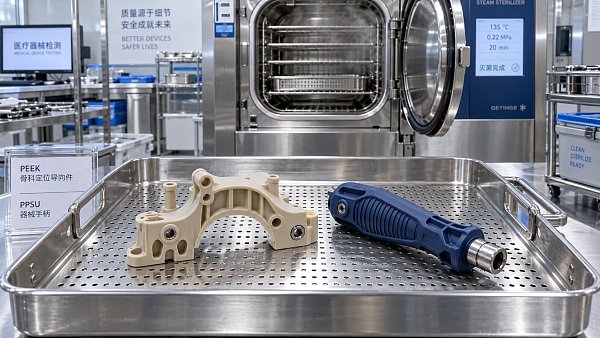
 Oct 17, 2026Can engineering plastics for orthopaedics withstand steam sterilisation?Can engineering plastics for orthopaedics withstand steam sterilisation? Explore PEEK, PPSU and essential testing criteria to choose durable materials for reusable devices.
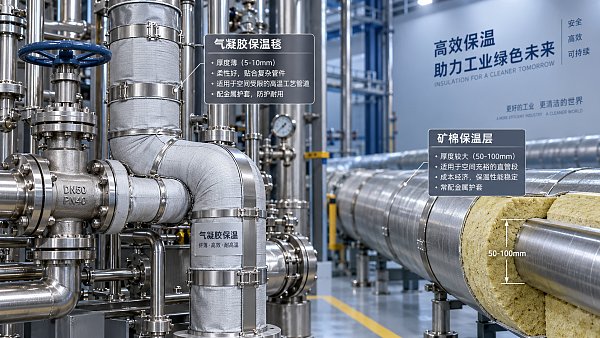
 Oct 07, 2026When does an aerogel insulation blanket outperform mineral wool?Aerogel insulation blanket vs. mineral wool: discover when thinner, high-efficiency insulation delivers better thermal control, retrofit flexibility, and lifecycle value.
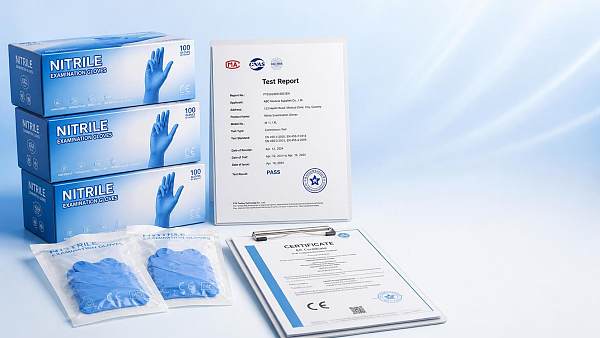
 Aug 26, 2026How to check whether medical gloves meet the right safety standardMedical gloves safety starts with the right standard. Learn how to verify claims, test reports, labeling, and batch records to choose compliant gloves with confidence.
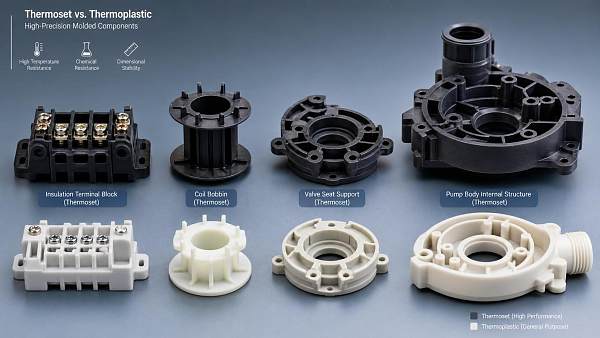
 Aug 19, 2026When does thermoset molding resin outperform thermoplastics in parts design?Thermoset molding resin outperforms thermoplastics in high-heat, chemical, and electrical applications. Learn when its crosslinked stability delivers longer-lasting part performance.
 Aug 14, 2026How to choose bio-based engineering plastics for European supply chainsBio-based engineering plastics Europe guide: learn how to choose the right grade for performance, compliance, and supply chain reliability.
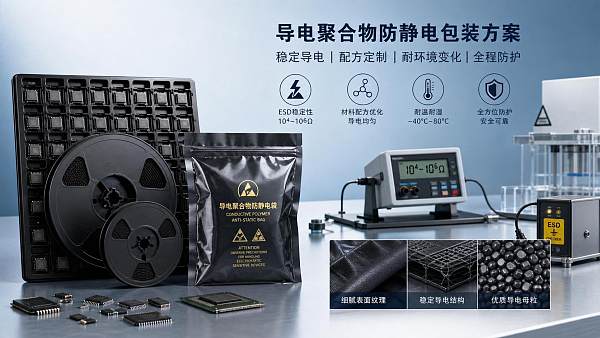
 Jul 12, 2026Conductive Polymers for Antistatic Packaging: What Impacts ESD Stability MostConductive polymers for antistatic packaging: learn what really drives ESD stability most—formulation, dispersion, environment, and process control—to reduce risk and choose reliable packaging.
 Jul 05, 2026Engineering Material Selection for Semiconductors: Failure Risks to AvoidEngineering material selection for semiconductors: learn the failure risks that hurt yield, uptime, and compliance, and discover smarter choices for reliable fab performance.
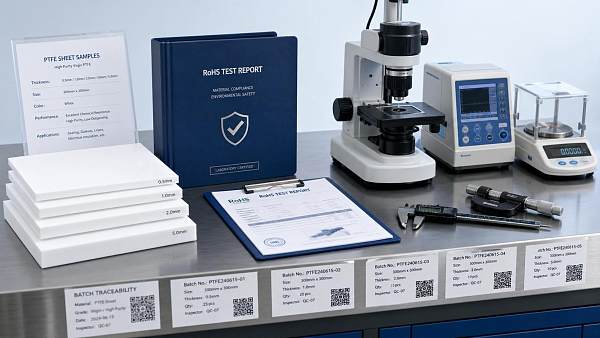
 Jul 04, 2026PTFE Sheet RoHS Factory Checklist: Material Proof, Testing, and Compliance Riskptfe sheet RoHS factory checklist: verify material proof, test records, traceability, and change control to reduce compliance risk and approve suppliers with confidence.
 Jun 29, 2026How to Compare Home Accessories by Material, Style, and Room FitHome accessories comparison made simple: learn how to evaluate material, style, and room fit to choose durable, cohesive pieces that elevate every space with confidence.
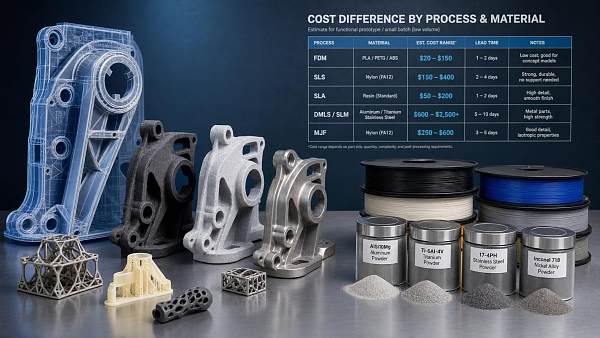
 Jun 28, 20263D Printing Quotation: What Changes Price the Most?3D printing quotation costs can change fast based on material, geometry, tolerance, finishing, and lead time. Learn what drives pricing most and compare quotes with confidence.
 Jun 26, 2026Commercial Refrigerators: Capacity vs. Operating CostCommercialrefrigerators buyers can compare capacity vs. operating cost to find the best fit for efficiency, workflow, and long-term value.
 Jun 26, 2026Commercial Refrigerators: Energy-Saving Buying GuideCommercial refrigerators energy-saving buying guide for procurement teams: compare efficiency, reliability, and total cost to choose smarter, lower-operating-cost models.
 Jun 24, 2026Silicone Products Failure Causes in Sealing and Insulation UseSilicone products often fail when real sealing and insulation conditions are overlooked. Learn key causes, warning signs, and smarter selection tips to prevent leaks, aging, and early downtime.
 Jun 24, 2026How to Compare Silicone Products by Heat, Wear, and ComplianceSilicone products compared the right way: learn how to assess heat resistance, wear performance, and compliance data to choose safer, longer-lasting options with confidence.
 Jun 21, 2026Foldable Screen Technology for Tablets: Durability vs. WeightFoldable screen technology for tablets explained: compare durability, weight, hinge reliability, materials, and repair risk to choose a foldable tablet that truly lasts.
 Jun 20, 2026Jewelry Display Stands: Common Material Mistakes to AvoidJewelrydisplaystands buying guide: avoid common material mistakes that cause scratches, fading, peeling, and fast wear. Learn how to choose durable, attractive stands for every retail setting.
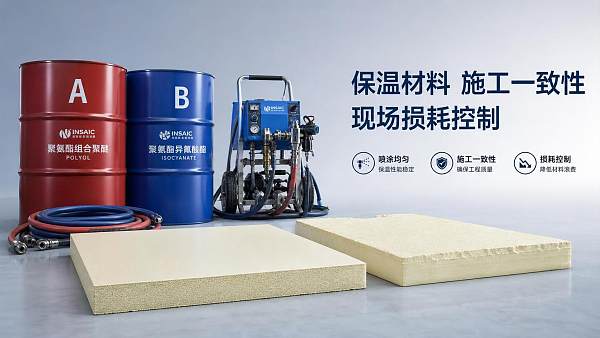
 Jun 19, 2026Polyurethane Foam Insulation Bulk: When Lower Price Leads to Higher Jobsite WastePolyurethane foam insulation bulk may look cheaper upfront, but inconsistent yield, rework, and jobsite waste can raise total cost. Learn how to choose for real installed value.
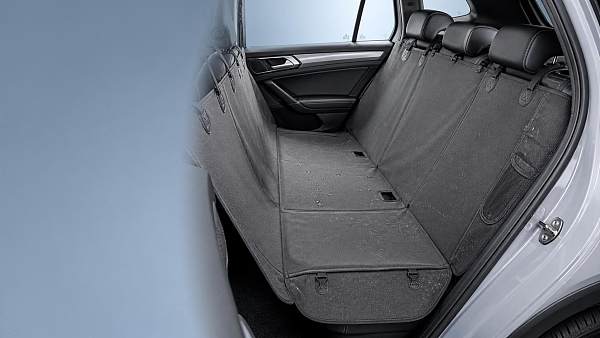
 Jun 18, 2026How to Choose Car Seat Covers for Pets That Actually Stay CleanCar seat covers for pets that truly stay clean start with the right materials, fit, and design. Learn how to choose durable, easy-clean options that handle fur, mud, and daily travel.
 Jun 17, 2026Acrylic Keychains: Cost, MOQ, and Print Quality FactorsAcrylickeychains sourcing guide: compare cost, MOQ, and print quality factors to avoid hidden risks, improve supplier decisions, and secure consistent branded results.
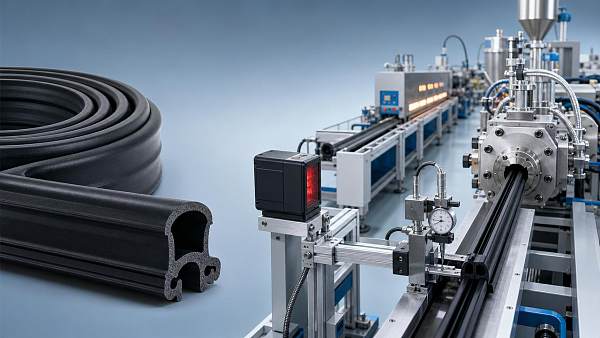
 Jun 15, 2026EPDM Rubber Extrusion: Common Defects and How to Prevent ThemEPDMrubberextrusion defects can lead to leaks, poor fit, and early aging. Discover common issues, root causes, and practical prevention tips to improve quality and reliability.
 Jun 14, 2026Resins and Hardeners: How to Match Pot Life, Strength, and FinishResins and hardeners guide pot life, strength, and finish in real production. Learn how to match systems for reliable performance, better quality control, and fewer costly failures.
 Jun 10, 20263D Printing Material Breakthroughs Shaping Production in 20263d printing material breakthroughs are reshaping 2026 production with stronger polymers, cleaner metal powders, and scalable qualification paths—see what drives lower risk and faster adoption.
![]() Jun 09, 2026Papercupswholesale: 7 Hidden Cost Factors Before You OrderPapercupswholesale buyers often miss the real cost behind low quotes. Discover 7 hidden factors—from freight and compliance to MOQ and print risk—before you order.
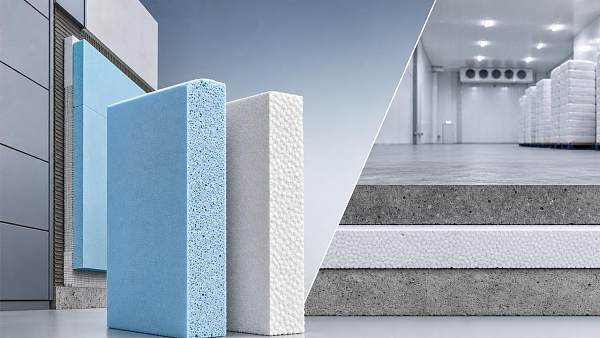
Jun 09, 2026Papercupswholesale: 7 Hidden Cost Factors Before You OrderPapercupswholesale buyers often miss the real cost behind low quotes. Discover 7 hidden factors—from freight and compliance to MOQ and print risk—before you order. Jun 07, 2026Extruded Polystyrene XPS Board vs EPS: Key Performance DifferencesExtruded polystyrene XPS board vs EPS: discover key differences in strength, moisture resistance, thermal stability, and lifecycle value for smarter insulation decisions.