Search News
Industry Portal
Popular Tags
Innovations in Friction Reduction That Improve Uptime
Author
Time
Click Count
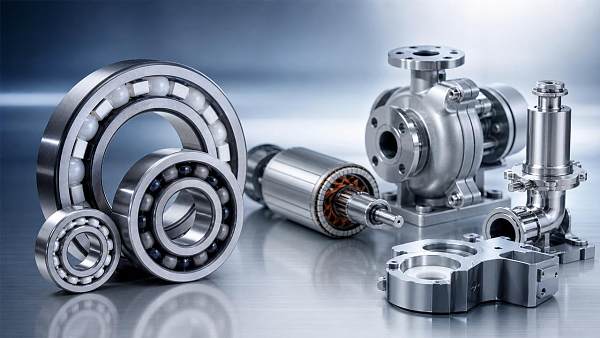
For aftermarket maintenance teams, uptime depends on controlling wear before it becomes failure. Innovations in friction reduction now influence service planning across pumps, bearings, valves, motion systems, and digitally monitored assets. They reduce heat, lower energy loss, and slow surface damage. In complex industrial environments, these improvements support longer maintenance intervals, cleaner operation, and better reliability outcomes.
Within cross-industry operations, innovations in friction reduction matter because assets rarely fail from one cause alone. Lubrication quality, load variation, contamination, alignment, coating durability, and temperature cycling interact continuously. The most effective approach is not universal. It depends on the operating scene, failure history, and the economics of downtime.
When high-duty rotating equipment drives uptime risk
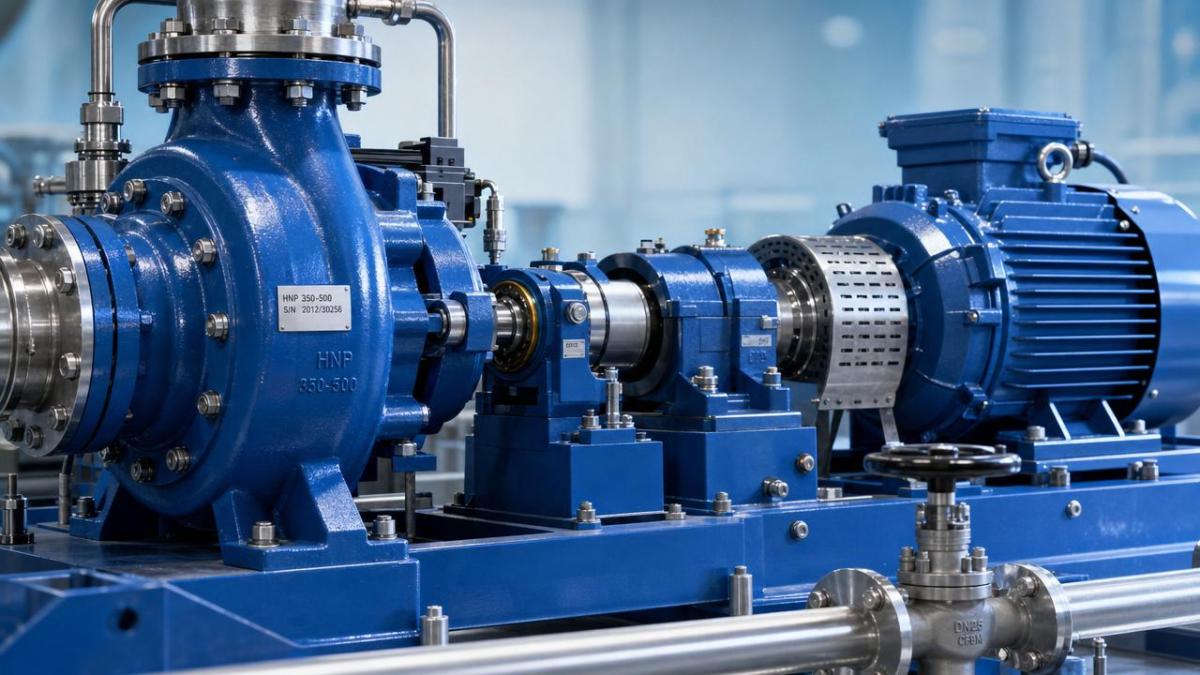
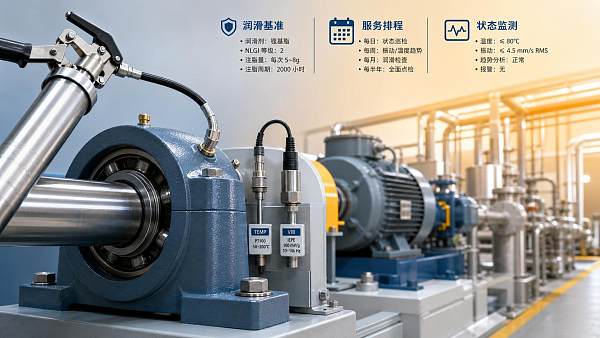
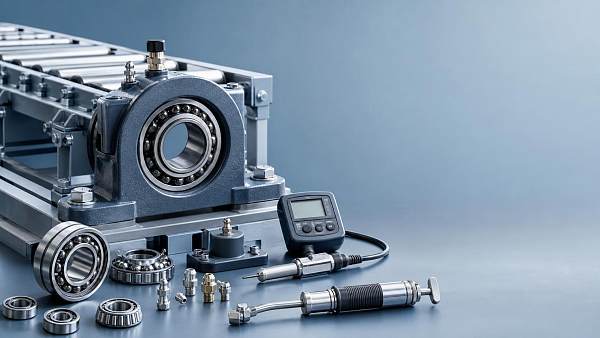
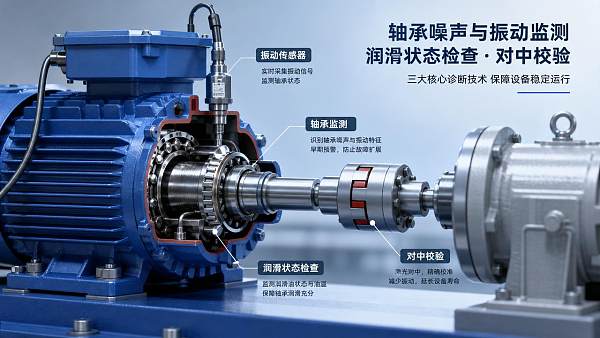
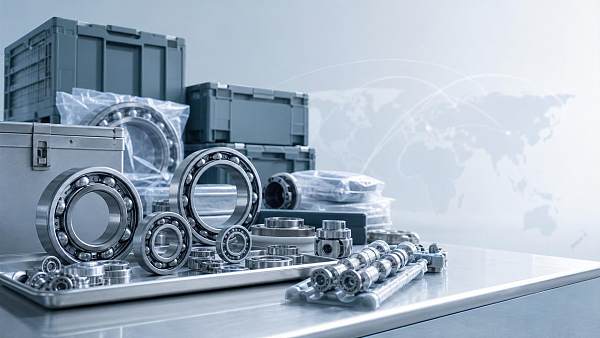
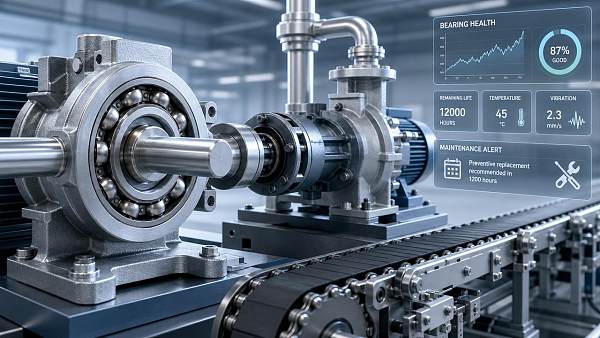
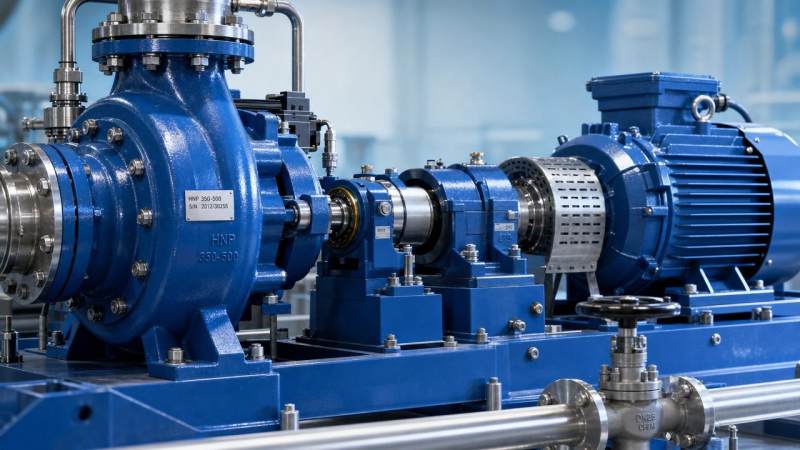
Rotating equipment presents the clearest case for innovations in friction reduction. Pumps, compressors, motors, and fan assemblies experience constant contact stress. Even small friction increases can raise bearing temperature, accelerate lubricant breakdown, and trigger vibration growth.
In this scene, the core judgment point is not only wear rate. It is the combination of speed, load, contamination exposure, and lubrication stability. A low-speed slurry pump needs different friction reduction choices than a cleanroom motor spindle.
Key signs that this scene needs immediate upgrade
- Repeated bearing replacements within one service cycle
- Unstable temperature after lubrication changes
- Energy use rising without output improvement
- Seal damage linked to shaft surface wear
- Fine particle contamination in grease or oil samples
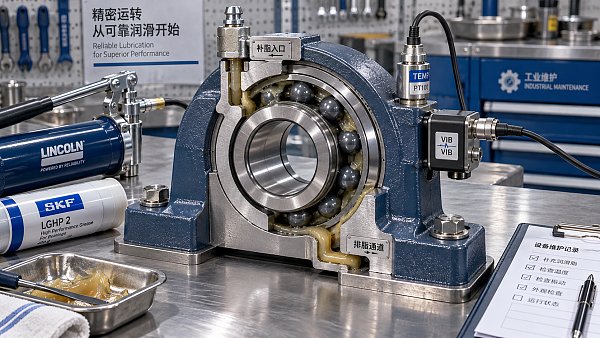
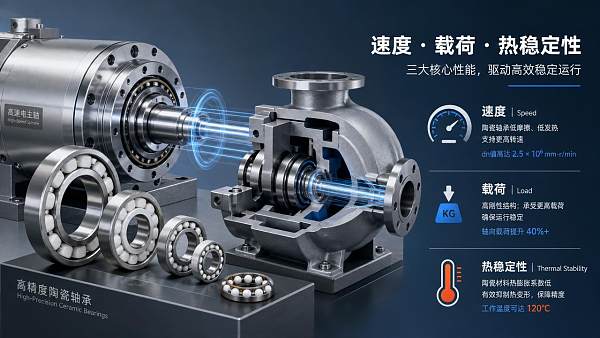
For these assets, practical innovations in friction reduction include low-friction coatings, engineered surface finishing, synthetic lubricants, ceramic rolling elements, and tighter contamination control. The best gains appear when these measures are combined, not isolated.
When corrosive or chemically sensitive systems need friction control
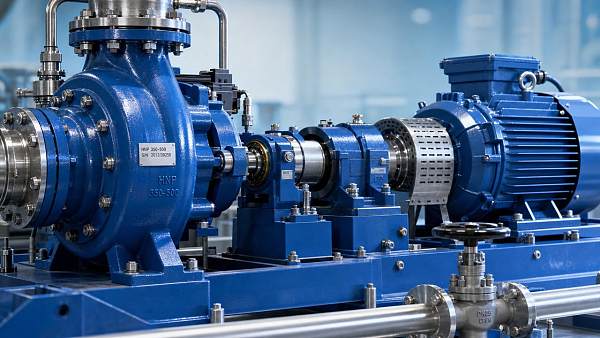
Chemical pumps, specialty valves, and aggressive fluid handling systems create a different scene. Here, friction reduction cannot be judged by mechanical performance alone. Material compatibility, leakage risk, and cleanliness requirements become equally important.
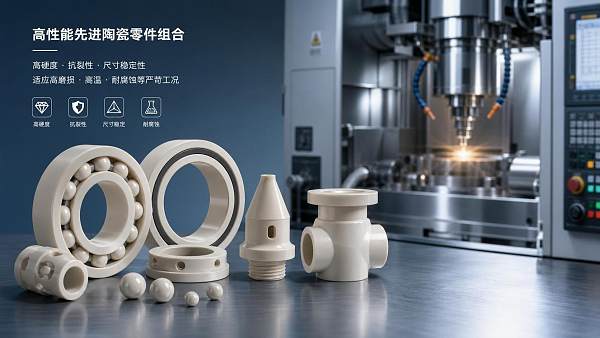
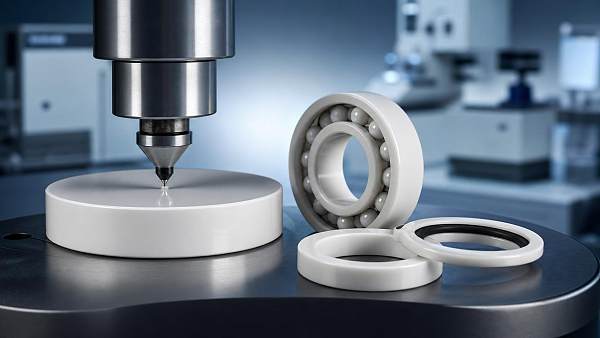
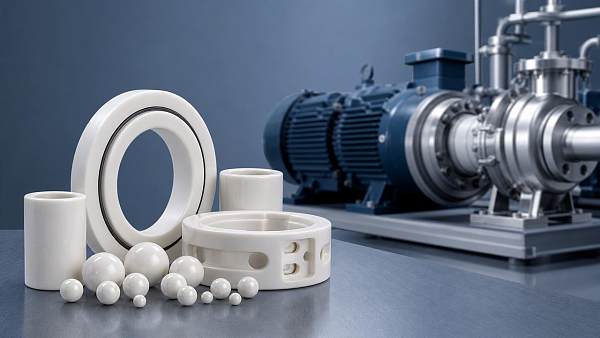
A conventional lubricant may lower friction but fail under chemical attack. A hard coating may resist wear but create galvanic or surface compatibility issues. Innovations in friction reduction for this scene often rely on fluoropolymer interfaces, corrosion-resistant alloys, ceramics, and dry-running capable materials.
Core judgment points in chemical service scenes
First, identify whether the dominant failure mode is adhesive wear, corrosion-assisted wear, or seal-face instability. Second, determine if friction reduction must occur with full lubrication, boundary lubrication, or near-dry operation. Third, confirm regulatory and cleanliness constraints before selecting any surface technology.
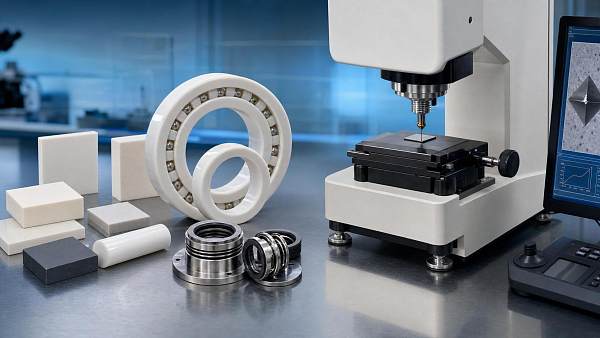
This scene benefits from verified engineering data. Surface hardness alone does not predict uptime. Friction coefficient under real media exposure, temperature tolerance, and long-cycle dimensional stability matter more.
When precision motion systems demand both low friction and tight accuracy
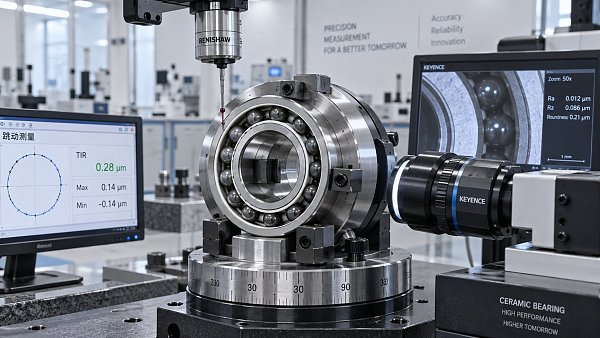
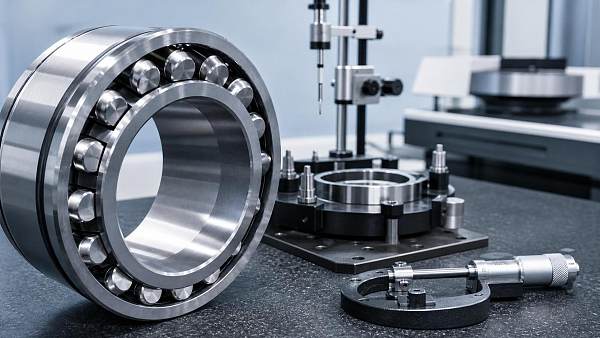
Precision stages, linear guides, ball screws, and high-accuracy bearings face a stricter requirement. They need innovations in friction reduction without sacrificing positional repeatability. In these systems, friction variation can be more harmful than friction magnitude.
Stick-slip, micro-vibration, and thermal drift often appear before visible wear. That makes friction reduction a metrology issue as much as a maintenance issue. Surface texture consistency, preload control, and lubricant film behavior under micro-movement are critical.
What usually works in precision scenes
- Low-outgassing lubricants for clean environments
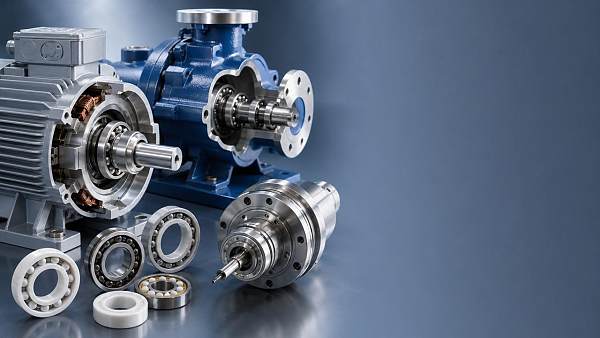
- Ceramic or hybrid bearing configurations
- Optimized surface roughness for stable film formation
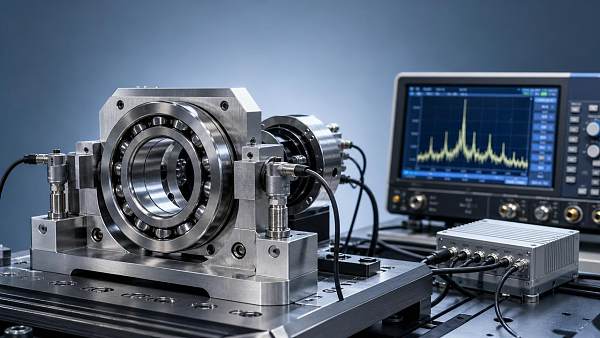
- Condition monitoring linked to thermal and vibration data
- Digital twin models for friction trend prediction
In this scene, innovations in friction reduction support uptime by reducing recalibration frequency. They also help prevent tiny mechanical deviations from becoming process-quality losses.
When variable-load industrial lines need friction strategies that adapt
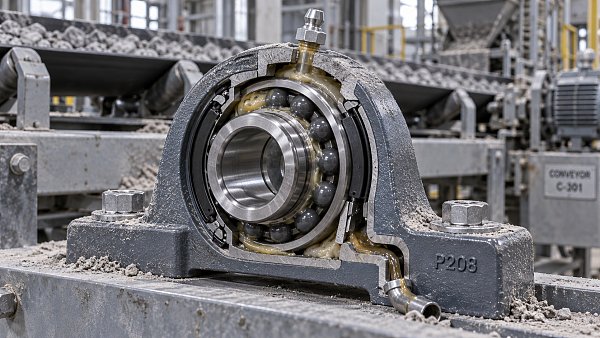
Conveyors, packaging systems, automated handling cells, and mixed-duty production lines operate under shifting loads. Here, friction problems are intermittent. That makes them harder to diagnose and easier to underestimate.
A component may perform well during steady operation yet fail during startup, stop cycles, shock loading, or product changeovers. Innovations in friction reduction for these environments often include adaptive lubrication intervals, wear-resistant polymer interfaces, and sensor-based maintenance triggers.
The key judgment point is event-based stress. If failures cluster after restart or during high-mix production, the solution should target transient friction behavior rather than average operating friction.
How scene-based needs differ across industrial environments
How to match innovations in friction reduction to the right scene
A scene-based selection process reduces costly trial and error. The most useful method is to align operating evidence with material and lubrication choices before replacing components.
- Define the dominant failure signature using temperature, vibration, and wear debris.
- Separate steady-state friction from startup or transient friction behavior.
- Check compatibility across media, temperature, load, and cleanliness requirements.
- Prioritize proven innovations in friction reduction with test data under similar duty cycles.
- Validate with a limited pilot on critical assets before wider rollout.
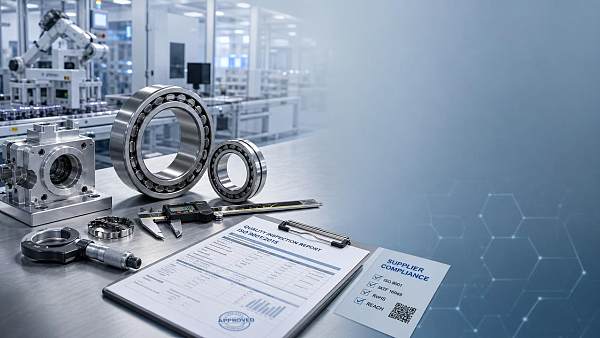
This approach is especially useful where multiple standards apply. ISO, ASME, SEMI, and other frameworks help verify whether a friction reduction upgrade supports reliability, safety, and maintenance consistency.
Common misjudgments that weaken friction reduction results
One frequent mistake is choosing the lowest friction coefficient from a datasheet without reviewing the full operating scene. Friction behavior changes with pressure, speed, contamination, and lubricant starvation. Lab values do not guarantee field uptime.
Another misjudgment is treating lubrication as the only answer. Many failures stem from surface finish mismatch, misalignment, seal ingress, or thermal distortion. Innovations in friction reduction work best when system geometry and maintenance practice are reviewed together.
A third issue is ignoring digital evidence. Friction-related failure often leaves early signals in current draw, energy trend, vibration spectrum, and process drift. Without this data, upgrades may target the wrong mechanism.
What to do next for measurable uptime improvement
Start with the assets that combine high downtime cost and recurring wear symptoms. Build a short list of friction-critical scenes. Then compare current materials, lubrication methods, contamination controls, and operating profiles.
Use verifiable benchmarking to evaluate innovations in friction reduction against real service conditions. Focus on lifecycle value, not just part price. The most effective upgrade is the one that stabilizes operation, extends maintenance windows, and reduces unplanned intervention.
For organizations managing advanced infrastructure and high-precision assets, a multidisciplinary review can reveal which friction reduction path fits each scene. That is where engineering data, standards alignment, and cross-sector intelligence create a practical advantage.
Recommended News
 Oct 18, 2026Which Quality Checks Matter Most for Precision Ceramic Bearings?What quality checks matter most for precision-manufactured parts? Discover essential ceramic bearing inspections, from defect screening to preload testing, to reduce risk and buy confidently.
 Oct 19, 2026How dust exposure changes hybrid bearing lubrication intervalsOptimize your bearing lubrication interval for dust-exposed hybrid bearings. Learn when to grease more often, fix ingress paths and use condition checks to reduce costly downtime.
 Oct 18, 2026How to calculate relubrication intervals for hybrid ceramic bearingsMaster relubrication interval calculation for hybrid ceramic bearings. Learn to adjust for speed, temperature, and contamination to reduce downtime and avoid overgreasing.
![]() Oct 18, 2026Do Robotics Applications Need Higher-Precision Bearing Grades?Is a higher precision bearing grade necessary for robotics? Explore how runout, stiffness, preload, loads, and operating conditions shape robot accuracy, reliability, and cost.
Oct 18, 2026Do Robotics Applications Need Higher-Precision Bearing Grades?Is a higher precision bearing grade necessary for robotics? Explore how runout, stiffness, preload, loads, and operating conditions shape robot accuracy, reliability, and cost.![]() Oct 17, 2026How Often Should Ceramic Bearings Be Inspected?How often should ceramic bearings be inspected? Learn condition-based intervals, warning signs, and maintenance tips to improve reliability and prevent costly downtime.
Oct 17, 2026How Often Should Ceramic Bearings Be Inspected?How often should ceramic bearings be inspected? Learn condition-based intervals, warning signs, and maintenance tips to improve reliability and prevent costly downtime. Sep 01, 2026How to use bearing lubrication interval benchmarks for service schedulingBearing lubrication interval benchmarks help maintenance teams build smarter service schedules, reduce failures, prevent overgreasing, and improve asset reliability.
 Jul 27, 2026Bearing Lubrication Interval by ISO: How to Set Safe Relubrication CyclesBearing lubrication interval ISO guide: learn how to set safe relubrication cycles using speed, temperature, contamination, and grease quantity to reduce downtime and improve bearing reliability.
 Jul 18, 2026Advanced Materials Ceramics: Key Performance Factors for High-Wear ApplicationsAdvanced Materials ceramics for high-wear applications: explore key factors like toughness, thermal stability, surface quality, and lifecycle value to choose reliable industrial components.
 Jul 13, 2026Ceramic Hardness Scale Explained for Material SelectionCeramic hardness scale explained for smarter material selection. Compare Mohs, Vickers, and Knoop methods to improve wear resistance, reliability, and cost-fit decisions.
 Jun 27, 2026Cross Roller Bearing Inner Ring Tolerance BasicsCross roller bearing inner ring tolerance basics explained: learn how fit, runout, roundness, and surface quality affect precision, reliability, and inspection decisions.
 Jun 23, 2026How to Compare Bearing Suppliers on Quality, Lead Time, and CostBearing suppliers compared the smart way: learn how to evaluate quality consistency, lead time risk, and total cost to choose reliable partners and avoid costly sourcing mistakes.
: Common Causes and Fixes") Jun 10, 2026Bearing Noise and Vibration (NVH): Common Causes and FixesBearing noise and vibration (NVH) explained: discover common causes, warning signs, and proven fixes to prevent repeat failures, cut downtime, and improve equipment reliability.
Jun 10, 2026Bearing Noise and Vibration (NVH): Common Causes and FixesBearing noise and vibration (NVH) explained: discover common causes, warning signs, and proven fixes to prevent repeat failures, cut downtime, and improve equipment reliability. Jun 03, 2026How to Read Technical Ceramics Hardness DataTechnical ceramics hardness data helps you compare wear resistance, test methods, and supplier claims—learn how to read values with confidence before material selection.
 May 24, 2026Aerospace Bearing Market Insights: 2026 Cost and Supply RisksAerospace bearing market insights for 2026: uncover cost drivers, lead-time risks, and supplier qualification challenges to make smarter sourcing decisions and protect delivery stability.
 May 23, 2026Global Bearing Supply Chain Alerts: 2026 Risk SignalsGlobal bearing supply chain alerts reveal the top 2026 risk signals affecting lead times, quality, compliance, and sourcing. Learn how buyers can spot exposure early and build a smarter response.
 May 23, 2026Innovations in Friction Reduction That Improve UptimeInnovations in friction reduction help maintenance teams cut wear, extend service intervals, and improve uptime across pumps, bearings, valves, and precision systems.
 May 23, 2026New ISO Standards for Bearings: What Changes in 2026New ISO standards for bearings in 2026 will reshape inspection, supplier audits, and compliance. Learn the key changes and how to prepare early to reduce risk.
 May 22, 2026Advancements in Ceramic Materials for High-Speed Wear ControlAdvancements in ceramic materials are reshaping high-speed wear control with lower friction, cleaner operation, and longer uptime. Discover where ceramics deliver measurable lifecycle gains.
 May 21, 2026Bearing Fatigue Life L10 Data and Replacement TimingBearing fatigue life (L10) data helps maintenance teams set smarter replacement timing using real load, lubrication, and condition signals to reduce downtime, improve reliability, and optimize spares.
 May 21, 2026Bearing Noise and Vibration NVH: Pass or Fail?Bearing noise and vibration (NVH): pass or fail? Learn the key criteria, test logic, and practical benchmarks quality teams use to reduce risk, improve reliability, and make confident acceptance decisions.
 May 20, 2026Ceramic Bearing Speed and Load Data: What Matters MostCeramic bearing speed and load data explained for real operating conditions—learn how speed, load, lubrication, and thermal limits affect reliability, precision, and service life.
 May 19, 2026Miniature Bearing Factory Checks for Low-Particle RunsMiniature bearing factory checks now go beyond precision alone. Discover how low-particle validation, traceability, and clean process control reduce risk and strengthen supplier confidence.
 May 18, 2026Wholesale Ceramic Bearings: When Higher Unit Cost Lowers Total MaintenanceWholesale ceramic bearings can cost more upfront, but they often reduce total maintenance through longer life, less downtime, and lower lubrication and failure-related costs.
 May 03, 2026Ceramic Bearings Solutions: When the Higher Upfront Cost Pays OffCeramic Bearings solutions deliver ROI when downtime, corrosion, high speed, or electrical damage make steel bearings costly. Learn when the premium pays off.